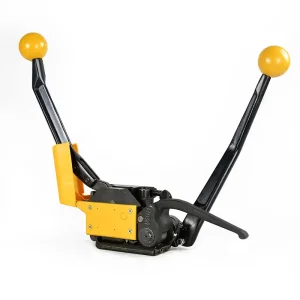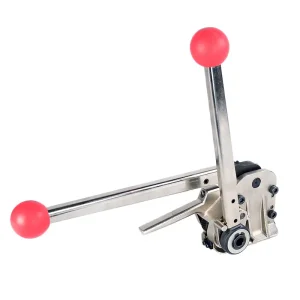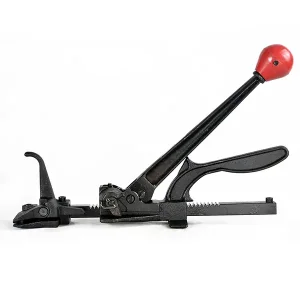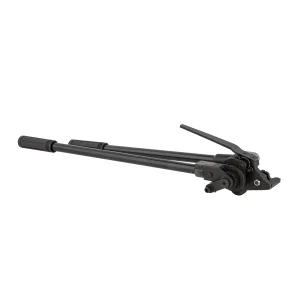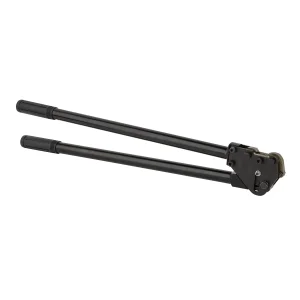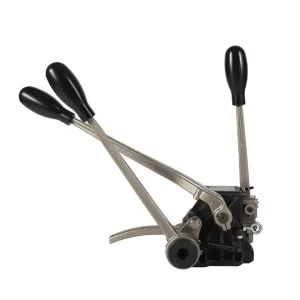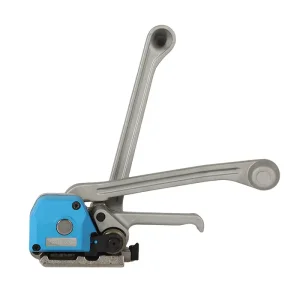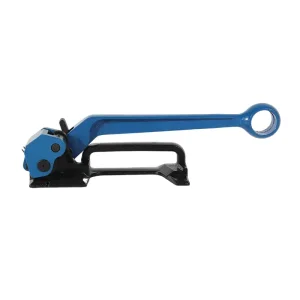
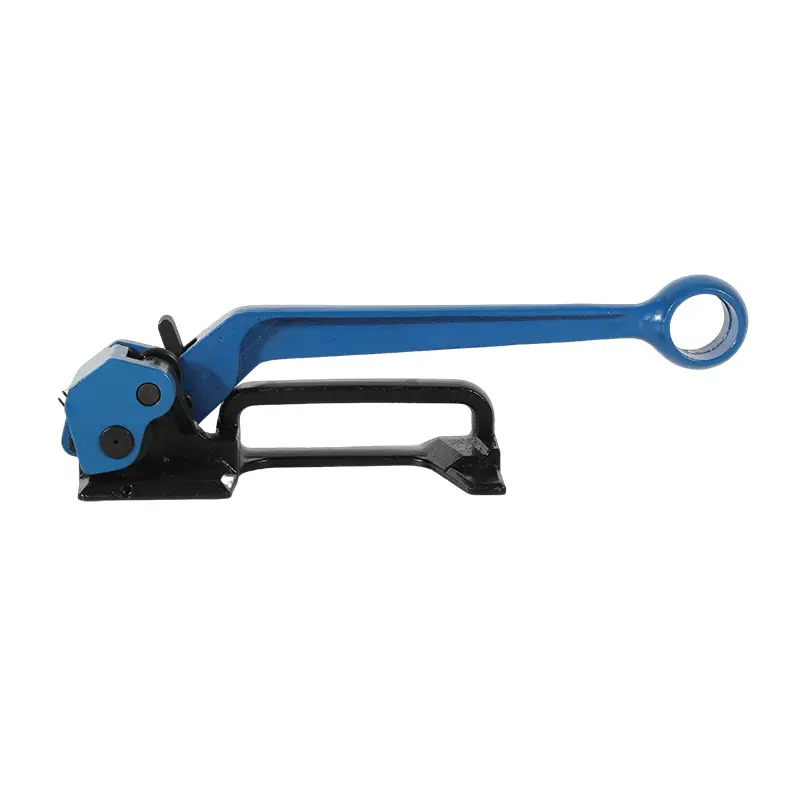
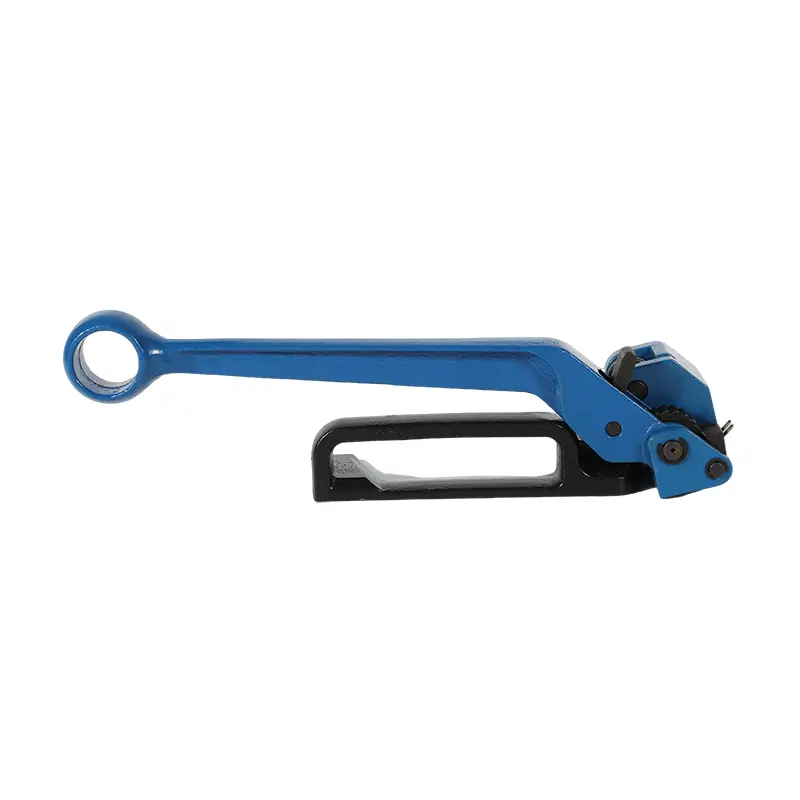
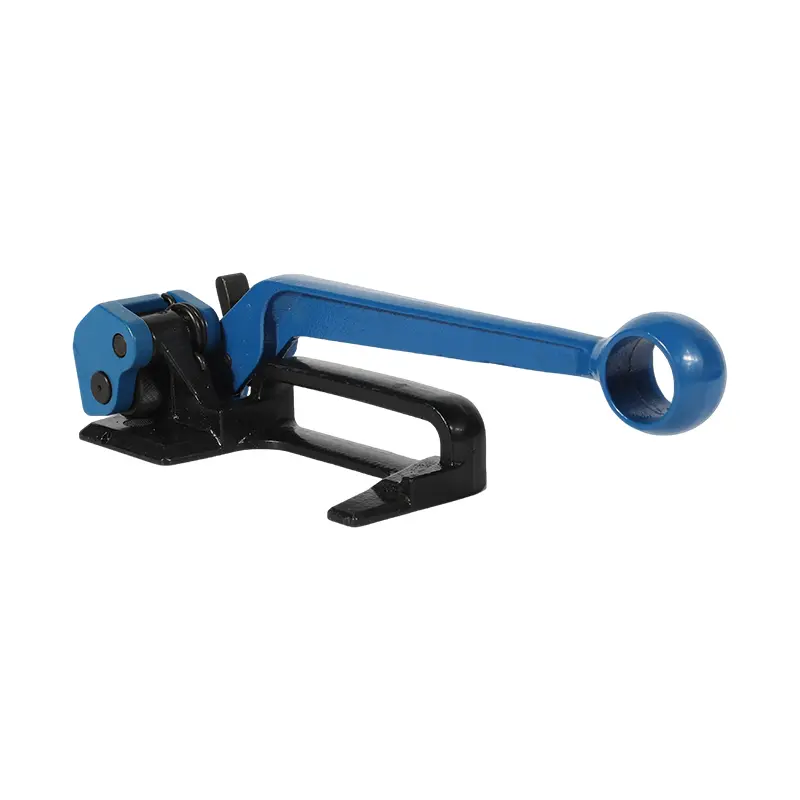
China Manual Steel Strapping Tensioner SGL-19 Manufacturer, Supplier

Manual steel strapping tensioner is a hand-operated tool designed to tighten steel strapping around packages, bundles, or heavy loads, creating a secure hold prior to sealing. Unlike pneumatic or hydraulic tensioners, it relies entirely on human force to generate tension, making it portable, cost-effective, and ideal for low-volume applications or locations without power sources. This tool is a critical component in strapping systems, working in conjunction with a separate sealer (or a combined tensioner-sealer) to complete the strapping

Product Description

Product Overview

Manual steel strapping tensioner is a practical, hand-operated tool specifically engineered to tighten steel strapping around packages, bundles, or heavy loads, effectively creating a firm, secure hold before the strapping is sealed. Unlike automated pneumatic or hydraulic tensioners that depend on external power sources, this tool relies entirely on human force to generate the necessary tension.

This manual design gives it distinct advantages: it is highly portable, easy to carry and use across different work areas; it is cost-effective, as it avoids the high purchase and maintenance costs of power-driven alternatives; and it is exceptionally suitable for low-volume strapping tasks or locations without access to electricity, compressed air, or hydraulic systems—such as remote construction sites, small warehouses, or temporary packaging stations.

As a critical component in strapping systems, the manual steel strapping tensioner does not work alone. It operates in conjunction with a separate sealer to fully complete the strapping process, ensuring loads stay stable during storage or transportation. Overall, this tool is versatile and reliable, excelling at applying controlled tension to steel strapping in low-volume or off-grid scenarios.

Product Parameters

ModelManual steel strapping tensioner SGL-19
Applicable packing strapSteel strap
Strap width13-19mm
Strap thickness0.5-0.8mm
Weight2.878kg

Product Features

Key Features and Advantages

  • Portability: Lightweight (usually 2–4 kg) and compact, with no cords or hoses, making it easy to carry and use in tight spaces, remote locations, or on job sites.
  • Cost-Effective: Lower upfront and maintenance costs compared to powered tensioners, as it has fewer moving parts and requires no external power sources.
  • Controlled Tension: Manual operation allows operators to feel and adjust tension based on the load’s fragility or the strap’s strength, reducing the risk of over-tightening.
  • Durability: Constructed from high-strength steel or alloy, the tool withstands heavy use, impacts, and exposure to harsh environments.
  • Compatibility: Works with standard steel strapping (widths typically 13mm to 19mm) and pairs with various sealers.

Typical Applications

  • Warehousing and Logistics: Securing palletized goods, metal coils, or heavy boxes for shipping.
  • Construction: Tightening straps around lumber, pipes, or concrete blocks to prevent shifting during transport.
  • Manufacturing: Bundling raw materials or finished products for storage.
  • Field Operations: Strapping equipment or supplies in remote areas where power is unavailable.

Frequently Asked Questions

Q: Is this tool difficult to operate manually?
A: No, it is designed for simplicity. The leverage mechanism makes it easy to apply necessary tension without requiring significant physical strain.
Q: Does this tensioner require a separate sealer?
A: Yes, this is a dedicated tensioning tool. You will need a separate steel strapping sealer to crimp the seal after the tension is applied.
Q: Can I use this tool for plastic or PET straps?
A: This model is specifically engineered for steel strapping. Using it with plastic or PET straps is not recommended as the mechanism and tension requirements differ significantly.
Q: How do I maintain the tool for longevity?
A: Keep the moving parts clean and lubricated periodically. Store the tool in a dry environment to prevent rust and ensure the gripping teeth are free of debris.
Q: What is the primary benefit of using manual tools over pneumatic ones?
A: The primary benefits are extreme portability (no air hoses or electricity required), lower purchase price, and zero utility operating costs.

Related Products