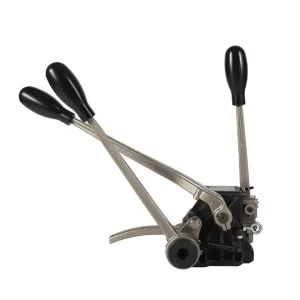
Engineered manual strapping systems, combination sealers, and tools designed for high tension requirements and heavy-duty logistics.
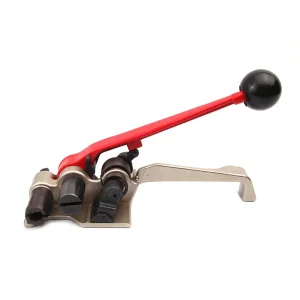
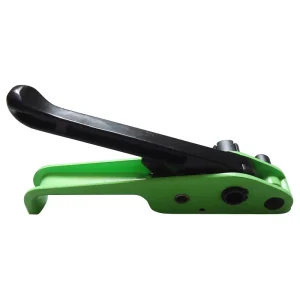
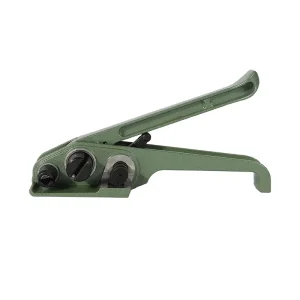
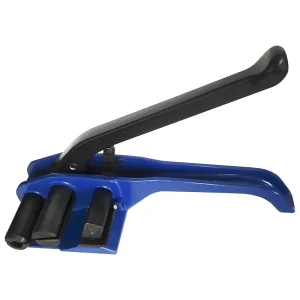
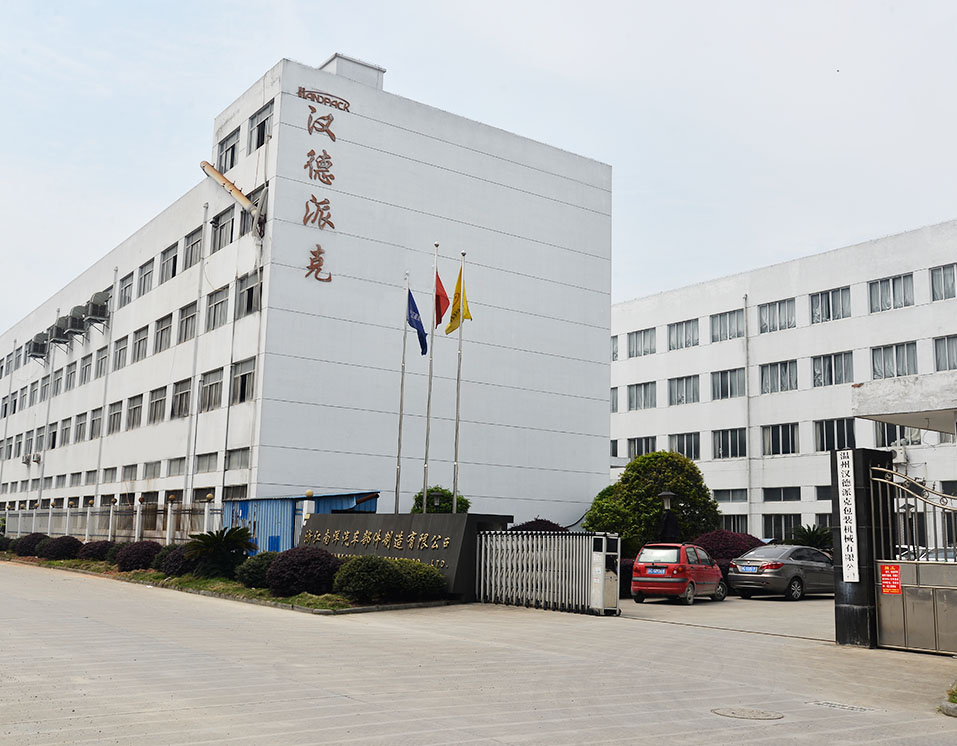
Established formally on March 14, 2008, and tracing its manufacturing lineage back through decades of industrial experience, Wenzhou Handpack Machinery Co., Ltd. stands as an elite-tier designer and OEM/ODM manufacturer of industrial handheld packaging machinery. Spanning a state-of-the-art facility of over 12,535 square meters inside the Tiancheng Industrial Park, Yueqing City, Wenzhou, China, our company boasts an optimal geographical location near Yueqing Bay, supported by seamless logistics connectivity.
Handpack specializes extensively in the research, mechanical design, structural optimization, and commercial sales of manual, pneumatic, and energy-storage electric strapping systems. Our product architecture is specifically designed to handle PET, PP, composite polyester fiber, and heavy-duty steel strapping bands. From the beginning, Handpack has focused on developing portable, high-efficiency, and ergonomic packaging solutions. Today, our products protect industrial goods in steel mills, aluminum processing lines, timber yards, chemical shipping zones, paper mills, and international shipping hubs worldwide.
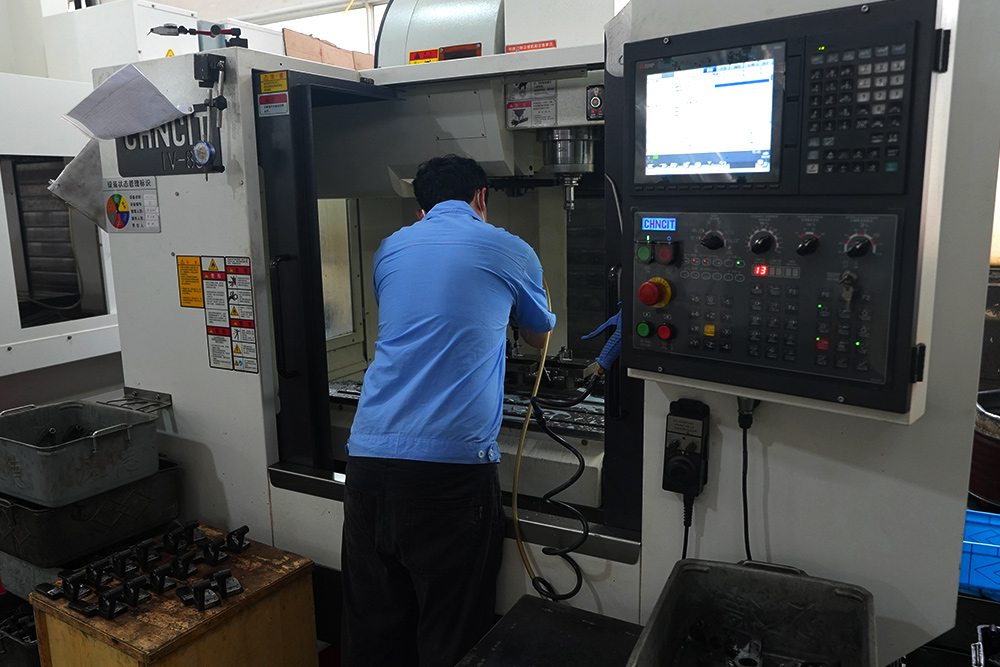
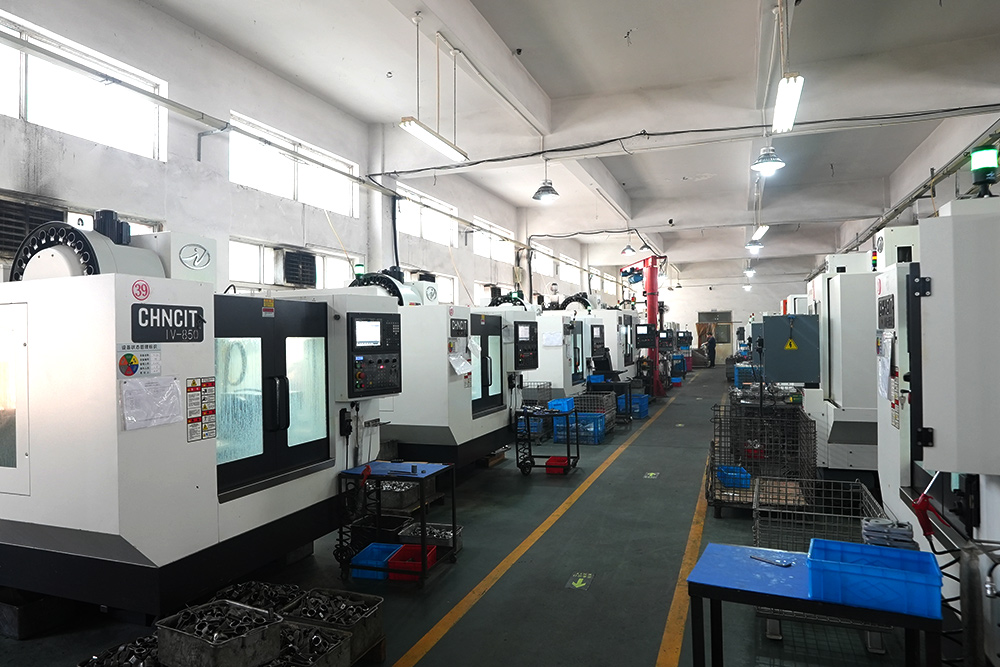
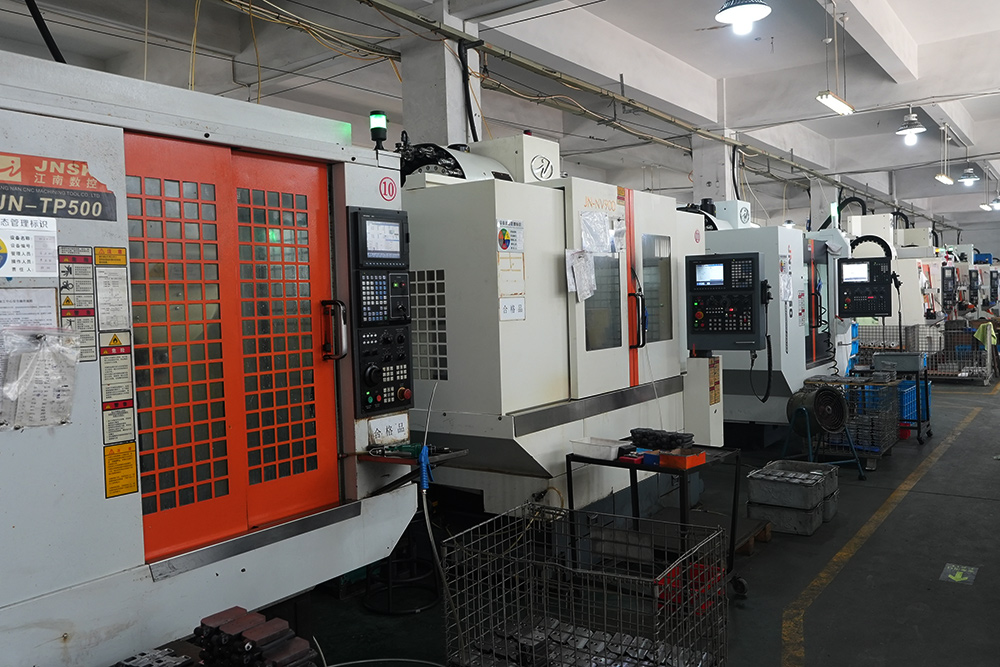
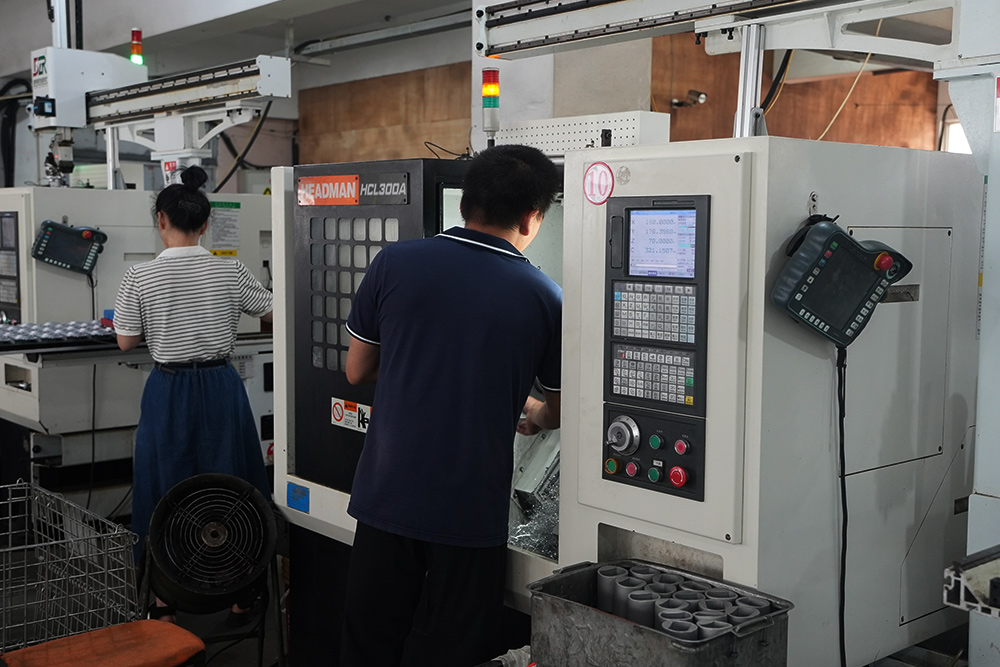
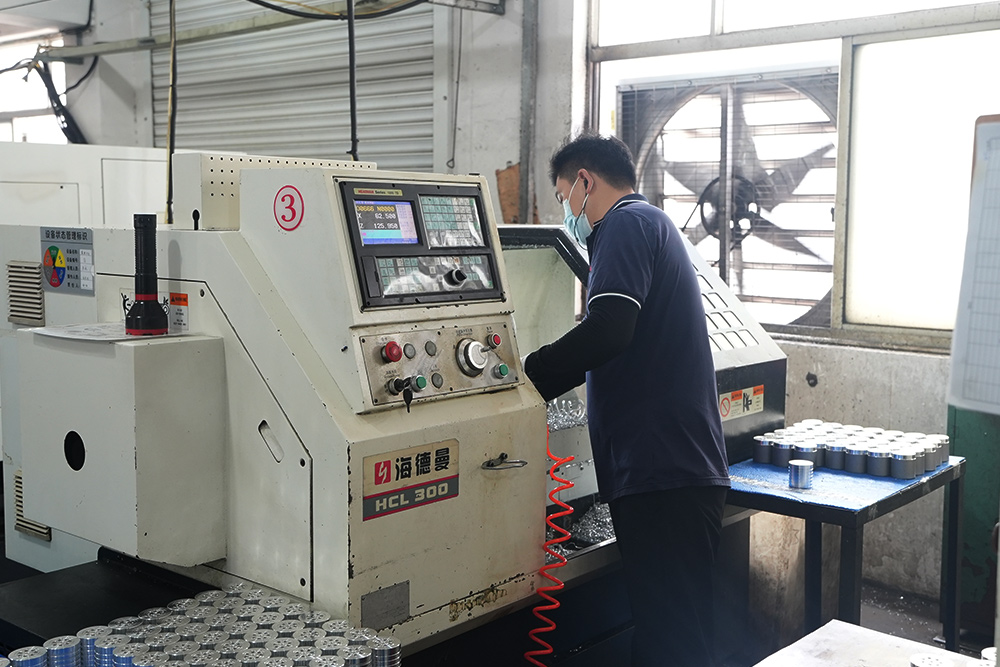
By leveraging advanced manufacturing technologies, including 100% computerized numerical control (CNC) machining centers, we control the production cycle from raw metal forging to final assembly. This ensures high structural stability and tool life, giving procurement teams worldwide confidence in Handpack as a reliable supply chain partner.
Understanding the engineering principles behind reliable load containment and high-tension cargo strapping.
In modern logistics, securing cargo for transit requires careful calculation of physical forces, environmental shifts, and surface friction. At the center of load containment systems is the manual cord strap tensioner, a mechanical tool designed to turn human force into high tension. Unlike steel strapping, which is rigid and can snap under sudden impacts, modern composite, hot-melt, and woven cord polyester strapping provide flexible, shock-absorbing holding power. However, this elasticity requires a tensioner capable of pulling long lengths of strap without slipping or causing fiber degradation.
A premium manual tensioner, like Handpack’s SD and SD25 series, operates on a high-ratio, heavy-duty ratchet mechanism. This design uses a serrated feed wheel to grip the strap firmly and pull it to the required tension. Our engineering focuses on minimizing friction losses within the tool's moving parts. By utilizing CNC-machined hardened steel feed wheels and custom-treated wear parts, our tools prevent strap slippage, ensuring high tension is maintained across various widths (typically 13mm up to 50mm).
A key factor in tensioner design is the prevention of fiber shear. In woven and composite polyester cord strapping, individual high-tenacity polyester yarns are bound together. Standard, low-quality tensioners can crush these fibers during the tensioning process, reducing the strap's break strength by up to 30%. Handpack tools are engineered with specialized cutting and gripping clearances that distribute pressure evenly, maintaining the original tensile strength of the cord strap.
Our cultural core drives product quality, collaborative innovation, and long-term customer value.
Helping enterprises improve their operations with reliable packaging and securing systems.
Building trust through reliable product engineering and transparent business partnerships.
Pursuing, creating, and delivering long-term value for our customers, team, and industry.
Fostering innovation, integrity, and efficiency to stay competitive in a changing market.
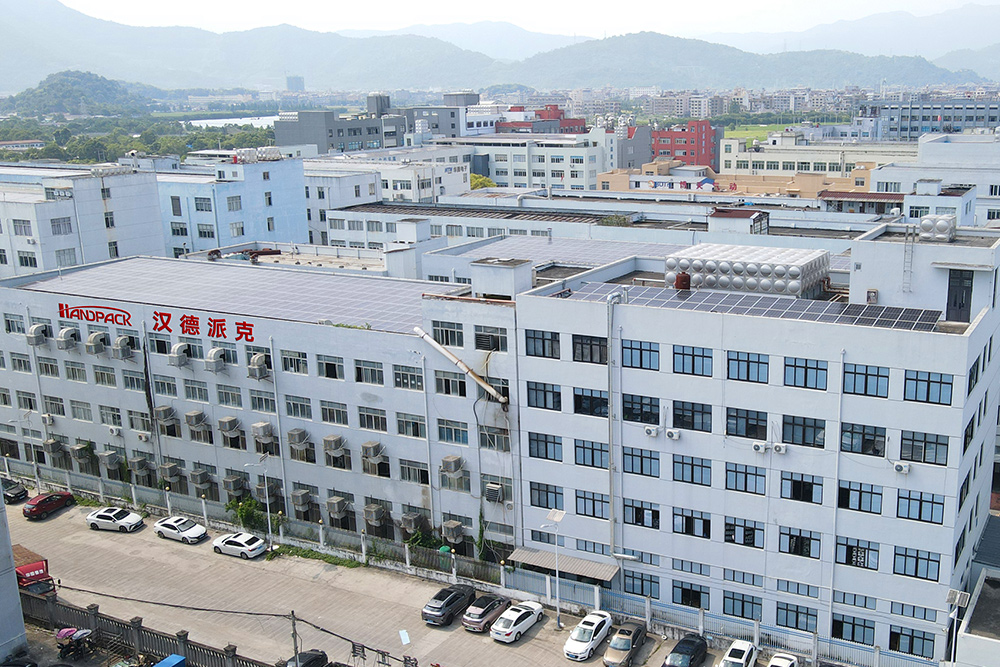
The global leadership of Chinese factories in handheld packaging tools is rooted in structural supply chain advantages. Wenzhou’s industrial cluster provides direct access to high-grade steel alloys, heat-treatment facilities, and specialized logistics networks. This proximity allows Handpack to manufacture components with high efficiency and lower lead times compared to Western counterparts.
Our factory relies on advanced process technology, complete quality control systems, and testing facilities. We utilize computerized numerical control (CNC) equipment throughout our production process. Standard manual casted parts often contain internal air bubbles that can fail under high stress. In contrast, Handpack's CNC milling and turning centers machine all critical components from solid steel bar stock.
This precision ensures that gear ratios, feed wheel alignments, and cutting mechanisms are consistent across large production batches. This consistency translates directly to the end-user, providing predictable tool performance in demanding industrial environments.
A visual insight into our specialized machinery setup, assembly processes, and dedicated testing labs.
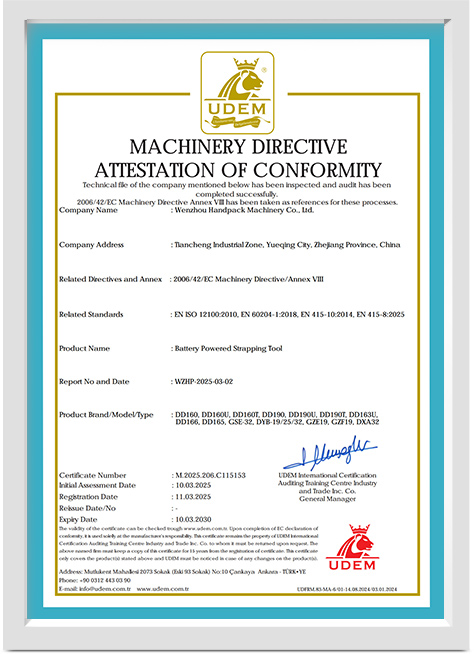
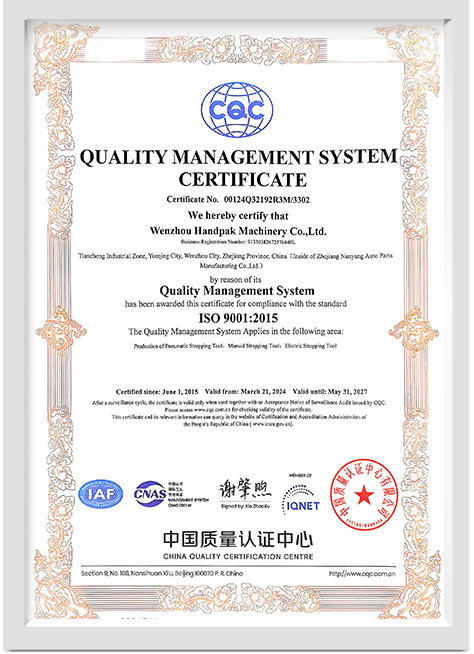
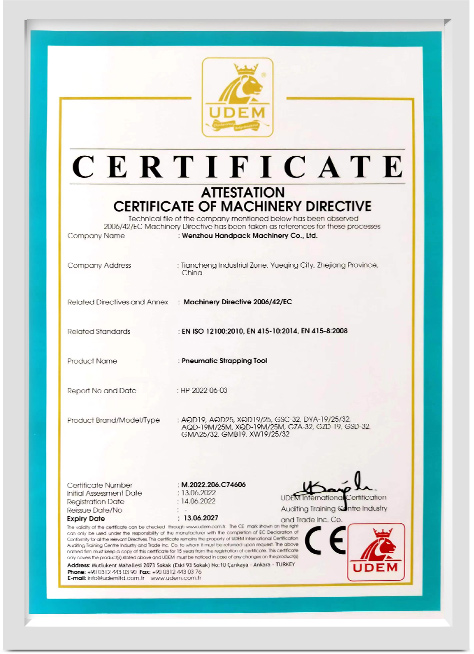
For global industrial operations, safety standards and regulatory compliance are essential for cargo securing processes. High-tension bundling tools operate under significant mechanical stress, meaning component failure can present safety risks for operators. Recognizing this, Handpack maintains strict quality management and certification structures.
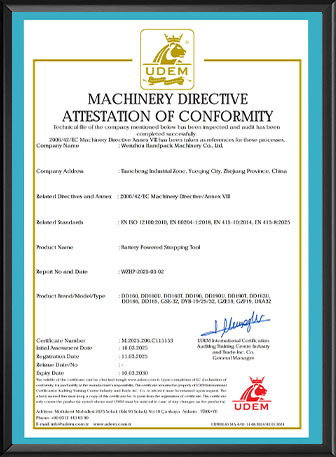
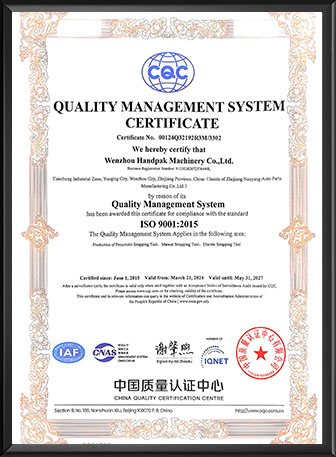
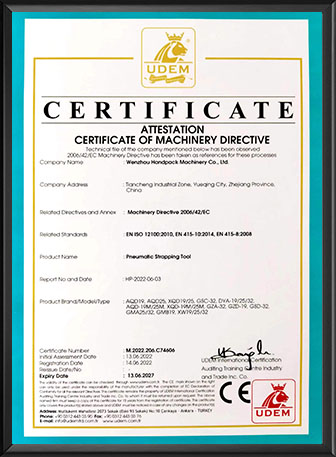
Our manufacturing facility operates under the ISO 9001:2015 International Quality Management System. Every tool is tracked from component casting to its final calibrated tension test. Additionally, Handpack tools carry the European CE Certification, certifying that our products meet necessary safety, health, and environmental protection requirements for import and distribution in the European Economic Area (EEA).
Our compliance processes also include third-party structural testing of our tensioners under stress limits that exceed standard operation. We design our tools to operate safely under continuous peak tension, helping procurement managers meet strict workplace safety standards (such as OSHA in the United States and EU Health and Safety directives in Europe).
How Handpack tensioning systems adapt to the distinct mechanical requirements of diverse industrial verticals.
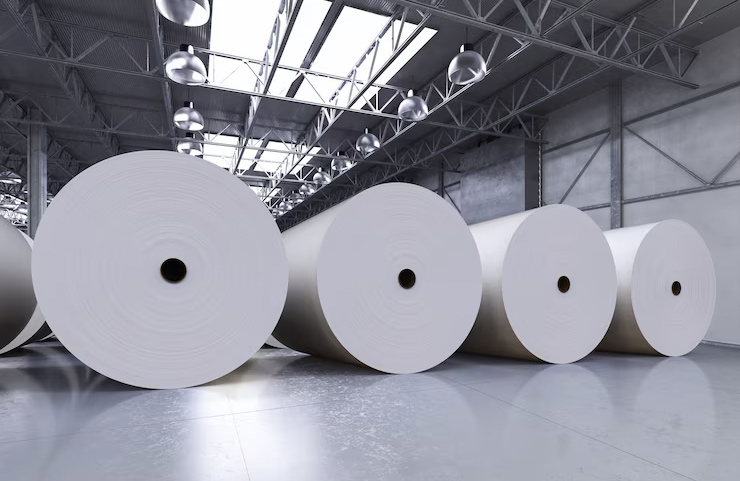
The paper manufacturing industry requires securing mechanisms that prevent shifting without crushing delicate edges. Handpack's manual fiber cord tensioners allow operators to adjust tension limits precisely, securing finished paper rolls and pulp bundles without damaging the material.
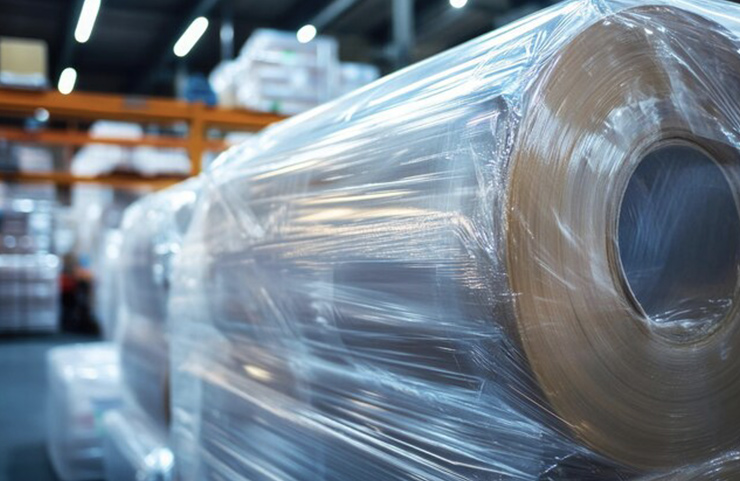
Hot extruded aluminum profiles and heavy coiled sheets present challenges due to thermal contraction and sharp edges. Our cord strapping tensioners help secure composite strapping that expands and contracts with ambient temperature shifts, preventing loosening during transport.
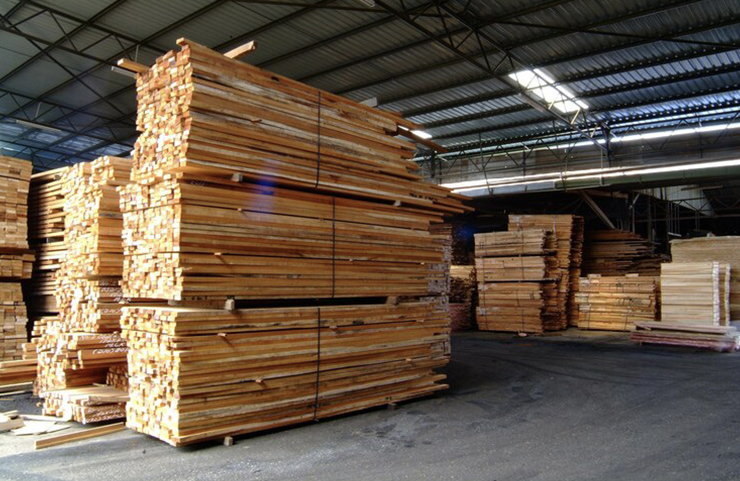
Raw logs and processed lumber shrink as moisture levels change during transit. The elastic memory of polyester cord strap, tensioned with Handpack tools, helps maintain a tight grip on packages even as the timber volume changes.
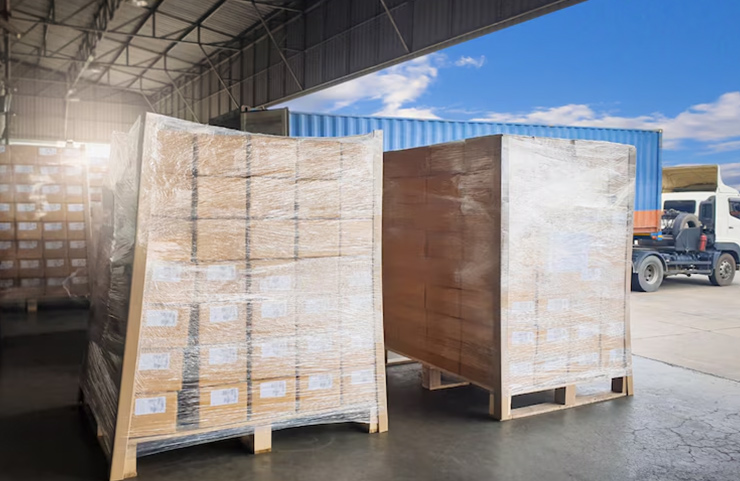
For large machinery housed in wooden export crates, manual tensioners allow operators to secure dynamic tie-downs in confined spaces where bulky automatic machines cannot operate, ensuring safety during sea shipment.
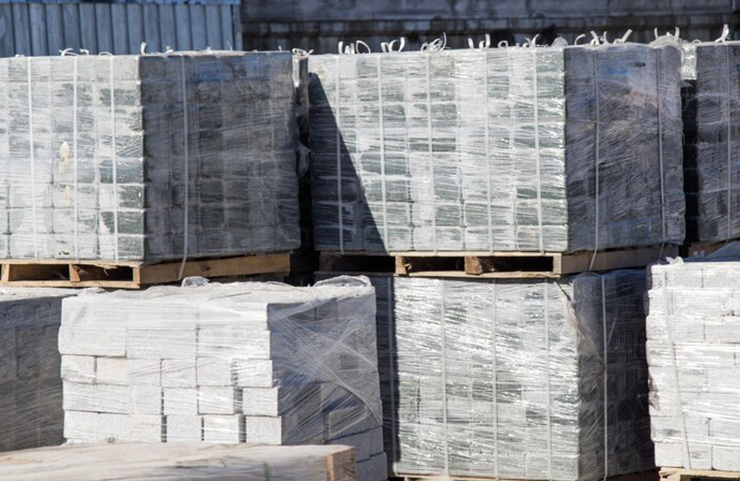
Heavy stone products can crack under high point pressure. Applying high-strength fiber cord straps with a calibrated tensioner distributes load pressure evenly, reducing fractures during handling compared to metal chains.
We maintain quality standard validations across all product lines. Every batch of tools undergoes testing, ensuring compliance with global import criteria.
A checklist guide for procurement managers selecting manual securing systems and long-term supply partners.
Procurement departments face challenges when sourcing cargo securing equipment from international markets. While initial cost is an important factor, the true metric is the Total Cost of Ownership (TCO), which includes tool lifespan, ease of maintenance, operator safety, and availability of replacement parts. Purchasing cheap, non-standard tensioning tools can lead to premature failure, higher replacement rates, and safety risks.
Key parameters to evaluate when selecting manual/cord strap tensioners include:
By partnering directly with a specialized manufacturer like Handpack, industrial distributors and major enterprises gain access to customized engineering options (such as customized tension parameters, width adaptions, or private-label branding) while benefiting from stable pricing.
Evolving technology, carbon neutrality goals, and lightweight materials shaping the next generation of strapping equipment.
The cargo securing industry is shifting to meet green supply chain initiatives. Traditional steel banding is carbon-intensive to produce and recycle, and can present safety risks during cutting. Consequently, industries are transitioning to high-performance polyester composite and woven strapping, which is lighter, easier to recycle, and safer to handle.
This transition requires corresponding advancements in tensioning tools. Modern manual tools use lightweight aerospace alloys to reduce weight while maintaining high structural strength. Pneumatic and battery-powered handheld tools are also adopting digital features, such as real-time tension sensors and digital logs. These features help operators confirm that each strap meets cargo specifications, providing digital verification of cargo stability.
Handpack is actively developing technology to support these trends. Our engineering team focuses on optimizing gear designs to maximize mechanical leverage. We are also testing new surface treatments to extend tool life in harsh maritime and chemical environments.
Technical guidance on selection, maintenance, operation, and safety standards.
Manual cord strap tensioners are designed to work with polyester composite and woven cord strapping. They feature a high-lift, wide-cut frame and a feed wheel with tooth profiles engineered to grip polymer-coated fibers without crushing them. Steel tensioners, by contrast, use flat-jawed gripping mechanisms and tighter gear ratios optimized for the rigid properties of steel bands. Using a steel tensioner on cord strapping will damage the polyester fibers, significantly reducing their tensile strength.
High tension without slipping is achieved through mechanical advantage and precise friction coefficients. Handpack tensioners use a ratchet-and-pawl design paired with an induction-hardened steel feed wheel. The spacing of the feed wheel teeth matches the thickness of the strapping, distributing the pressure evenly. Additionally, the tool’s base foot pad holds the lower strap end secure while the upper end is wound around the tensioning spindle.
ISO 9001 guarantees that every production run follows identical manufacturing steps, ensuring consistent tool performance and size tolerances. CE certification indicates compliance with European Union safety standards, which simplifies customs clearance and ensures the tools meet local safety requirements. Together, they lower quality risks for global procurement teams.
Regular maintenance includes cleaning debris and fiber dust from the feed wheel teeth using a wire brush, oiling the ratchet and pivot points with light machine oil weekly, and periodically inspecting the cutter blade for wear. Keeping the feed wheel clean prevents slippage and ensures optimal tensioning force.
Yes, many Handpack tools are designed to work across a range of strap widths. For example, our SD25 heavy-duty model can handle strap widths from 13mm up to 25mm. However, it is important to adjust the strap alignment guides to match the width of your strapping to prevent uneven winding.
Signs of wear include the strap slipping during tensioning, the cutter leaving frayed edges or failing to cut through the strap cleanly, and visible wear on the feed wheel teeth. Replacing these wear parts early protects the ratchet mechanism from overload and maintains tool performance.
Composite strapping is lighter, safer to apply and cut, and does not rust or stain products. It also features elastic memory, allowing the strap to contract and maintain tension on settling loads, whereas steel banding can loosen.
We offer full OEM customization, including custom branding, modified ratchet gear ratios for specific tension targets, and customized strap guide widths. Our team works with customers from initial CAD designs through testing to production.
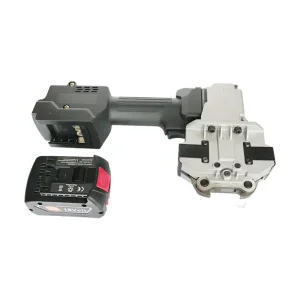
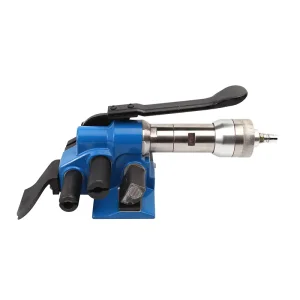
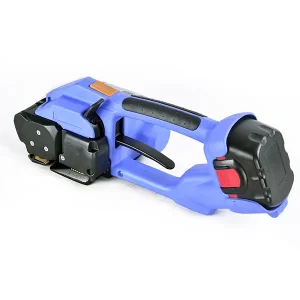
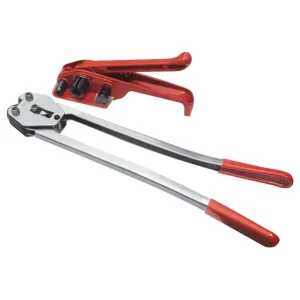
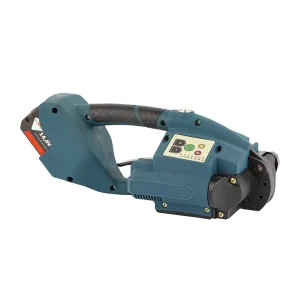
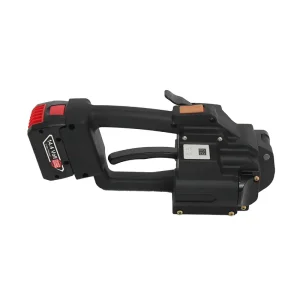
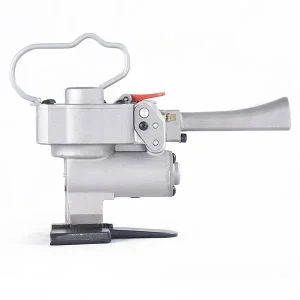
Explore our range of heavy-duty pneumatic, battery-operated, and specialized manual tools designed for diverse logistics needs.
 Handpack