In modern global trade networks, securing heavy and palletized goods efficiently is no longer just an operational step—it is a core driver of supply chain reliability, safety, and operational speed.
Serbia has increasingly positioned itself as a critical logistical and manufacturing hub for Southern and Central Europe. Fueled by foreign direct investment and major infrastructure developments in Vojvodina, Belgrade, and southern industrial corridors, local companies are modernizing their packaging steps. Heavy industries—such as the steel mills of Smederevo, construction materials companies, timber and wood processors, and emerging automotive parts factories—rely on stable, secure unitization to export goods across borders without damage.
Traditional, manually tensioned steel strapping systems are rapidly giving way to high-performance, battery-powered polyester (PET) and polypropylene (PP) strapping systems. These modern tools combine the portability of hand tools with the tension consistency of stationary pneumatic setups. As Serbian manufacturers optimize their outbound logistics to match the strict safety requirements of Central European buyers (such as the EU's cargo securing standards), sourcing reliable battery-powered strapping machinery from trusted suppliers has become a strategic priority.
Globally, the packaging sector is experiencing a paradigm shift towards high-tensile plastic strapping (PET). While steel strapping was historically preferred for metals, timber, and heavy concrete, advancements in PET strap manufacturing have closed the performance gap. Polyester offers several critical benefits:
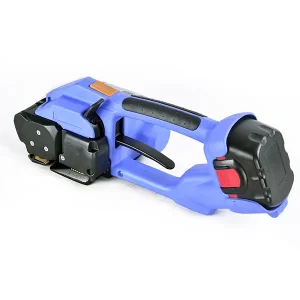
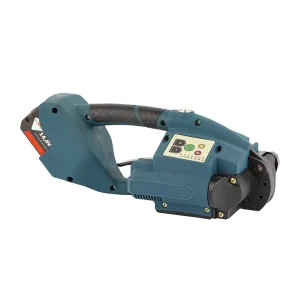
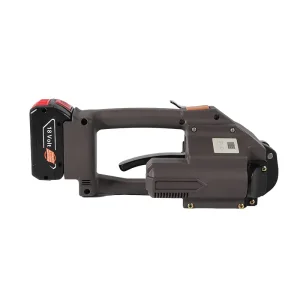
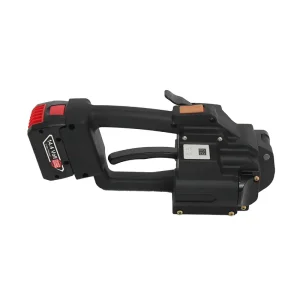
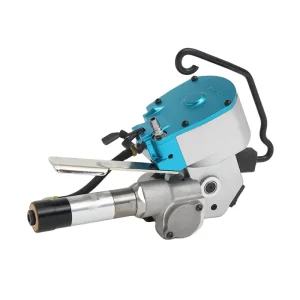
Battery-powered tools make this transition seamless by offering digital tension controls and friction weld sealing in one handheld unit. This allows operators to bundle loads anywhere on the shop floor without being tethered to bulky air hoses or dangerous overhead power lines.
For Serbian businesses and global distributors looking to balance cost and quality, partners like Wenzhou Handpack Machinery Co., Ltd. represent an exceptional supply chain option. Operating out of Tiancheng Industrial Park, Yueqing, Wenzhou, Handpack is one of China's premier developers and manufacturers of handheld packaging tools.
The Chinese manufacturing advantage lies in deep component supply chain integration and high-precision production technologies. Handpack employs computer numerical control (CNC) machining centers to produce key internal components, ensuring tight tolerances, minimal vibration, and long wear life for friction weld motors. This precision ensures that tool settings are highly repeatable, delivering consistent weld strength and tensioning power across hundreds of cycles daily. By manufacturing at scale and complying with ISO9001 and CE standards, Handpack brings high-tier tool performance to industrial markets at a highly competitive total cost of ownership.
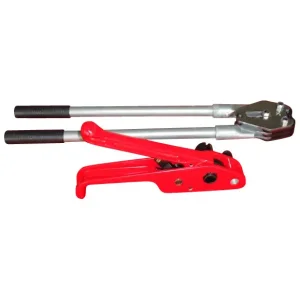
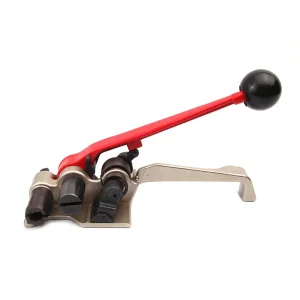
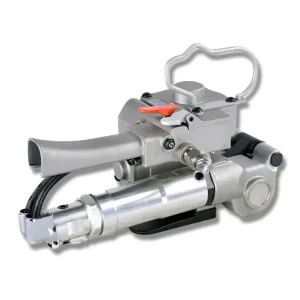
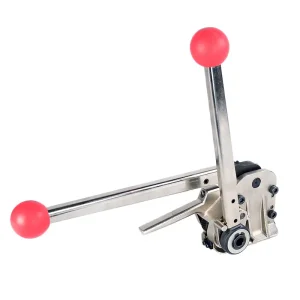
In metallurgy, structural tubing, sheets, and heavy metal coils must be bundled with extreme tension. Handpack's heavy-duty pneumatic and manual steel strapping tools, such as the GM19 or the SG191, provide the necessary clamping force to ensure safe transport. Simultaneously, for finished aluminum profiles and non-ferrous products, high-strength PET strapping tools like the DD190U offer protective, non-scratching bundling.
Serbia's dense forestry and active wood processing industry export lumber, pellets, and finished wooden boxes across the continent. Lumber piles shrink and shift as wood dries out during storage and transit. Battery-powered PET tools excel here due to the elastic memory of the strap, which maintains force and keeps bundles tightly bound, even as the load changes shape.
Paperboard and paper rolls require secure unitizing without crushing the outer layers. The tension-control micro-adjustments available on tools like the DD160 let operators set precise tension limits, securing cardboard shipments while protecting product edges.
From paving stones to structural clay bricks, securing heavy, abrasive building materials is essential. Battery-powered tools allow packers to secure palletized stones outdoors in yards where power or air line drops are impractical. The high friction-weld seal efficiency of Handpack systems ensures the strap joint will not fail during rough, off-road transport to construction sites.
The upcoming generation of strapping tools is focusing heavily on smart technology integration:
Year Established
Professional Team
Factory Area
Patent Certifications
Efficient strapping keeps bulk paper rolls and corrugated sheets compressed and damage-free during transport.
Maintains strong dynamic tension on lumber bundles to compensate for wood drying and settling.
Tough friction weld seals provide outstanding joint resistance to withstand high vibration and uneven ground loads.
The tool uses a high-speed vibration motor to create heat via friction between the overlapping layers of the PP or PET strap. Once the melting point is reached, the vibration stops, and the strap is briefly held under pressure to solidify, creating a highly efficient joint without the need for manual metal buckles.
Polyester (PET) is a high-tensile material designed to replace steel. It has great elastic recovery and holds high tension over time. Polypropylene (PP) is lighter and has more elasticity but less holding force, making it better for lighter, non-rigid packages or boxes.
Depending on strap type, width, and tension settings, Handpack's DD160 series can achieve between 300 to 500 strapping cycles on a single charge, powered by efficient lithium-ion battery packs.
Yes. Handpack tools are engineered to work reliably in temperatures ranging from -10°C to 45°C. For damp or outdoor work sites, we recommend keeping battery contacts clean and storing the tools in dry areas when not in use.
Get in touch with our experts to find the right tool configurations, request customized pricing, or discuss distribution partnerships in Serbia and greater Europe.
Send Inquiry Now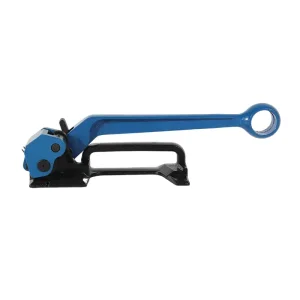
 Handpack