China Pallet Strapping Tensioner Manufacturers & Suppliers

Industrial Load Stability Solutions & High-Tension Poly/Steel Tensioning Technology for Global Distribution Systems

2008
Year Established
12,535㎡
Factory Floor Area
100+
Strapping Experts
60+
Global Certifications
Global Industry White Paper

Optimizing Global Load Securing: The Science of High-Tension Pallet Strapping Systems

In modern industrial logistics, static and dynamic payload securing stands as one of the most critical elements governing safe transport, regulatory compliance, and bottom-line protection. Whether managing sea-bound containers, over-the-road freight trucks, or warehousing distribution corridors, insufficient strapping tension triggers catastrophic failures. This industry report investigates the mechanical systems, material advances, and manufacturing criteria that place China Pallet Strapping Tensioner Manufacturers at the center of the world's supply chain infrastructure.

Information Gain: The Tension Retention Coefficient (TRC)

Unlike simple tensile strength, long-term cargo stabilization depends heavily on the *Tension Retention Coefficient* (TRC). Over a typical 12-day shipping cycle, strapping materials relax due to thermal fluctuations and vibration. High-precision tensioners ensure tension is applied close to the strap's elastic limit without inducing mechanical micro-fractures, maintaining optimal retention throughout the logistics cycle.

1. Global Industry Trends & Material Transformations

The industrial strapping landscape has transitioned from rigid steel bands to high-performance polyester (PET), polypropylene (PP), and woven fiber cord straps. This change is driven by safety concerns, raw material volatility, and carbon reduction goals. High-tensile PET strapping offers elongation properties that absorb sudden drops and dynamic shifting during transit. This resilience makes it a viable replacement for steel strapping in many heavy-duty applications.

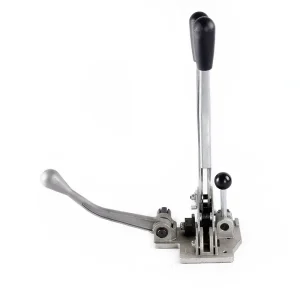
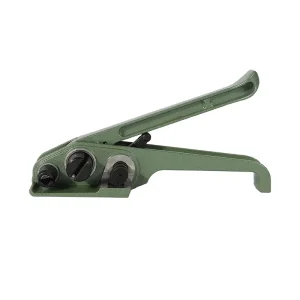
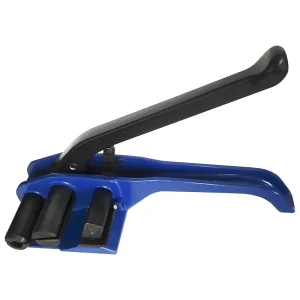
Manual fiber cord and woven webbing tensioners (such as the Handpack SD251 and SD500 models) utilize high-torque windlass mechanisms to achieve tensioning forces up to 10,000 N. The ability to work with varying widths, combined with weather-resistant polyester webbing, has made these tools standard equipment for heavy cargo securing on flatbed trailers and open sea vessels.

2. Global Sourcing Dynamics: Sourcing Priorities for Logistics Engineers

Global procurement teams evaluate tool purchases using a total-cost-of-ownership (TCO) model. The primary factors dictating sourcing choices include:

  • Mechanical Tool Lifespan: High-friction wear parts, such as tension wheels, cutters, and gripper plates, must be forged from hardened alloy steel to withstand abrasive plastic and metal straps.
  • Modular Serviceability: Tools must allow rapid replacement of high-wear components directly in the field, minimizing packaging line downtime.
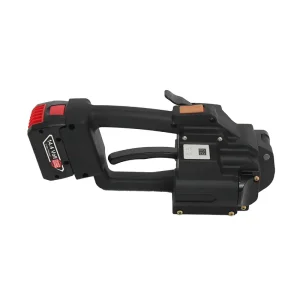
  • Energy Density & Portability: For battery-powered models (like the DD160 and DD163U), brushless motors and high-capacity 18V lithium-ion batteries are required to support over 400 strapping cycles per charge.
  • Dynamic Ergonomics: Balanced weight distribution reduces operator fatigue during long shifts, improving workplace safety and productivity.

3. China Factory 4.0: Modern Supply Chain Resilience & Handpack’s Engineering Advantage

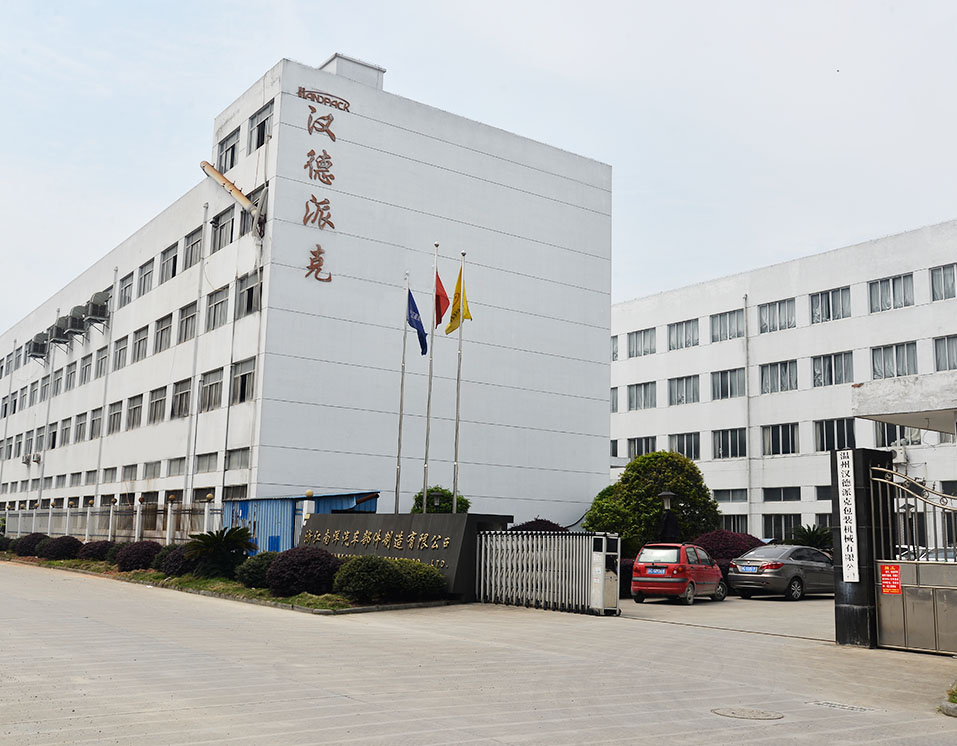
Wenzhou Handpack Machinery Co., Ltd. represents the modernization of Chinese industrial equipment manufacturing. Located in Tiancheng Industrial Park, Yueqing City, Wenzhou, Handpack operates a 12,535-square-meter manufacturing plant. Established in 2008, the company has grown from a regional machinery fabricator into a major manufacturer of handheld strapping tools, utilizing CNC production lines and automated QA testing centers.

Handpack’s integration of Factory 4.0 processes ensures parts consistency. All critical stress-bearing parts (such as the tensioning gears of the SGL-19 manual tensioner and the sealing jaws of the SGS-19) are produced on computer numerical control (CNC) equipment. This manufacturing precision guarantees tight tolerances, reducing the rate of alignment failures and increasing tool life in heavy industrial environments.

4. Technology Breakdown: Manual, Pneumatic, and Battery-Powered Mechanisms

Industrial packaging operations vary. Handpack maintains a comprehensive portfolio across three primary energy formats to suit different operational scales:

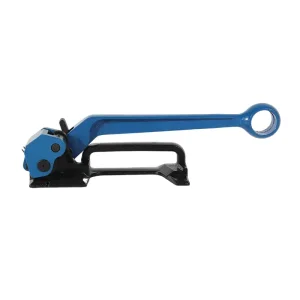
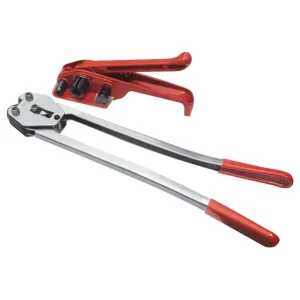
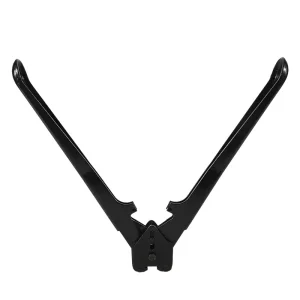
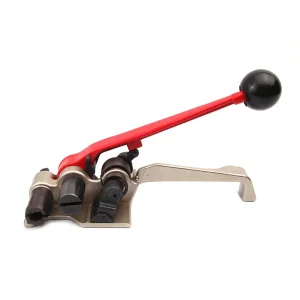
  • Manual Mechanical Systems: Simple, robust, and highly cost-effective. Manual tensioners like the SD330, paired with sealers like the SJ190, require no external power sources, making them ideal for mobile packaging teams.
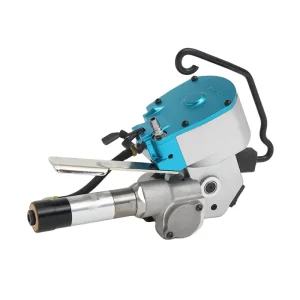
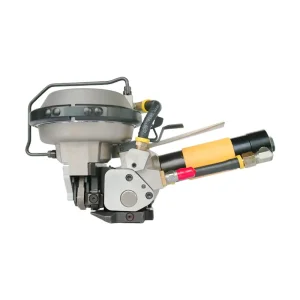
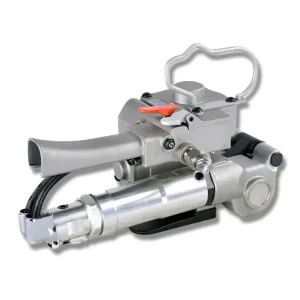
  • Pneumatic Strapping Tools: Utilizing high-pressure compressed air, tools like the GM19 and GZD19 provide consistent tension and sealing. They are preferred in indoor manufacturing facilities like steel works and paper mills where high-speed, repeatable bundling is needed.
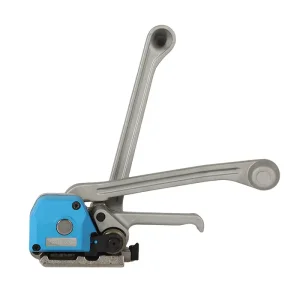
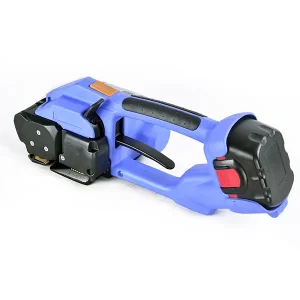
  • Battery-Powered/Electric Tools: The modern industry standard. Handpack’s DD160 and DD163U battery-operated tools combine tensioning, friction welding, and cutting into a single handheld device, removing the need for manual metal seals.
Why Choose Handpack

Corporate Strengths & Engineering Philosophy

Through innovation and strict quality control, we build lasting partnerships with global distributors and industrial end-users.

Mission in Heart

We utilize breakthrough engineering innovations and advanced technologies to create a competitive advantage for clients through stable, high-performance strapping tools.

Practicality

We develop fact-based packaging solutions to address our customers' real-world logistics issues, building long-term relationships through proven reliability.

Customer First

All of our products and customer services are designed around the end user, ensuring simple integration into existing factory workflows.

Win-Win Collaboration

We support our clients' business growth by supplying competitive packaging tools, cultivating partnerships where all parties thrive.

Handpack Manufacturing Facility In Wenzhou
Manufacturing Leadership

Wenzhou Handpack Machinery Co., Ltd.

Founded on March 14, 2008, and based in the Tiancheng Industrial Park, Yueqing City, Wenzhou, Handpack is one of China’s largest dedicated handheld packaging machinery manufacturers. We focus on the design, engineering, and distribution of high-performance strapping machinery for plastic (PET/PP) and steel banding.

Adhering to the ISO9001 quality management system, our tools carry European CE compliance certifications. With computerized numerical control (CNC) technology implemented throughout our machining center, we maintain quality standards across our pneumatic, battery-powered, and manual product lines.

Advanced Quality Control Process

Every strapping tool undergoes strict tension force, sealing efficiency, and battery cycle life verification before shipment.

Export and Import Credentials

Equipped with global export permissions, we ship to industrial markets in Europe, North America, Southeast Asia, and South America.

Targeted Workflows

Localized Application Scenarios

Our tools are engineered for specific, demanding applications across various heavy industries globally.

Paper Industry

Securing paper rolls, finished paper boxes, and stacked pulp loads requires tensioners that apply consistent force without crushing vulnerable edges.

Aluminum Processing

Handling raw ingots, high-finish profiles, and aluminum coils requires durable high-tension tools to ensure safe handling during transit.

Timber & Wood Mills

Securing raw timber bundles, building planks, and plywood pallets requires durable tools to manage changing moisture levels and expansion during transport.

Stone & Masonry

Transporting heavy, sharp-edged materials like granite slabs and concrete blocks relies on high-tensile polyester (PET) strapping to absorb transport vibrations.

Wooden Crate Securing

Manual and pneumatic tensioners work alongside standard nail fasteners, adding structural integrity to heavy wooden export crates.

Heavy Metallurgy

Securing steel rebar and hot-rolled sheets requires steel strapping, pneumatic sealless tools, or heavy manual tensioners and sealers.

Expert Sourcing Answers

Frequently Asked Questions

Get technical insights into sourcing, operating, and maintaining pallet strapping tensioners directly from Handpack’s engineering team.

What are the key advantages of using high-tensile PET strapping over traditional steel strapping? +
High-tensile Polyester (PET) strapping provides excellent elasticity, allowing the strap to retain tension even when loads settle or contract. It absorbs impact shocks during transit without breaking, is safer for operators to cut, reduces cargo damage, and is highly resistant to weather and rust.
How does Wenzhou Handpack ensure the quality of its strapping tools? +
Handpack operates under an ISO9001 certified quality system. We manufacture critical wear components using precise CNC machinery to ensure exact tolerances. Additionally, all tools undergo testing for maximum tension force, weld strength, and cycle reliability before shipment.
What type of strapping tool is best for outdoor, mobile packaging work? +
For mobile work, manual strapping kits (like the SD330 tensioner paired with the SJ190 sealer) or battery-operated tools (such as the DD160 and DD163U) are ideal because they require no external air lines or electrical cords.
Which industries rely most heavily on pneumatic strapping tools? +
Pneumatic tools (like the GM19 and GZD19) are commonly used in industries with stationary packaging stations, such as steel mills, metal extrusion plants, paper factories, and chemical fiber production lines, where compressed air is readily available and high-speed packaging is required.
What is a sealless steel strapping tool, and how does it save costs? +
Sealless tools (like the A333 or SG192) punch an interlocking key joint directly into the overlapping ends of the steel strap. This eliminates the need for separate metal seals, reducing packaging material costs, simplifying the packing process, and removing a potential point of joint failure.
What range of strap widths can Handpack tools accommodate? +
We manufacture tools for various strapping widths, typically ranging from 12mm to 19mm for standard plastic/steel strapping, and up to 25mm, 32mm, or 50mm for heavy-duty manual webbing and fiber cord tensioners (such as the SD251 and SD500).
How does Handpack support international buyers and distributor partners? +
We provide OEM and ODM manufacturing services, supply modular replacement parts, offer technical manuals, and assist with import/export documentation. This support helps global distributors keep their customers' equipment running reliably.