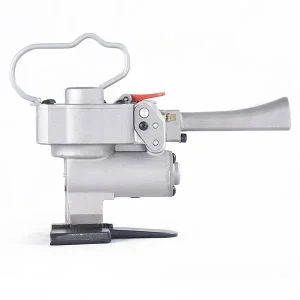
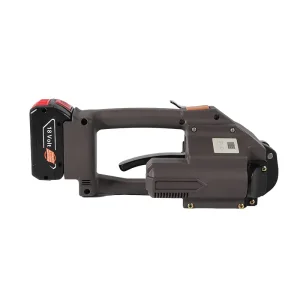
 Handpack
1 / 5
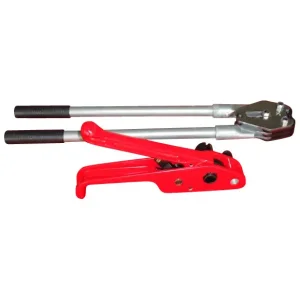
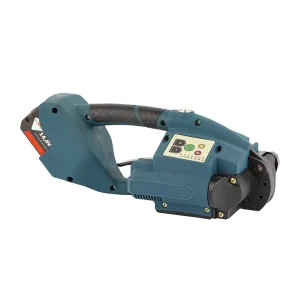
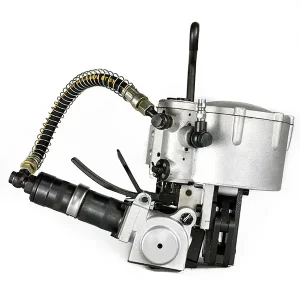
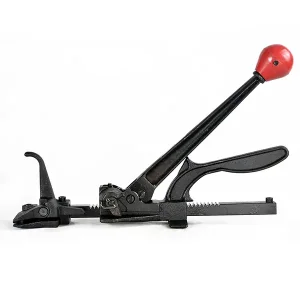
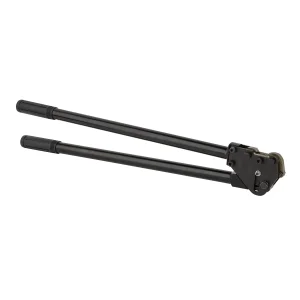
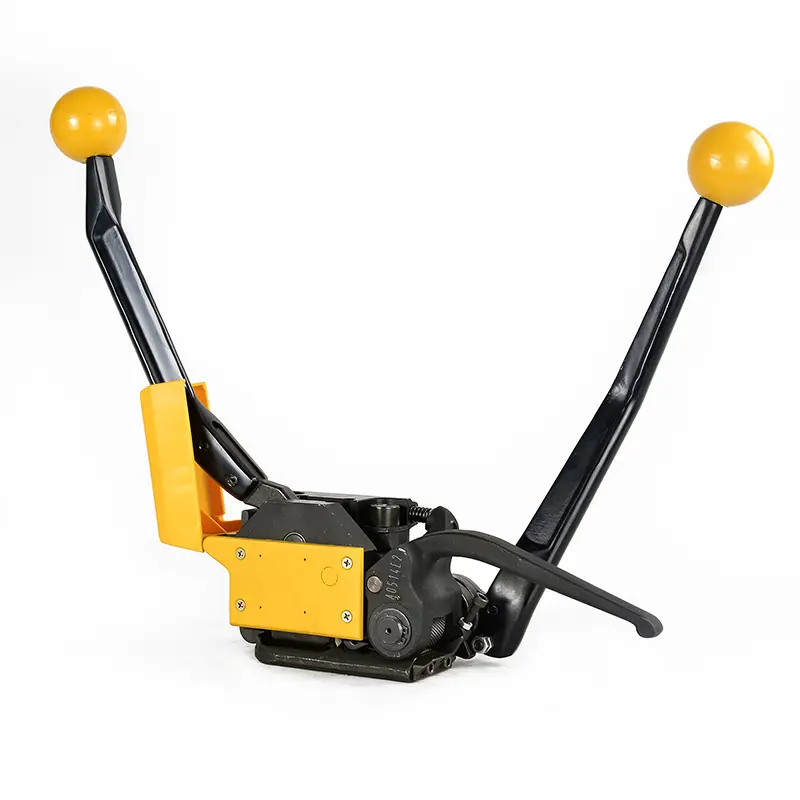
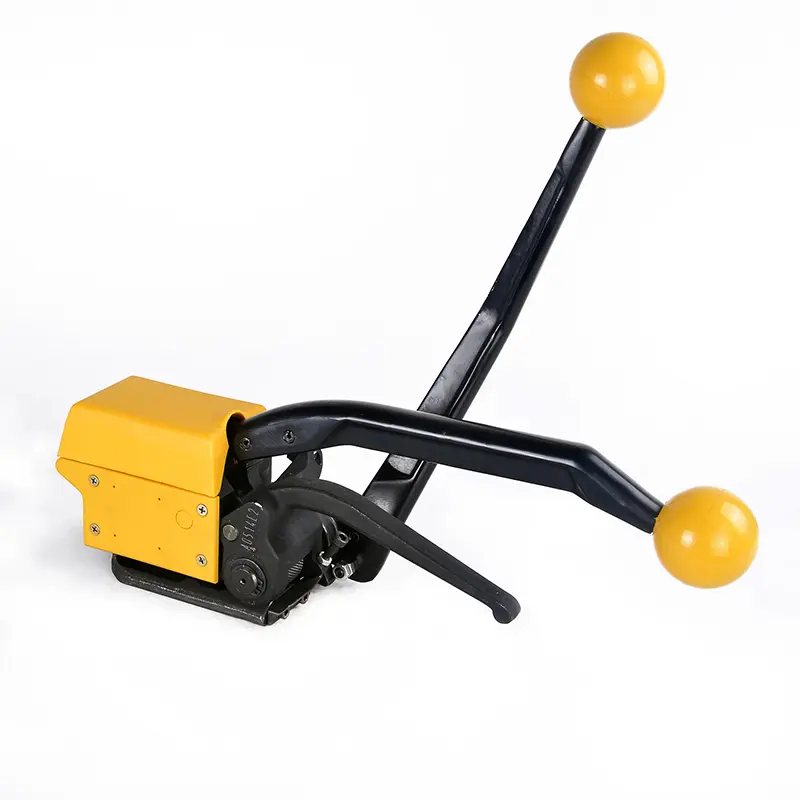
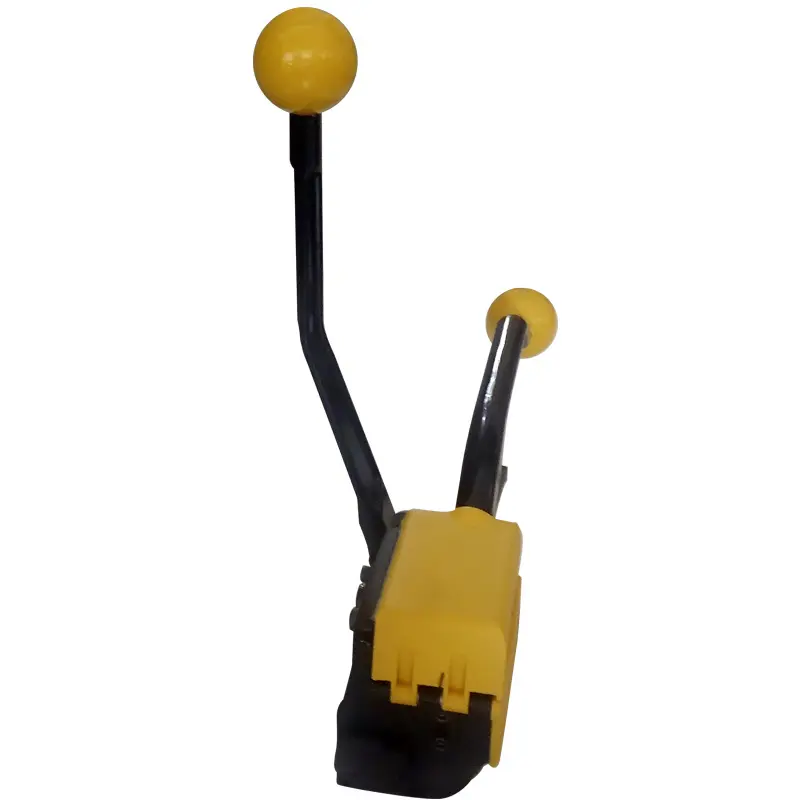
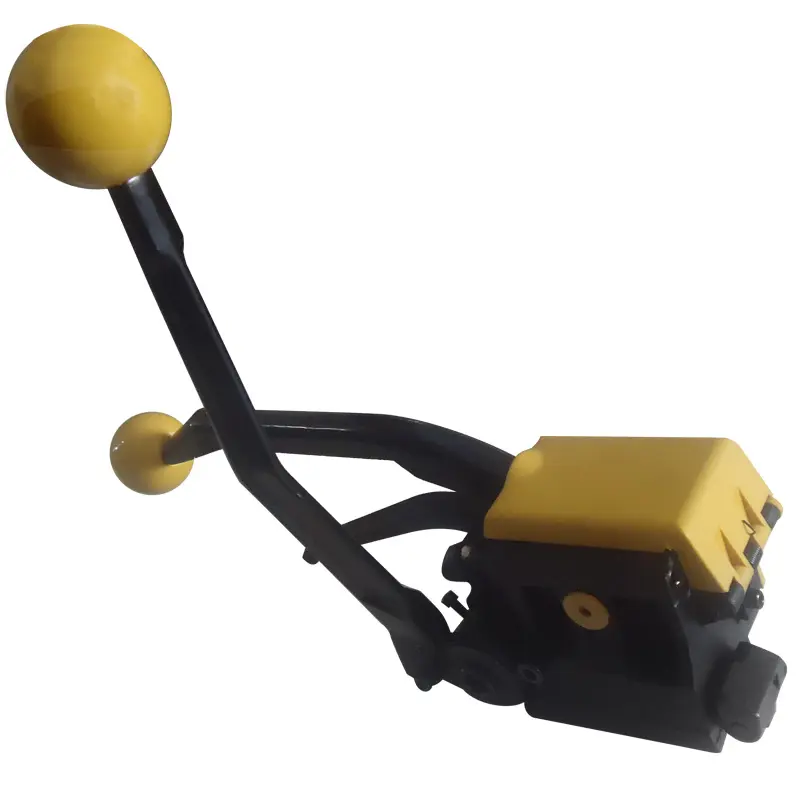
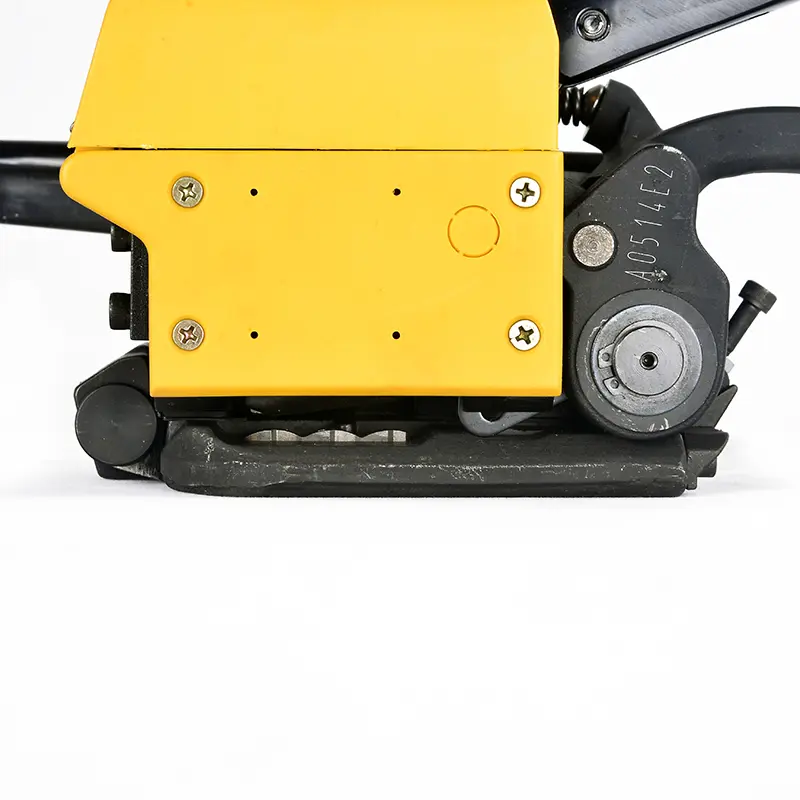
The Manual Steel Strapping Buckle-Free Tool Model A333 is a portable, efficient, and cost-effective packaging device specifically engineered for tensioning, sealing, and cutting steel strapping in various industrial and logistics scenarios. Designed to eliminate the need for traditional metal buckles during the strapping process, it streamlines packaging workflows while ensuring secure and reliable load fixation.
| Model Name | Manual Buckle-Free Steel Strapping Tool A333 | |
| Description | It can operate manually, connecting the functions of tensioning, sealing and cutting. Widely used in manufacturing, metallurgy, transportation, etc. Steel bands of common and high tensile strength are both acceptable. | |
| Features | 1. Convenient operation, smart design — no power connection required. | |
| 2. Buckle-free with double pressure structure to achieve reliable strap connection. | ||
| 3. High-speed tension with special structure design; easy to achieve tension and packaging of steel, aluminum ingots, and heavy packages. | ||
| 4. All parts made from high-strength aluminum alloy for long-term use; reliable design and advanced manufacturing technology. | ||
| 5. Patent design to avoid operator fatigue. | ||
| Applicable Packing Strap | Steel strap | |
| Packing Strap Size | Strap Width | 13–19 mm |
| Strap Thickness | 0.38–0.8 mm | |
| Lock Mode | Yin and Yang Buckle | |
| Joint Force | Max. 70%–80% | |
| Weight | 3.9 kg | |
| Size | 387 × 168 × 308 mm | |
This tool integrates three key functions — strapping tensioning, buckle-free sealing, and strapping cutting — into a single handheld unit, enabling one-person operation with simple steps:
Insert the free end of the steel strapping (typically 12–16 mm in width, compatible with most standard industrial steel straps) into the tool's tensioning mechanism. Rotate the tensioning handle clockwise; the internal gear system will gradually tighten the strapping around the load, allowing users to adjust tension based on load weight (up to a maximum tension of ~500N, suitable for medium-weight packages like cartons, wooden crates, or metal parts).
Once the desired tension is achieved, flip the tool's sealing lever. The device uses a mechanical crimping principle to press and interlock the overlapping sections of the steel strapping — no buckles required. This creates a tight, tamper-resistant seal, avoiding the cost and waste of disposable buckles. The crimped joint can withstand up to 80% of the strapping's original tensile strength.
After sealing, press the built-in cutting blade (made of high-hardness alloy steel for wear resistance) to trim the excess strapping cleanly. The blade's safety design prevents accidental cuts during operation.
Reduces packaging costs by eliminating the need to purchase and store metal buckles; minimizes waste and aligns with eco-friendly packaging trends.
Weighing approximately 3.2 kg with an ergonomic rubberized handle — ideal for on-site packaging in warehouses, factories, or construction sites.
High-strength aluminum alloy body with heat-treated tensioning gears and cutting blade. Service life of 3–5 years under regular use.
Works with galvanized and black annealed steel strapping (thickness: 0.3–0.6 mm). Suitable for electronics, machinery, building materials, and logistics industries.
Securing wooden crates or pallets loaded with industrial parts (e.g., auto components, mechanical gears).
Bundling heavy cartons or cardboard boxes for long-distance shipping to prevent package deformation during transit.
Packaging metal pipes, profiles, or sheet metal to avoid scratches or displacement during storage or transportation.
On-site packaging in remote locations (e.g., construction sites, outdoor storage yards) where electric or pneumatic strapping tools cannot be used due to power constraints.
To ensure consistent performance, regular maintenance is recommended:
After each use, wipe the tool body and tensioning mechanism with a dry cloth to remove dust or strapping residue.
Lubricate the tensioning gears and pivot points monthly with industrial lubricating oil (avoid using excessive oil to prevent contamination of strapping).
Replace the cutting blade every 6–12 months (depending on usage frequency) to ensure clean, smooth cuts; use only original replacement blades to maintain compatibility.
Store the tool in a dry, cool environment to prevent rusting of metal components.