The Republic of South Africa stands as a pivotal economic powerhouse on the African continent, serving as a primary corridor for global trade through key ports such as Durban, Cape Town, and Port Elizabeth. Heavily anchored by resource extraction, metallurgy, agriculture, and manufacturing, the nation’s industries rely on uninterrupted operational efficiency to remain globally competitive.
Within this dynamic, the process of securing cargo is not merely operational—it is a critical link in the supply chain safety framework. Whether securing bulk minerals in Gauteng, high-value timber in Mpumalanga, or export-bound fruit crates in the Western Cape, raw materials and finished goods require heavy-duty bundling. Industrial packages undergo demanding land-transit journeys via road and rail networks across vast distances, exposing them to significant mechanical stress and changing environmental conditions. This calls for highly reliable, specialized plastic strap welding tools and high-strength PET/PP straps that resist deformation and breakage under load.
As South African enterprises face the pressure of fluctuating energy stability (load shedding) and rising shipping tariffs, the integration of energy-efficient, fast-operating, and highly portable packing tools becomes a priority. Industrial firms are actively shifting from high-maintenance manual processes to modern, battery-powered and pneumatic handheld packaging systems that guarantee consistent seal strength and speed up cycle times.
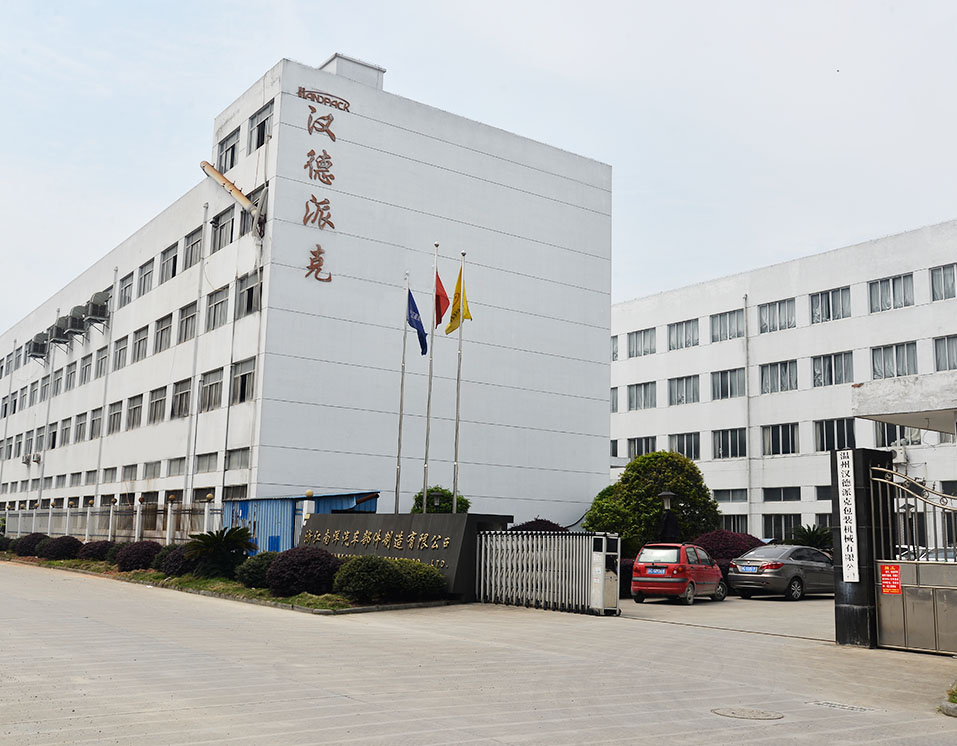
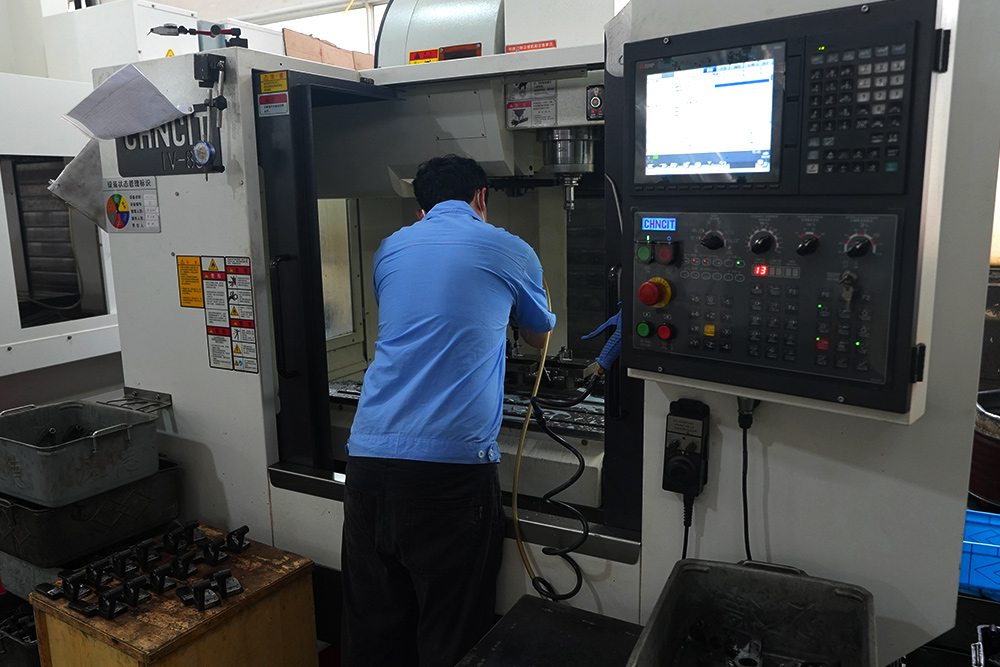
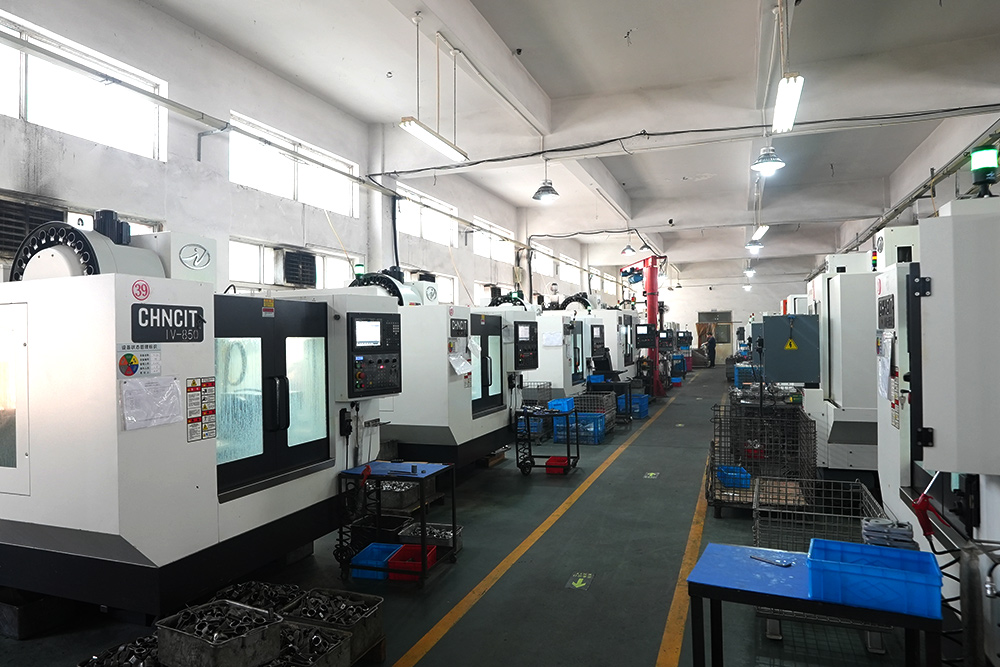
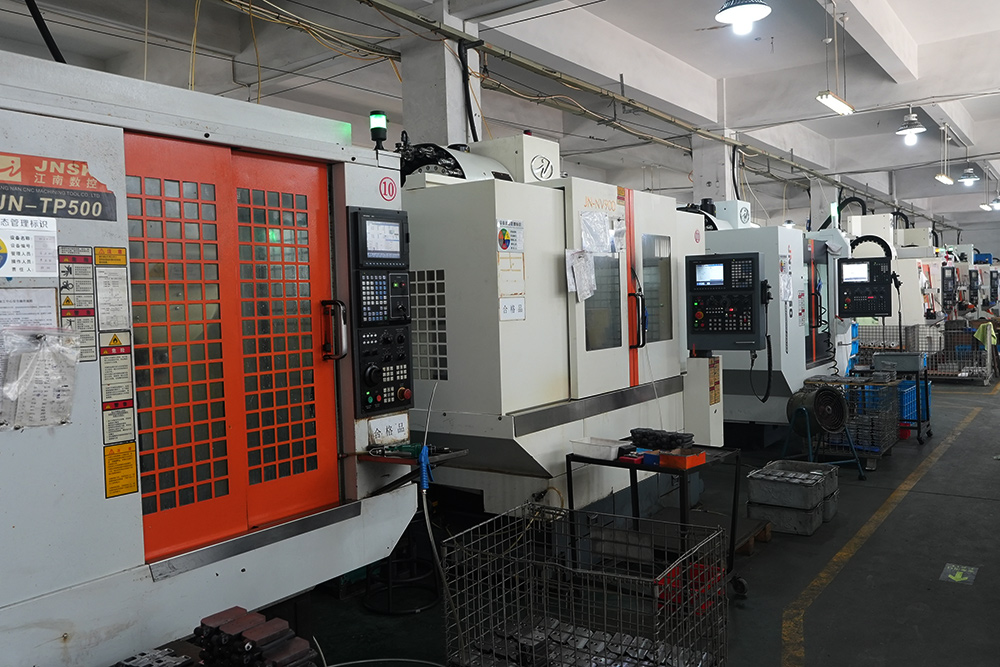
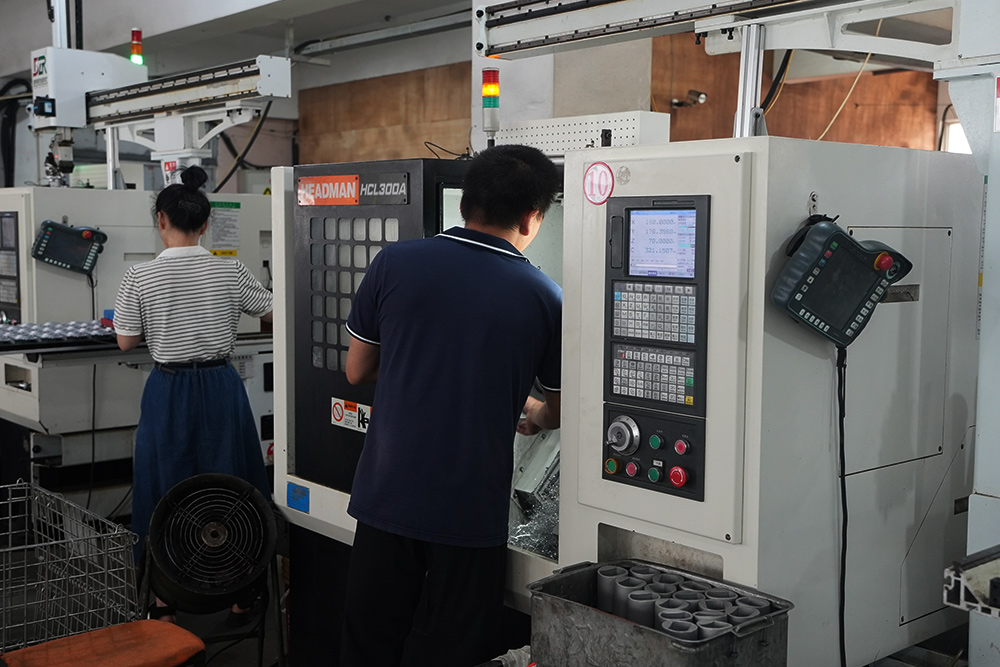
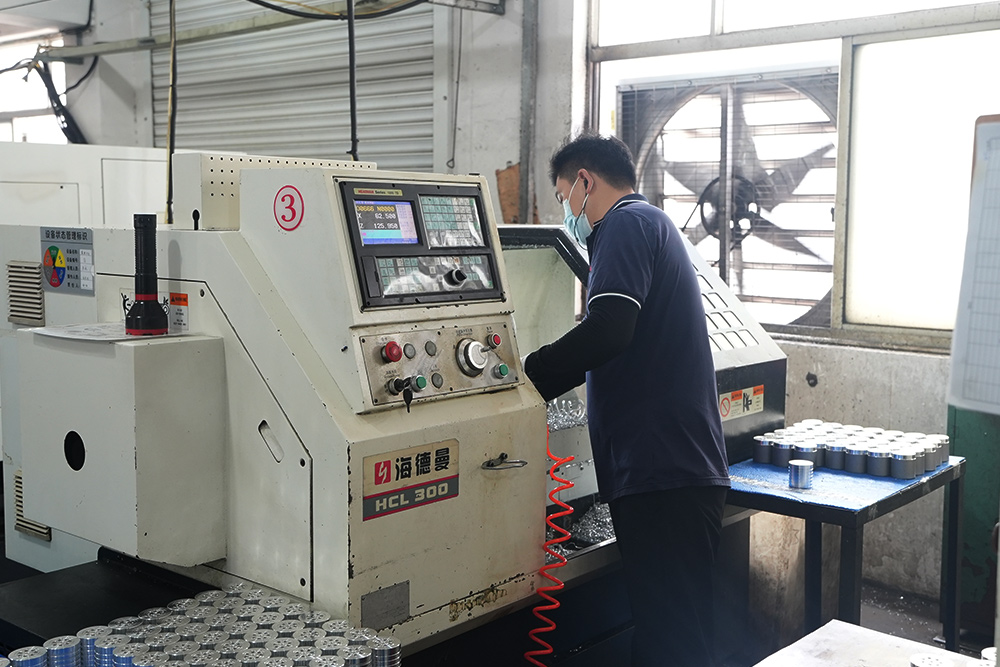
For South African distributors and industrial buyers, establishing sourcing partnerships with certified manufacturers is critical. Handpack Machinery Co., Ltd. fills this gap by combining advanced manufacturing capabilities with targeted, application-specific engineering. Located in China’s precision CNC hub, Handpack utilizes computer-controlled manufacturing to construct durable internal parts for handheld pneumatic, battery, and manual strapping systems.
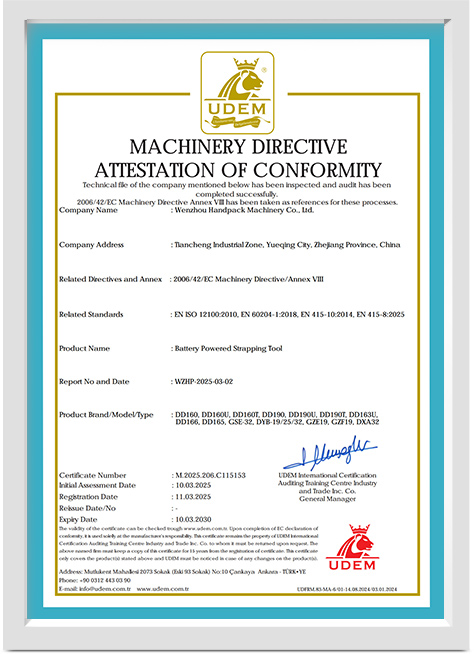
Understanding that downtime in South African manufacturing and export hubs can lead to costly delays at port terminals, Handpack tools are engineered for reliability and long service intervals. Our ISO9001-certified production facility focuses on high-precision machining of tensioner components, friction-weld plates, and motor housings. All products carry CE certification, ensuring compliance with international safety standards, making them a natural choice for South African companies seeking to optimize their packaging workflows with minimal operational overhead.
In global industrial packaging, the choice of strapping materials and tooling plays a decisive role in the structural integrity of palletized goods. South Africa’s demanding transport environment requires a thorough understanding of the differences between polypropylene (PP), polyester (PET), and steel strap technologies, as well as the mechanical methods used to seal them.
Polyester (PET) vs. Steel Strapping: The global industry is experiencing a steady transition from traditional steel strapping to high-strength PET strapping. PET offers similar tensile strength to steel but provides superior shock-absorption, does not rust when exposed to moisture during maritime shipping, and reduces injury risks during cutting. However, achieving secure PET joints requires precise heat-weld parameters or high-frequency friction sealing, which is where Handpack’s advanced pneumatic and battery-powered tools excel.
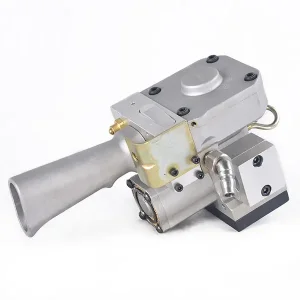
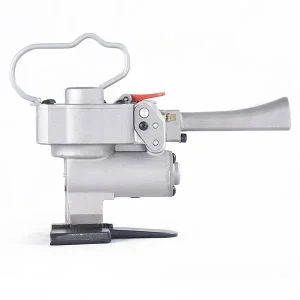
Our battery-powered tools utilize high-speed oscillation to generate localized friction heat. This melts the plastic layers at the overlapping point, cooling under tension to form a weld joint with efficiency ratings up to 85% of the strap's tensile strength.
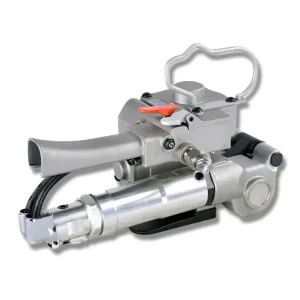
Designed for locations with centralized air supply systems, our pneumatic line delivers high, consistent tension (up to 3500N) without motor wear. They are well-suited for industrial lines where manual tensioning cannot meet speed requirements.
Lithium-ion battery tools allow packing operations to continue during power outages. With ergonomic designs and weight distribution, they reduce operator fatigue and are ready for flexible use across large yards.
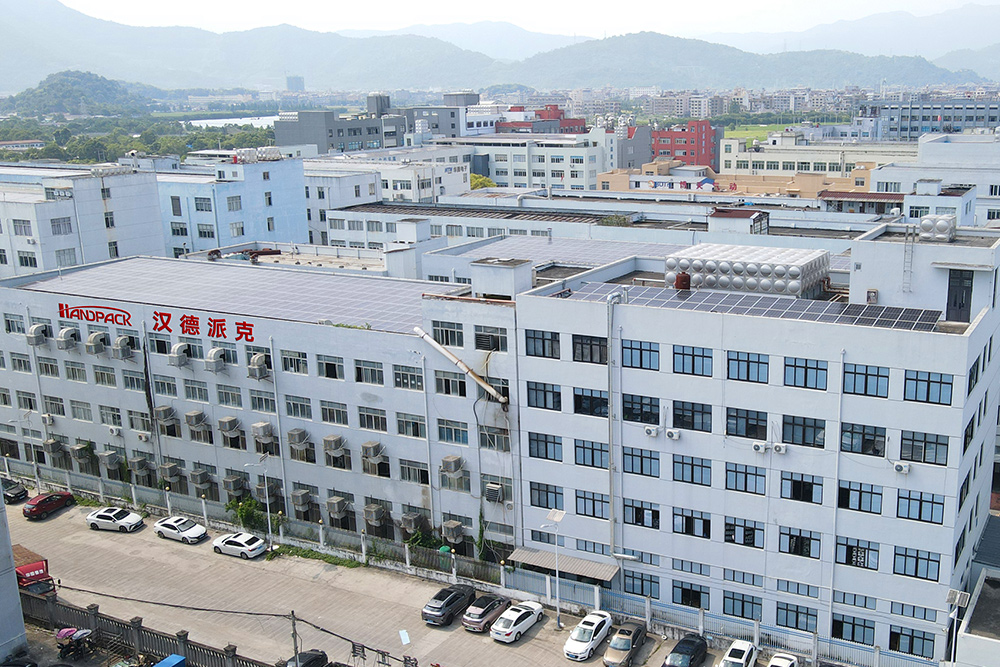
Wenzhou Handpack Machinery Co., Ltd. is a dedicated manufacturer of handheld packaging machinery. Established on March 14, 2008, the company is located in the Tiancheng Industrial Park, Yueqing City, Wenzhou, positioned near Yueqing Bay and backed by the Yandang Mountain region. Spanning an industrial footprint of 12,535 square meters, Handpack has grown into one of China's primary manufacturing bases for professional handheld packaging systems.
Our production focuses on the design, engineering, and distribution of manual, pneumatic, and electric strapping systems compatible with PET, PP, and high-tensile steel straps. The applications for these systems span a wide range of global sectors including metallurgy, timber processing, stone extraction, chemical production, logistics, and marine transport. By adopting CNC production processes and maintaining technical exchanges with specialized component suppliers, we build reliable quality and steady mechanical performance into every unit.
Helping enterprises take off with every bit of strength by providing reliable and efficient strapping tools.
Honesty forever, trust in the future. We establish long-term partnerships through transparent service.
Pursue value, create value, and realize value for both our employees and our global industrial clients.
Innovation, Integrity, Pragmatism, and Efficiency in every step of our design and manufacturing processes.
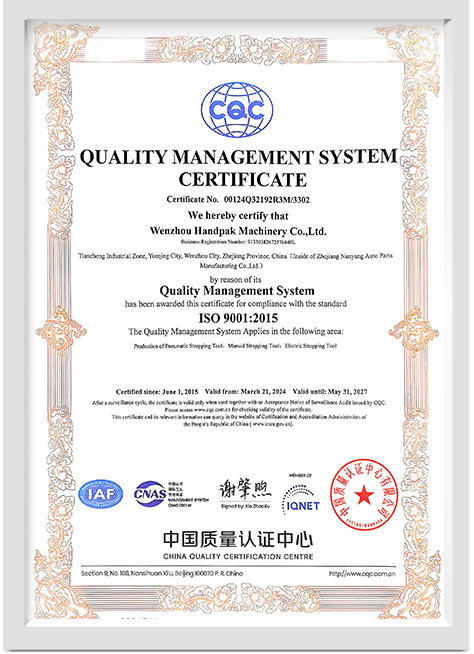
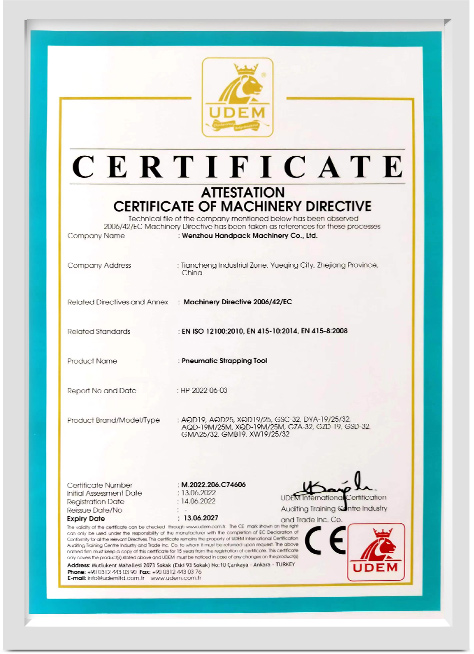
From Cape Town's paper mills to the mines of the Northern Cape, our strapping machinery is built to handle diverse and demanding environments.
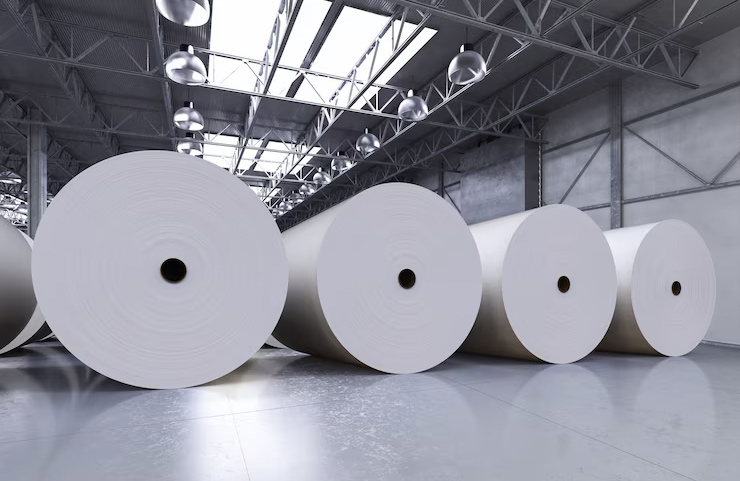
Essential for securing heavy paper rolls, consolidated cardboard shipments, and waste-paper bales for recycling. Our pneumatic tensioners maintain stable, consistent strap tension to prevent crushing delicate product edges while keeping packages securely bound.
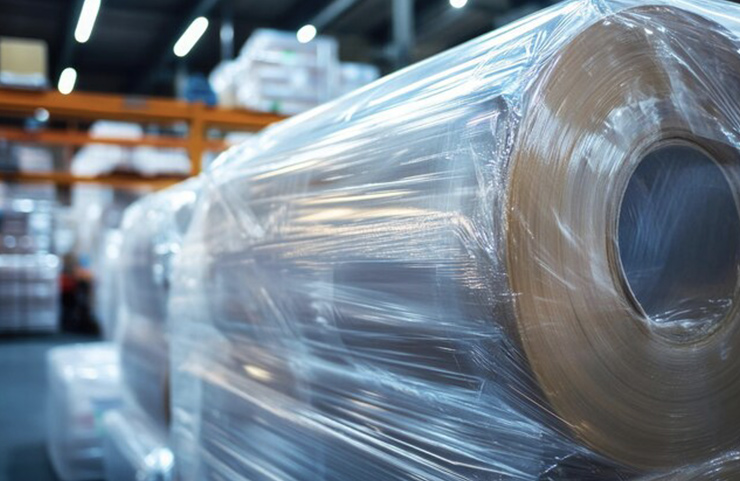
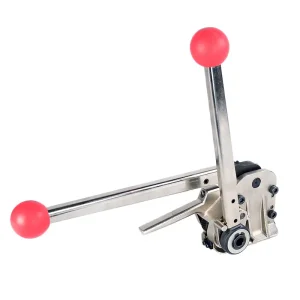
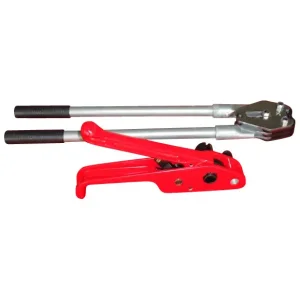
Designed to handle high tension requirements for heavy, sharp-edged metal loads. Our manual and pneumatic steel strapping tools provide secure, buckle-free joints for steel coils and extrusions bound for domestic transport or export from Richards Bay.
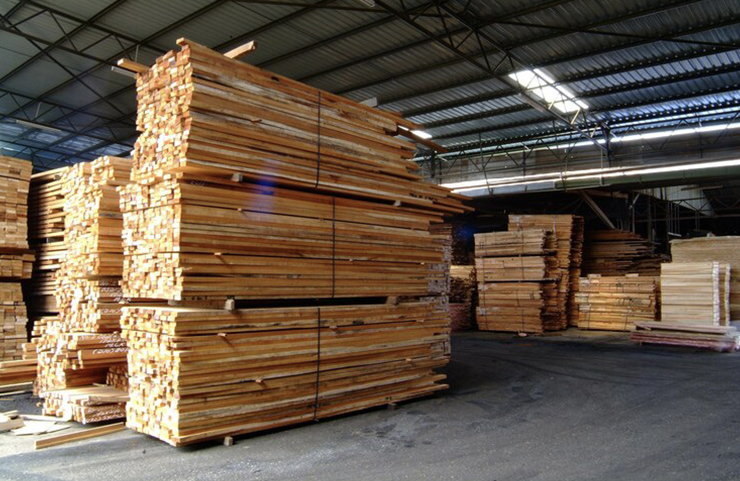
Ideal for timber mills processing raw logs and finished planks. Our cordless battery-operated tools allow operators to move freely around outdoor yards to bundle timber packages without needing compressed air lines or power cables.
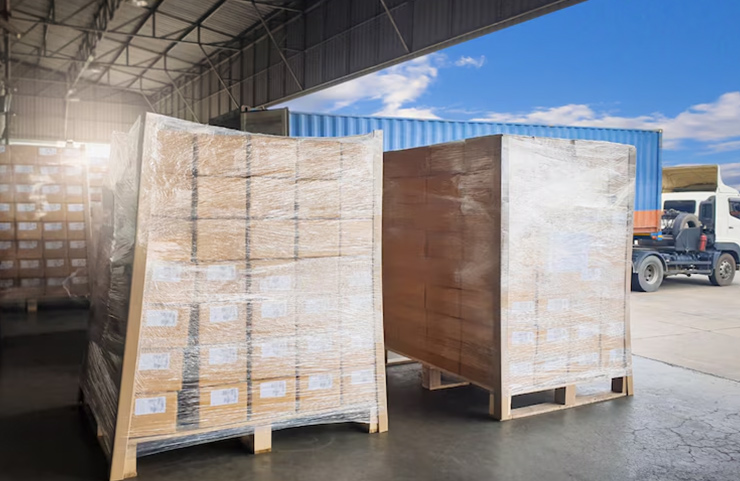
Provides strong structural reinforcement for industrial machinery housed in large wooden crates. Using high-tension PET strapping secures these heavy loads, reducing shifting during long ocean transits.
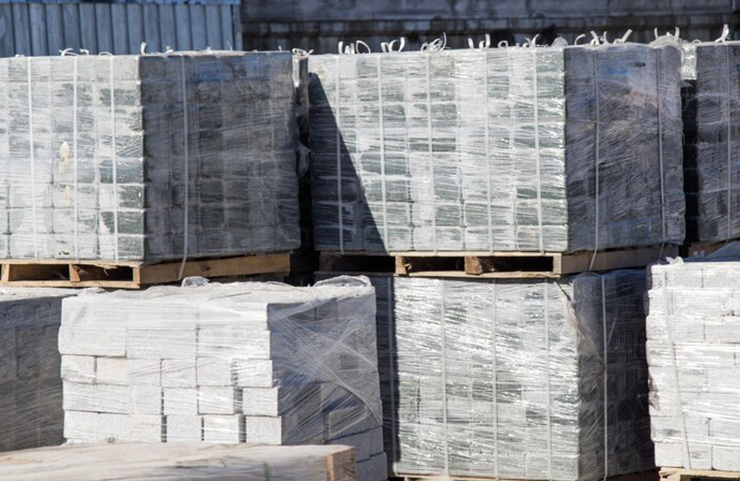
Handles the challenges of heavy, abrasive stone products. High-strength PET strap welding replaces wire and chains, preventing scratching on polished surfaces while keeping stone slabs secured during transit.
We collaborate with South African distributors to supply specialized accessories, alternative tensioners, and custom-tuned weld plates for unique industrial needs.
Contact EngineeringOur complete range of pneumatic, electric, battery-powered, and manual tools built for heavy industrial usage.
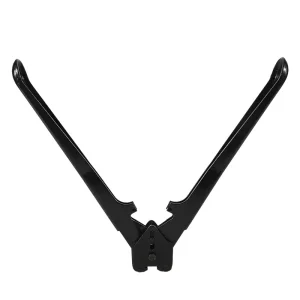
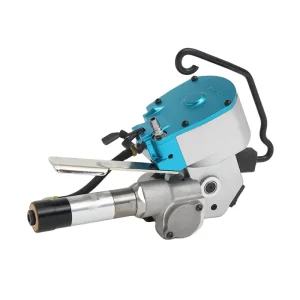
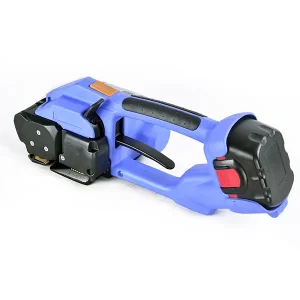
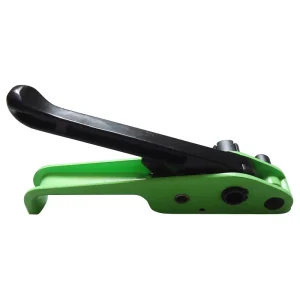
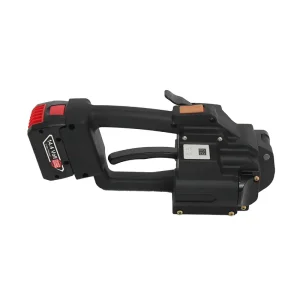
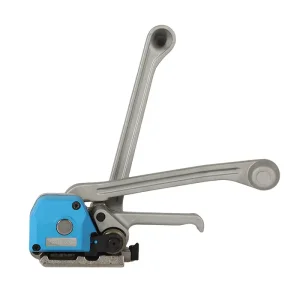
Specialized systems engineered for specific material properties and high-load packaging needs.
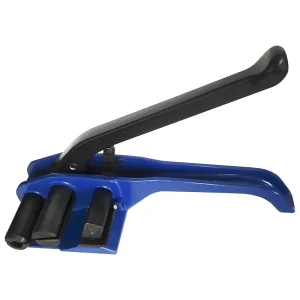
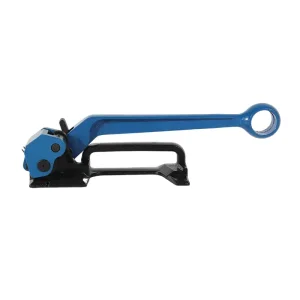
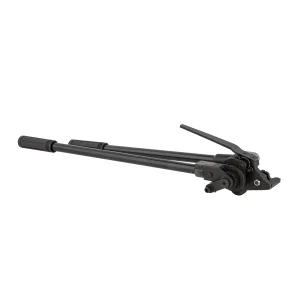
As the packaging industry evolves, global standards emphasize reducing environmental impact and improving energy efficiency. Handpack is aligning its R&D with these trends, developing tools designed to minimize plastic waste and support circular economy goals.
Addressing Load Shedding Challenges in South Africa: Energy stability is a key operational concern for South African facilities. Handpack’s battery-operated tool lineup is designed to mitigate this issue. Our tools feature fast-charging battery packs that can complete up to 400 strapping cycles on a single charge. This allows packing lanes to remain functional during grid outages, helping local businesses maintain continuous operations.
Transitioning to Recyclable Strapping Materials: Our welding systems are optimized to work with high-quality, 100% recyclable PET strap materials. The thermal joints created by our friction-welding systems eliminate the need for metal seals, simplifying the recycling process. This helps companies reduce packaging waste while maintaining high joint strength.
Upcoming product iterations feature digital control panels that allow real-time adjustment of tension speed and weld times, helping operators match tool performance to different strap qualities.
We are developing brush-free electric motors that reduce energy consumption and heat generation, extending tool lifespan and increasing the number of operational cycles per charge.
We are expanding our spare-parts availability and support channels for our regional partners in Johannesburg and Durban, helping local teams perform maintenance with minimal delay.
Detailed technical answers for procurement directors, logistics managers, and packaging engineers in the South African market.
Our battery-powered tools, such as the DD160, use high-capacity Lithium-ion battery packs that can complete up to 400-500 strapping cycles on a single charge. This allows packing lanes and warehousing operations to continue working off-grid. Charging takes approximately 90 minutes, making it easy to keep backup batteries prepared.
Historically, heavy timber was bound with steel. However, polyester (PET) strapping has become a popular alternative due to its elasticity. PET maintains tension even when timber packages shrink or shift during storage and transport. It also handles outdoor exposure without rusting or staining the wood.
Our friction-welded tools achieve a joint efficiency of 75% to 85% of the strap's maximum tensile strength. The exact efficiency depends on the quality of the PET/PP strap and the welding parameters set on the tool. This high seal strength eliminates the need for metal seals or buckles.
Yes. Manual tensioners like the SD500 are designed for high-strength woven polyester cords, commonly used in marine cargo securing. These fiber cords are light, flexible, and can be retensioned during transport, making them well-suited for securing heavy equipment inside shipping containers.
We work with regional distributors who maintain inventories of wearing parts, such as tension wheels, cutter blades, and welding plates. We also supply complete maintenance kits with direct shipping options to help minimize tool downtime.
The main requirement is to keep the welding foot and tension wheel clean. Over time, plastic dust from the strap can build up on the teeth of the weld plates. Clearing this buildup with a wire brush keeps the surfaces clean and ensures the friction welding mechanism operates correctly.
 Handpack