Explore our leading catalog of heavy-duty pneumatic, battery-powered, and manual strapping systems engineered for high-throughput logistics.
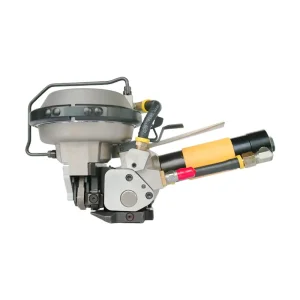
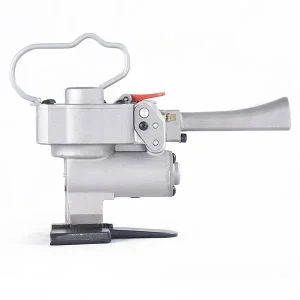
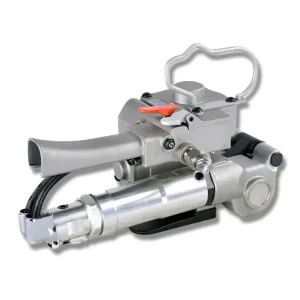
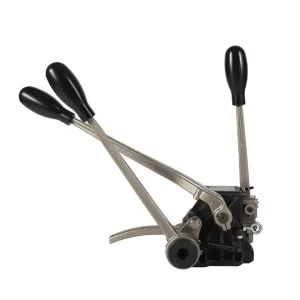
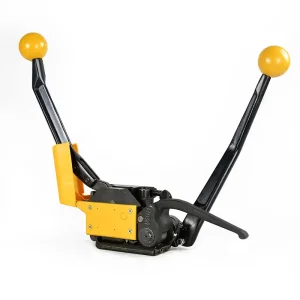
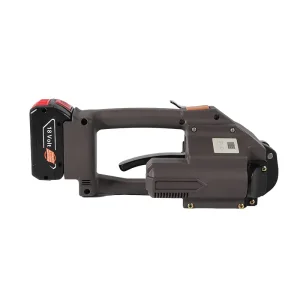
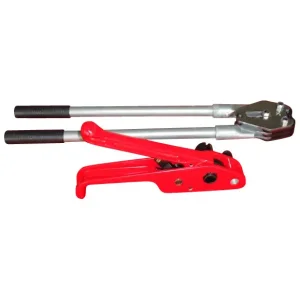
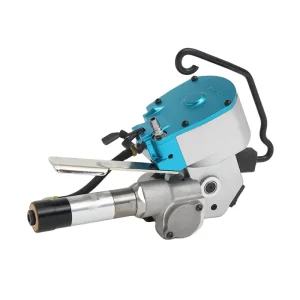
In the modern hyper-accelerated supply chain ecosystem, the reliability of packaging units is paramount. Procurement managers, logistics directors, and factory plant operators face ever-increasing challenges in maintaining bundle integrity during long-distance multimodal transport. Banding tools—ranging from high-tensile manual tensioners to dynamic pneumatic and battery-powered friction welding machines—have transitioned from simple packaging accessories to mission-critical operational assets.
When selecting global manufacturers and suppliers, enterprise procurement protocols require a rigorous assessment of technical parameters, service life cycles, and safety features. High-tension stability prevents shift-induced structural failures in heavy cargo like structural steel, primary metal profiles, and lumber bundles. Simultaneously, ergonomic design directly impacts workplace health and safety (WHS), mitigating repetitive strain injuries (RSIs) for plant workers handling thousands of packages daily.
Furthermore, global sustainability mandates are forcing a transition from traditional steel strapping to high-strength Polyester (PET) and Polypropylene (PP) alternatives, which boast high elasticity and impact absorption while being fully recyclable. Procurement strategies must align with suppliers offering tooling versatile enough to handle these variable materials without sacrificing joint strength.

Empowering global logistics security through engineering excellence and state-of-the-art manufacturing capability.
Established on March 14, 2008, Wenzhou Handpack Machinery Co., Ltd. is positioned in the Tiancheng Industrial Park, Yueqing City, Wenzhou, China. Spanning an extensive footprint of 12,535 square meters, our facility stands as one of the nation's premier bases for handheld packaging machinery development, production, and worldwide distribution.
Discover how modern technology and smart mechanics are reshaping the next generation of handheld strapping machinery.
Advancements in high-capacity Lithium-Ion cells and brushless DC motors provide consistent friction-welding performance, allowing operations to move away from rigid air lines to completely mobile cordless units.
Real-time microprocessors detect strap resistance, providing precise tensioning force (up to 4000N for heavy plastic bands) to ensure sensitive materials like ceramic tiles or softwoods are not crushed while remaining secure.
Next-gen strapping tools are integrating Bluetooth modules for cycle-count monitoring, battery health metrics, and predictive maintenance schedules, minimizing factory downtime and optimizing tool deployment.
Tailored heavy-duty strapping solutions across global material production, logistics, and heavy manufacturing sectors.
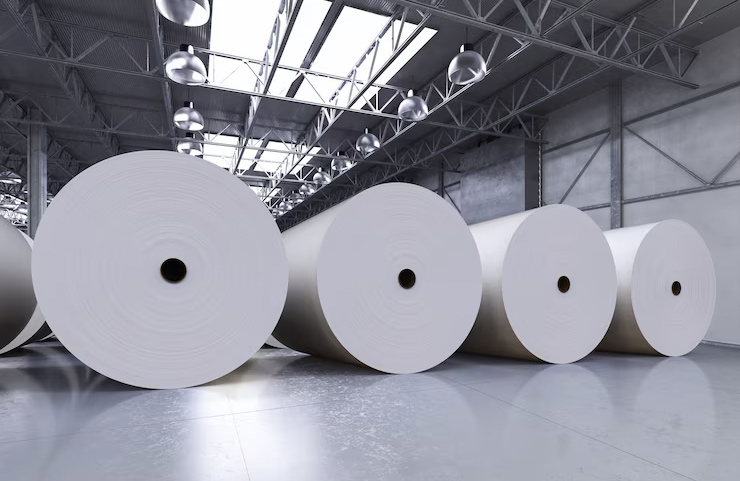
Our tools play a key role in the bundling of finished paper rolls, cardboard box pallets, and recycling bales, providing uniform compression force without tearing the paper layers.
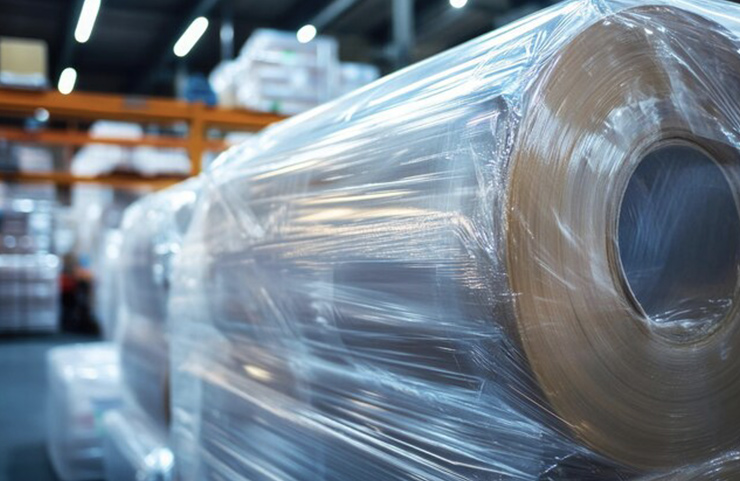
High-tension pneumatic steel strapping tools handle high temperatures and razor-sharp profiles, keeping heavy aluminum coils and metal ingots completely stabilized during maritime freight.
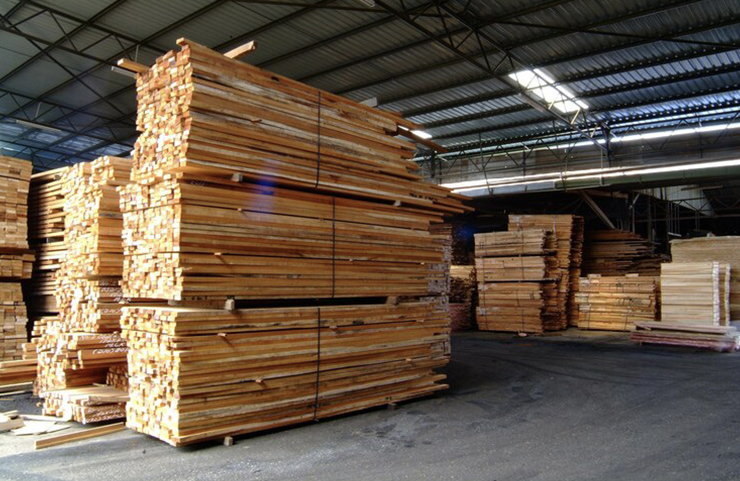
From logs and planed wood products to structural timber, our tools counter natural timber contraction over long periods of transport, ensuring uniform, persistent retention force.
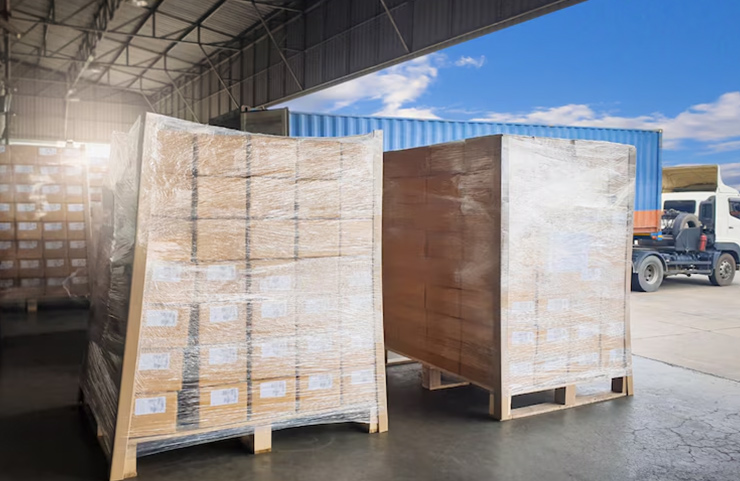
Acts as an extra high-strength safeguard alongside standard nails and screws, preventing timber failure on export machinery boxes subjected to extreme handling forces.
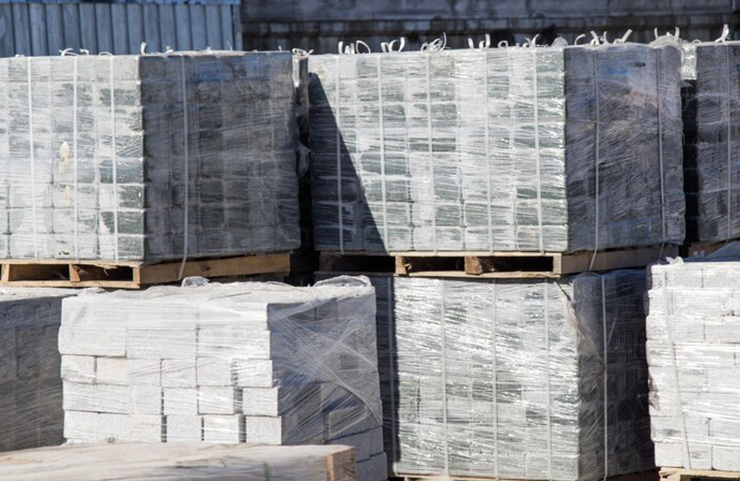
Handles the weight of heavy stone slabs, granite blocks, and bricks. High-tension PET straps replace hazardous wire wraps, removing the risk of operator injury upon cutting.
A reference guide for industrial buyers evaluating strapping solutions based on speed, tension, and operating conditions.
| Strapping Tool Class | Ideal Application Case | Max Tension Force | Key Strengths | Key Challenges |
|---|---|---|---|---|
| Manual (A333, SG32, SDT330) | Low-throughput stations, outdoor operations, off-grid locations | Variable (User-dependent) | Zero power grid dependency, highly cost-effective, durable | Higher physical operator effort, slower process cycle times |
| Pneumatic (GZD19, RJ250, GM19) | Fixed high-volume processing lines, assembly mills | Up to 9000 N | Extremely high tensioning speed, reliable pneumatic crimping | Requires continuous compressed air supply lines |
| Battery-Powered (DD160, DD190T) | Mobile logistics centers, vast warehouse yards, shipping docks | Up to 4200 N | Total cord-free freedom, digital tension setups, automated welding | Battery charging schedules, higher initial acquisition cost |
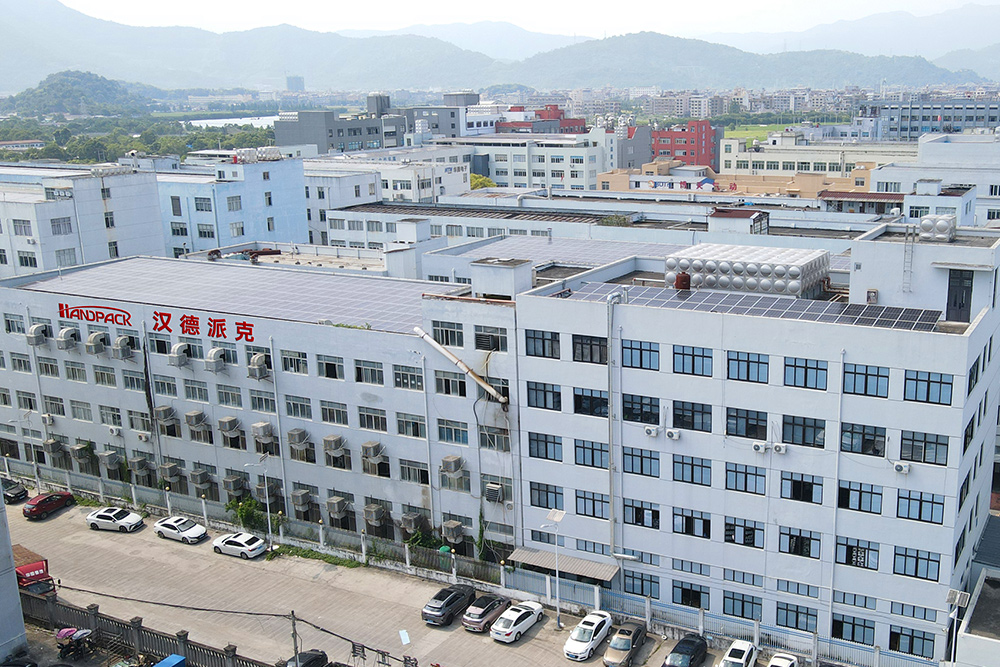
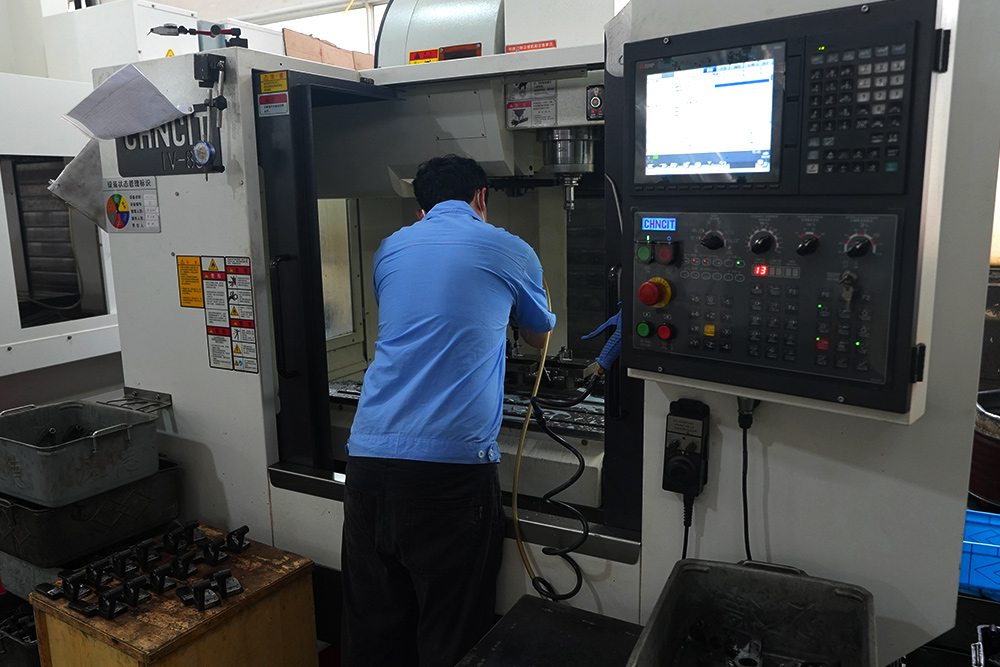
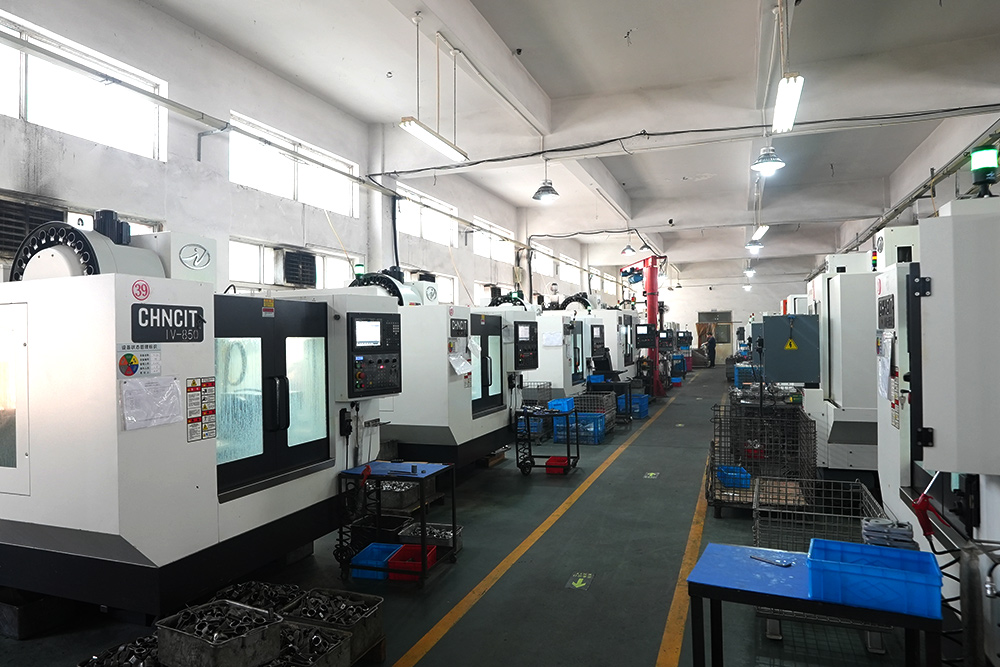
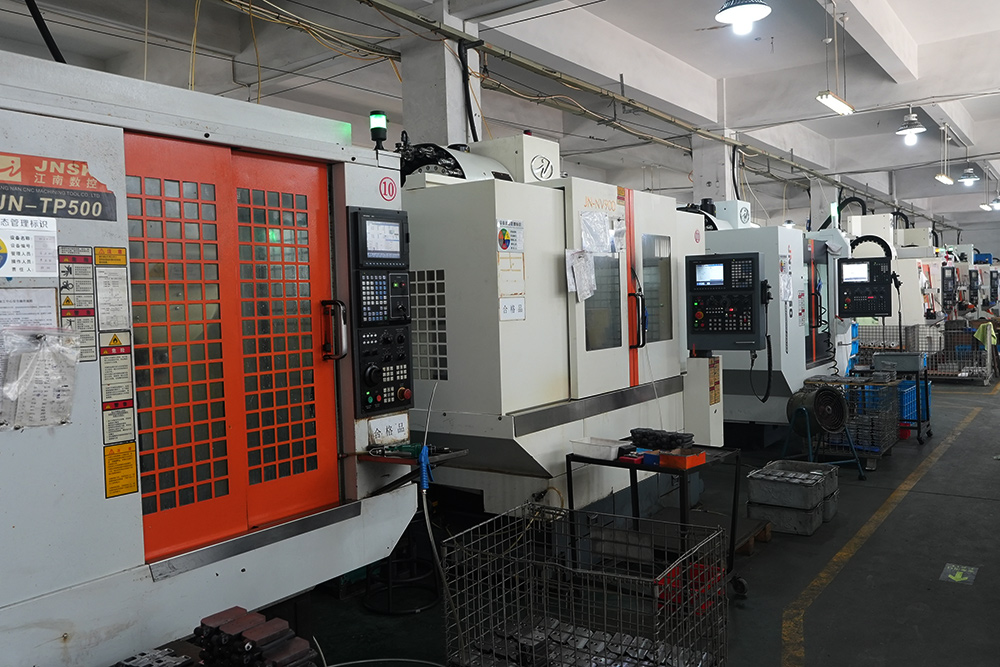
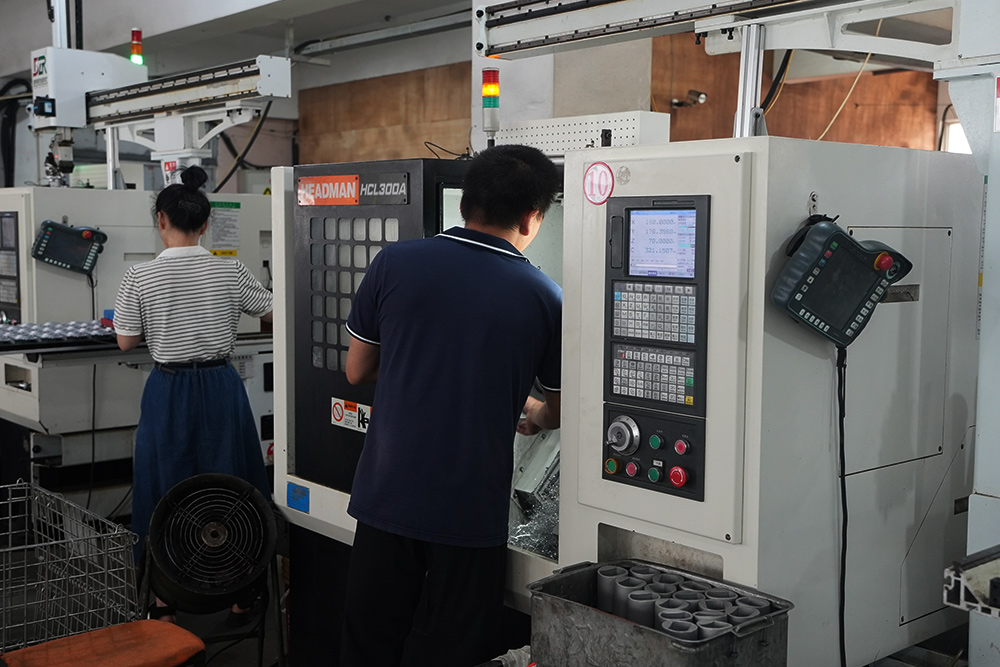
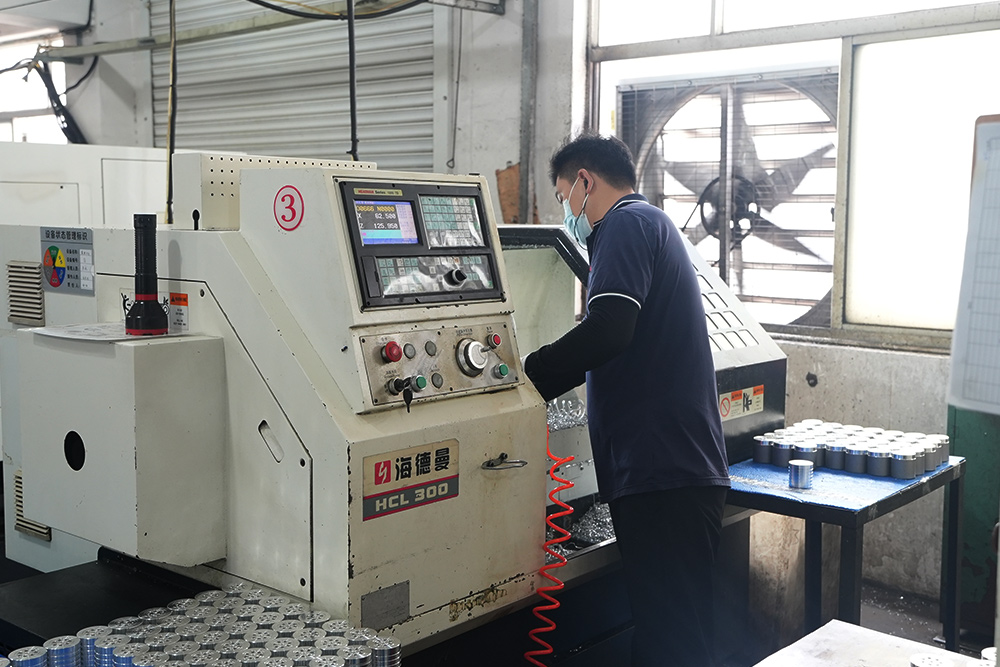
At Handpack, we maintain complete control over the fabrication cycle. Utilizing advanced computerized numerical control (CNC) machining centers, our parts are machined within tight tolerances to prevent mechanical wear and extend operational lifespans. This dedicated setup guarantees consistent performance under demanding shipping environments.
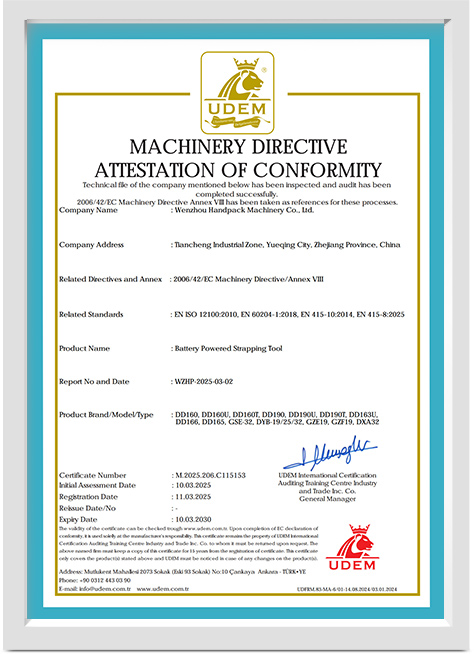
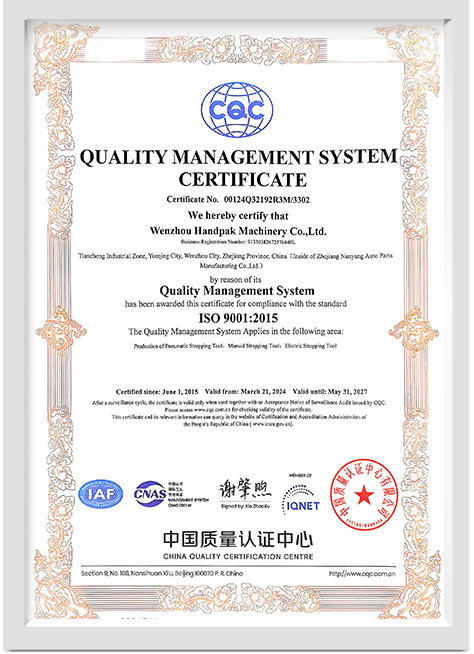
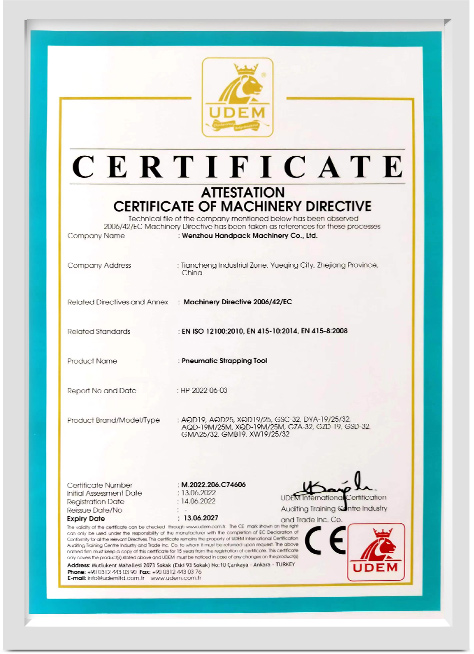
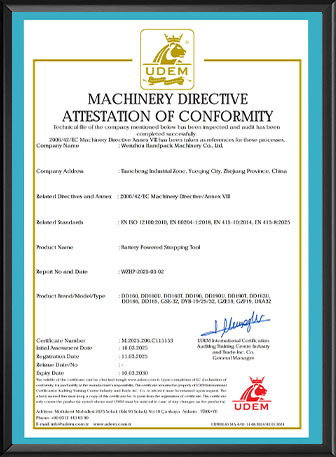
Every product conforms to the rigorous directives of the ISO9001 quality management system and carries European CE product certifications. By prioritizing precision tolerances, we ensure that key friction plates, cutter gears, and electric motors operate smoothly, lowering total cost of ownership (TCO) for global distribution partners.
We machine components internally to secure fine tolerances and high mechanical durability.
All finished products are tested for tension stability and weld-seal strength before leaving the factory floor.
Our commitment to global standards is confirmed by third-party testing and regular compliance certifications.
Our business practices are driven by a commitement to reliability, performance, and shared success.
We utilize industrial innovation and precise assembly techniques to provide a competitive advantage for our clients globally.
We focus on resolving real-world logistics challenges, optimizing tension limits, and reducing tool wear.
Our tools and modifications are shaped by the direct input and operational needs of our customers.
We build long-term partnerships with distributors and end-users, ensuring sustainable growth across the logistics sector.
Ensuring compliance, reliable logistics, and dependable post-purchase service for international buyers.
Operating across global markets requires strict compliance with international packaging regulations. Our strapping systems are engineered to help enterprises meet regional transit guidelines, such as ASTM D3953 specifications for flat steel strapping and ASTM D3950 standards for nonmetallic banding. By maintaining ISO9001 and European CE standards, we ensure smooth customs processing and hassle-free operation.
To support high-throughput operations, we assist our partners with spare parts availability—including tension wheels, cutters, and weld motors. This support system helps companies minimize downtime and keep packaging processes running reliably.
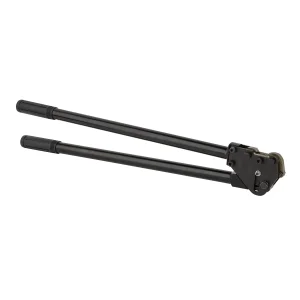
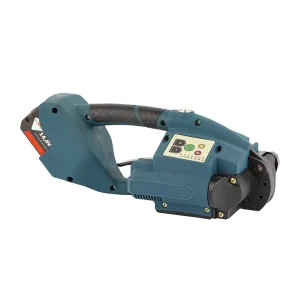
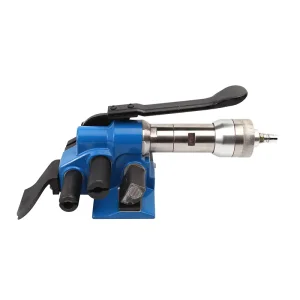
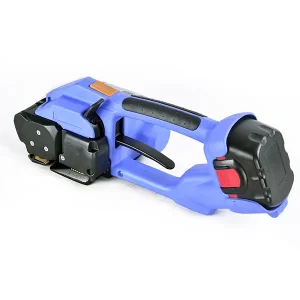
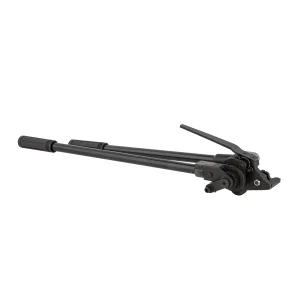
Browse our selection of heavy-duty sealers, ratchet tensioners, and cordless strapping machines built for industrial applications.
Get answers to common technical queries about industrial strapping tool mechanics, maintenance, and setup optimization.
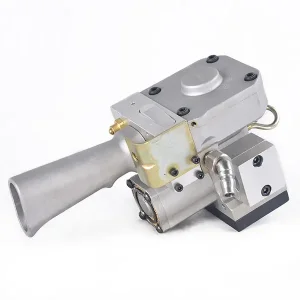
A: Sealless manual tools (e.g., A333) join steel straps by punch-cutting locking interlocking keys directly into the overlapping strap ends, eliminating the cost and inventory of metal seals. Pneumatic tools (e.g., GZD19) use compressed air to achieve high tension forces rapidly and can weld or crimp via pneumatic mechanisms. Pneumatic tools are ideal for high-volume, stationary production lines, while manual sealless tools offer flexibility for on-the-go or off-grid operations.
A: The choice depends on weight, sharp edges, and temperature. Steel strapping is recommended for extremely heavy cargo with sharp edges (like steel beams, pipe bundles, and hot metal castings) due to its cut resistance and high break strength. PET strapping offers high elasticity and impact absorption, making it suitable for loads that settle, shrink, or expand during transport, such as timber, bricks, and paper reels.
A: Battery strapping tools use friction welding. A foot-pad inside the tool vibrates the overlapping plastic straps at high frequencies under tension. This friction creates localized heat that melts the plastic faces. The tool then holds them under pressure for a brief cooling cycle to weld the two straps together, achieving joint efficiency near the strap's maximum tensile capacity.
A: Regular cleaning is key. Over time, plastic debris from PET/PP straps or scale from steel straps can accumulate in the teeth of the tension wheels and cutter blades, causing slippage or uneven cuts. Operators should clean the tool's tooth sections with a wire brush or compressed air daily and apply light machine lubrication according to the manual's maintenance schedule.
 Handpack