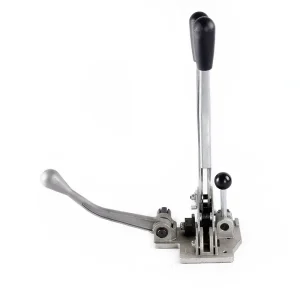
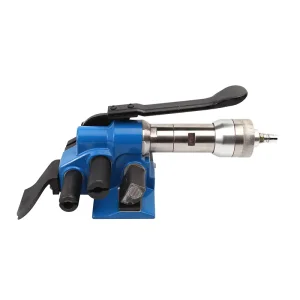
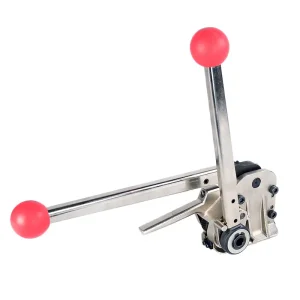
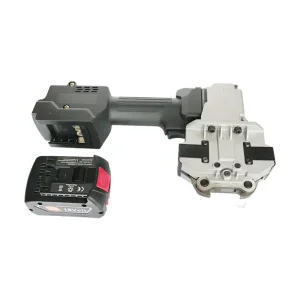
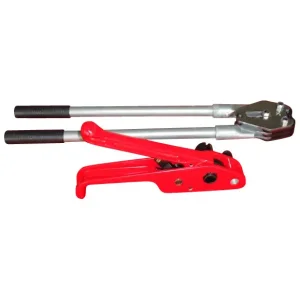
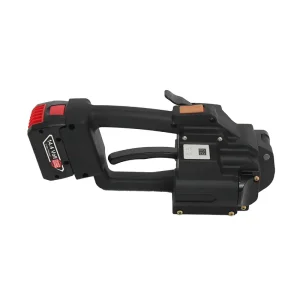
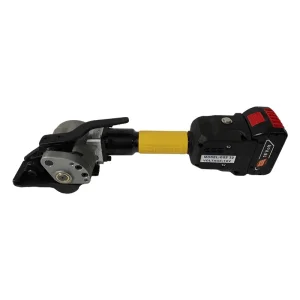
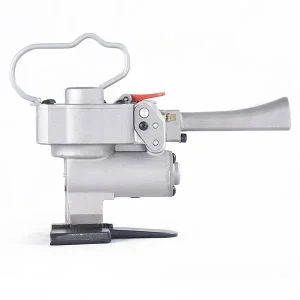
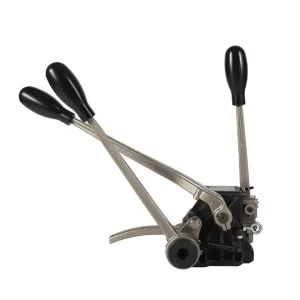
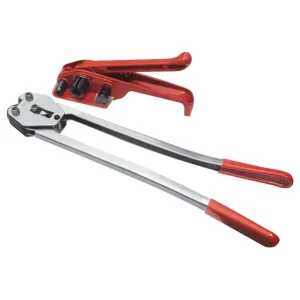
In the modern era of globalized logistics, the demand for high-performance box strapping solutions has transcended basic utility to become a pillar of industrial reliability. As global manufacturers and logistics hubs scale operations, the integrity of a package—from a delicate consumer good to heavy-duty industrial steel coils—relies entirely on the efficiency of the strapping equipment employed.
China has firmly established itself as the epicenter for high-quality packaging machinery manufacturing. The concentration of specialized industrial zones, such as Wenzhou's Tiancheng Industrial Park, creates a hyper-efficient ecosystem. Manufacturers like Handpack leverage economies of scale, advanced CNC (Computerized Numerical Control) production lines, and decades of R&D investment to deliver tools that rival Western counterparts in performance while providing superior cost-efficiency.
Key Competitive Advantages:
Moving towards IoT-integrated battery-operated tools that provide data on tension cycles, maintenance alerts, and operational efficiency.
Customized strapping solutions for industries ranging from paper and textile to heavy aluminum and steel, ensuring optimized cargo securing for international shipping.
Design focus on maximizing the recyclability of PET and PP straps, reducing waste through precision cutting tools that minimize material overhang.
Q1: Why choose China-made strapping tools over local alternatives?
A1: Chinese manufacturers benefit from deep industrial clusters that optimize cost and innovation simultaneously. Companies like Handpack utilize CNC technology to ensure high-precision output that exceeds most standard quality benchmarks.
Q2: What is the primary difference between PP and PET strapping tools?
A2: PP (Polypropylene) is generally used for lighter loads and is more cost-effective. PET (Polyester) has higher tensile strength, comparable to steel in some applications, making it ideal for heavy-duty, long-distance transportation.
Q3: How do I ensure my supplier is reputable?
A3: Always verify ISO9001 certifications, check for CE compliance, and assess their technical documentation capabilities. An experienced supplier should provide clear R&D history and demonstrate a commitment to after-sales support.
 Handpack