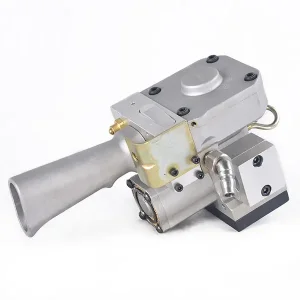
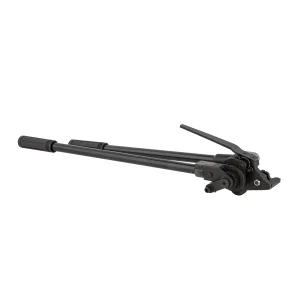
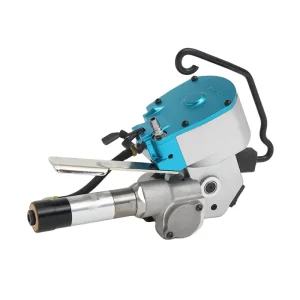
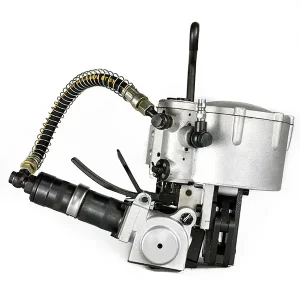
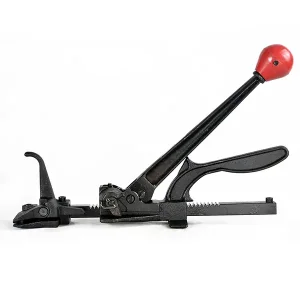
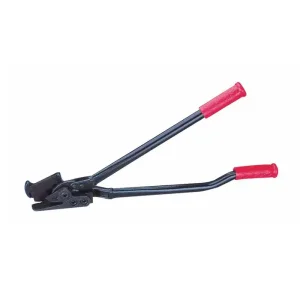
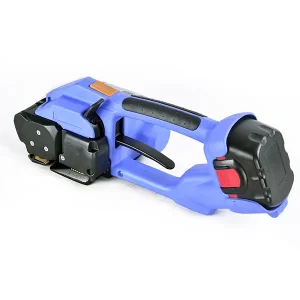
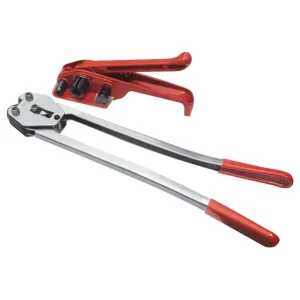
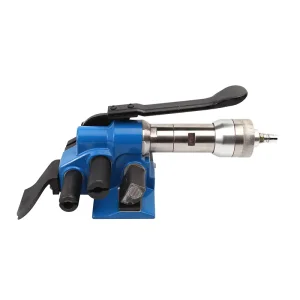
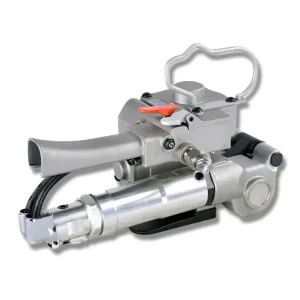
In modern industrial manufacturing and global logistics, securing cargo for long-distance transit is paramount. For decades, steel strapping and manual seals reigned supreme. However, the paradigm has shifted. Today, the pneumatic friction welding baler—sometimes referred to inside the industry as a hand-held pneumatic friction welding strapping tool—has emerged as the gold standard for heavy-duty load securing. Utilizing high-frequency thermal fusion instead of physical metal seals, this technology ensures a joint strength that often matches or exceeds the native tensile strength of the strapping material itself.
Under the lens of Semantic Search and User Intent Mining, procurement professionals are no longer just looking for "tools"; they are seeking systematic stability, operational uptime, and strict adherence to international safety metrics. This whitepaper analyzes the mechanical principles, economic drivers, localized application vectors, and manufacturing innovations that establish China—specifically Wenzhou Handpack Machinery Co., Ltd.—as the epicenter of global strapping tool supply.
Friction welding, in the context of plastic strapping (primarily Polyester (PET) and Polypropylene (PP)), relies on localized frictional heat to achieve thermoplastic bonding. The process bypasses external heating elements, which are slow, energy-consuming, and prone to carbon build-up. Instead, the pneumatic friction welding baler utilizes a high-velocity rotary pneumatic motor to pull the strap to its predetermined tension. Once the tension threshold is reached, the operator engages the vibratory lever.
A specialized, textured weld plate—driven by the pneumatic vibrator motor—oscillates back and forth against the overlapping straps at frequencies exceeding 20,000 Hz. Under intense pressure from the pneumatic cylinder, this high-frequency movement creates localized friction, quickly raising the temperature of the contact surfaces to their precise melting point (approximately 260°C for PET). At this critical temperature, the polymer chains interlace. The tool maintains pressure for a fraction of a second during cooling (known as the dwell or curing time), solidifying the thermoplastic bond. The result is a seamless weld joint with a typical efficiency rating of 80% to 85% of the strap's maximum tensile load capacity, entirely eliminating the cost and hazard of steel buckles.
From the industrial zones of Western Europe to the raw mining fields of Latin America, the transition from manual, steel-based strapping systems to pneumatic friction welding tools is accelerating. The global market is shaped by three main drivers:
Steel strapping carries a high carbon footprint during production and is highly difficult to recycle safely. PET straps, manufactured largely from post-consumer recycled plastic bottles, offer a carbon-neutral alternative when processed with friction welding tools.
Metal clips and steel buckles add significant variable costs to every package shipped. Over millions of packaging cycles, the operational savings achieved by eliminating metal seals completely covers the capital investment of pneumatic strapping units.
Traditional manual tensioning of steel strapping exposes operators to recoil lacerations and repetitive motion strain. Pneumatic friction tools reduce operator physical input to simple button pushes, dramatically lowering warehouse injury rates.
Wenzhou Handpack Machinery Co., Ltd. is a specialized, professional handheld packaging machinery manufacturer. Established on March 14, 2008, and located in Tiancheng Industrial Park, Yueqing City, Wenzhou, our manufacturing base spans an expansive 12,535 square meters. We stand today as one of the largest and most advanced professional handheld packaging machinery manufacturers in China.
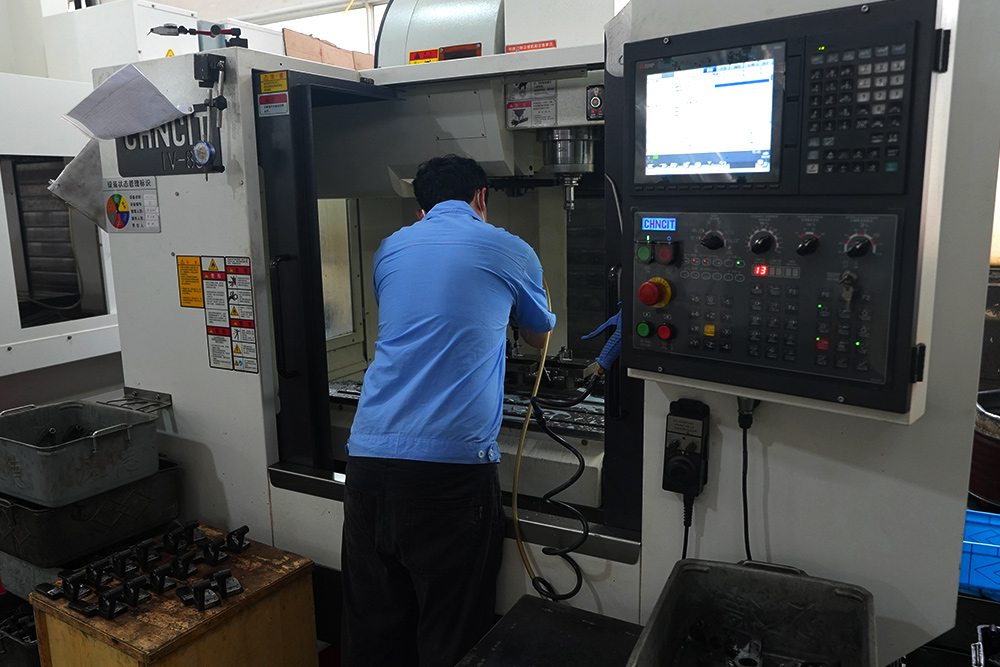
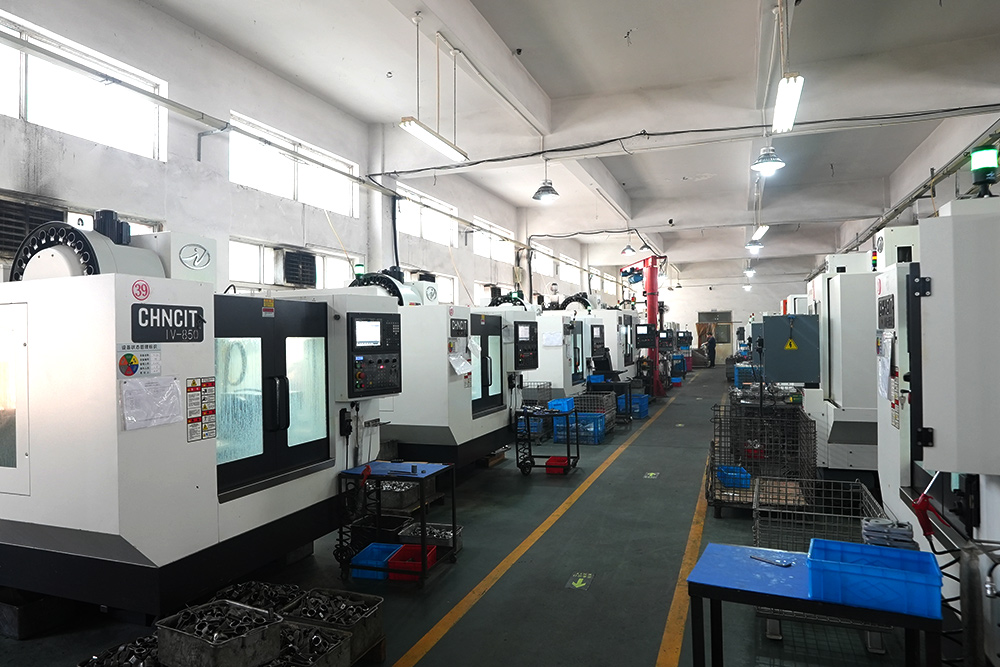
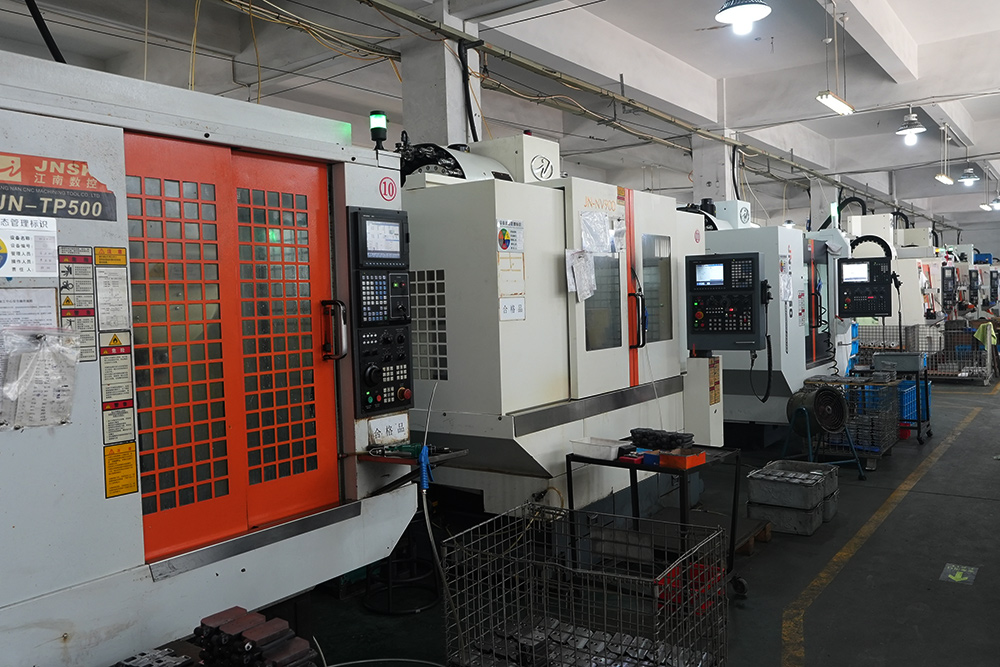
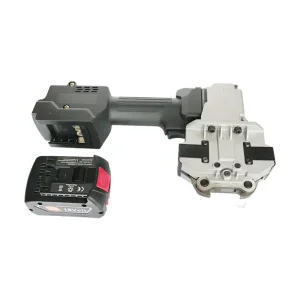
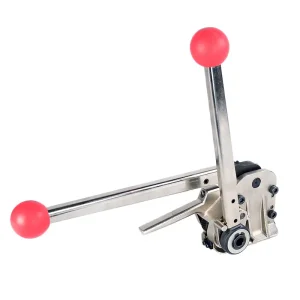
Our company specializes in the development, manufacturing, and sales of handheld strapping machines for various packaging belts, including high-tensile PET, PP, and steel bands. We utilize advanced process technology, complete quality control, and testing facilities. Crucially, we use high-precision CNC (computerized numerical control) equipment throughout our production line, guaranteeing consistent part-to-part tolerances, robust pressure seals, and reliability in intensive industrial cycles.
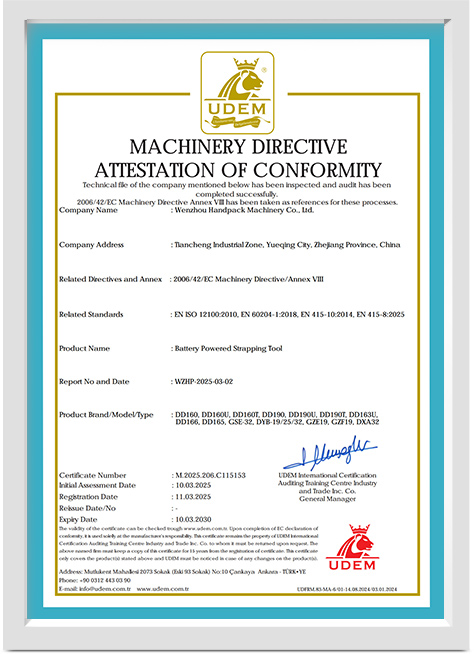
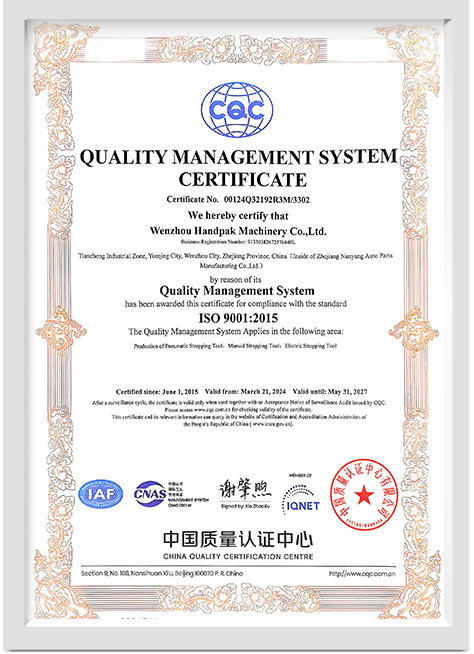
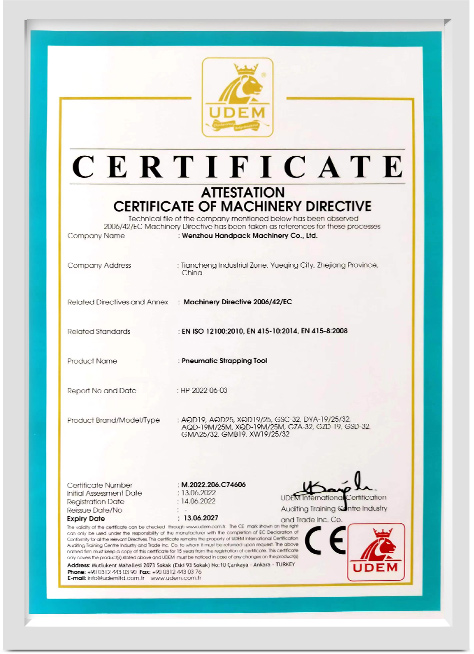
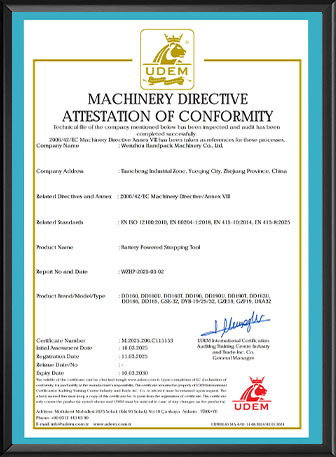
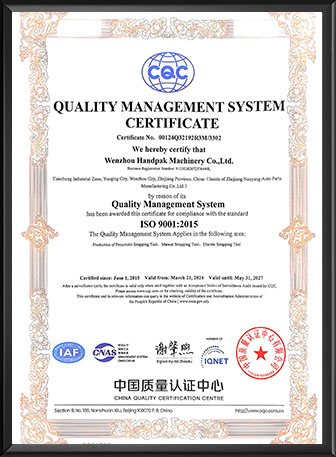
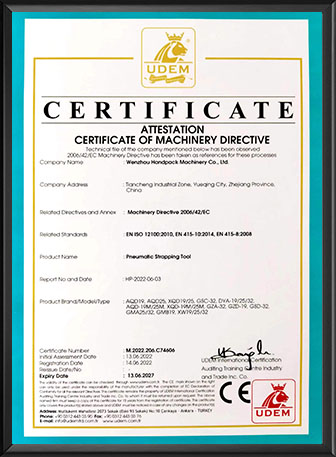
Adhering strictly to standard industrial compliance systems, Handpack operates under the ISO9001 international quality management system, and all standard exports carry European CE safety certifications.
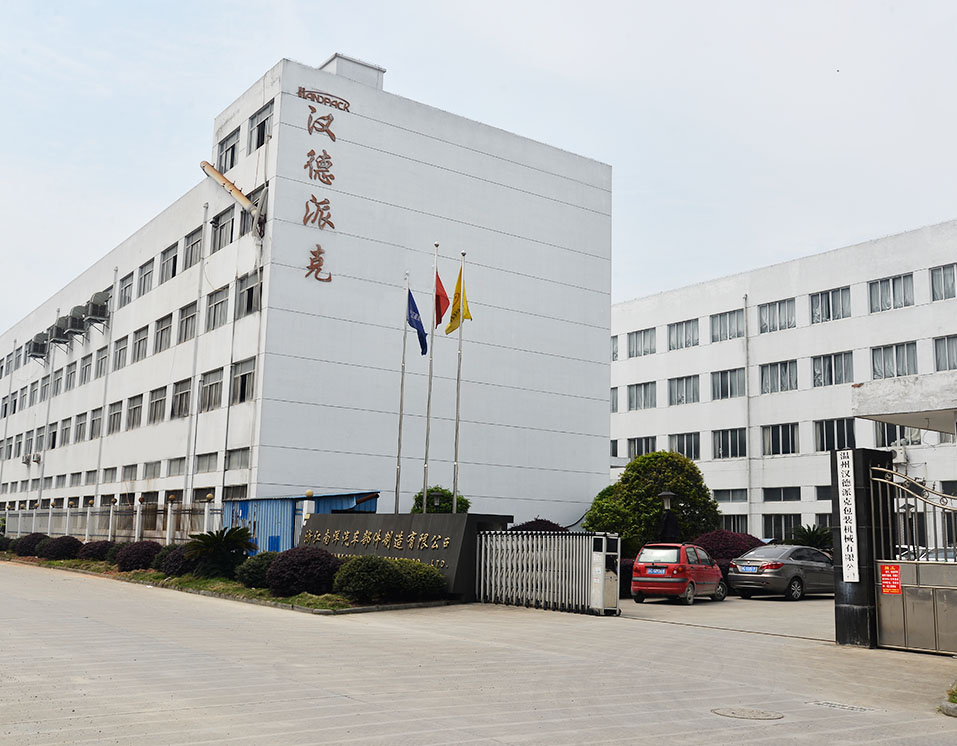
Helping enterprises take off with every bit of strength. We optimize the physical parameters of logistics, reducing losses through heavy securement.
Honesty forever, trust in the future. We provide clear, verifiable data sheets, testing reports, and alloy specifications to our procurement partners.
Pursue value, create value, realize value. Our pricing structures deliver structural margins to distributors and rapid ROI to global end-users.
Innovation, Integrity, Pragmatism, and Efficiency. Continuous improvement in pneumatic motor efficiency to function under lower air pressure requirements.
Handpack has the right to import and export, and has passed ISO9001 quality management system certification, with all core equipment achieving the CE certification standards in Europe. We prioritize every single variable of our manufacturing process, from machining center components to assembly precision.
By employing high-speed horizontal machining centers and multi-axis CNC lathes, we control the micro-tolerances of the vibrator cylinders and friction plates within 0.01mm. This degree of engineering precision ensures that when air enters the pneumatic motor, friction heat is generated instantly, without air leakage or tool vibration fatigue.
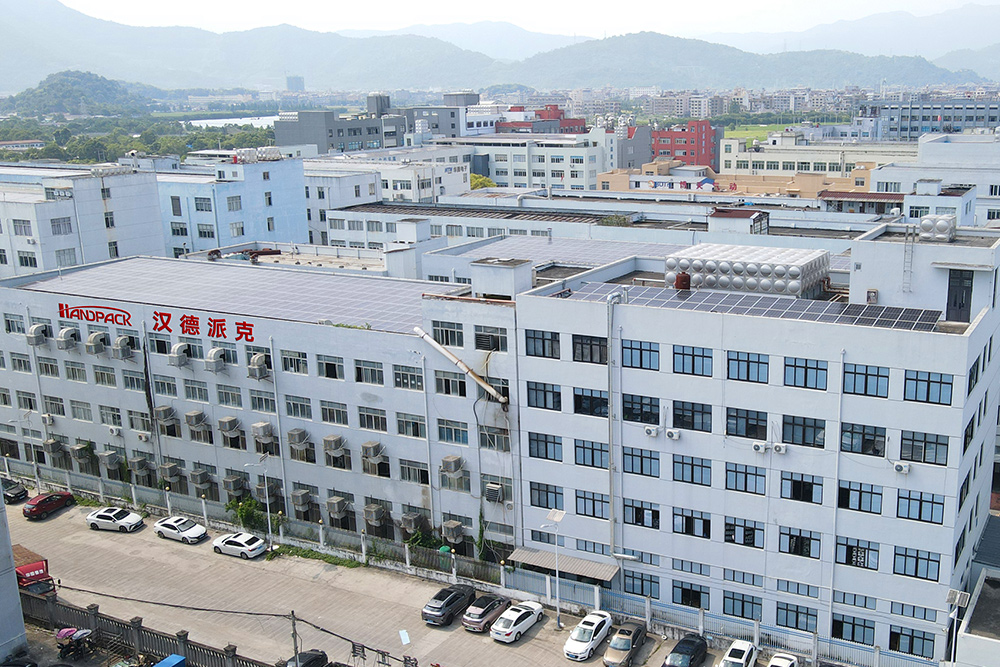
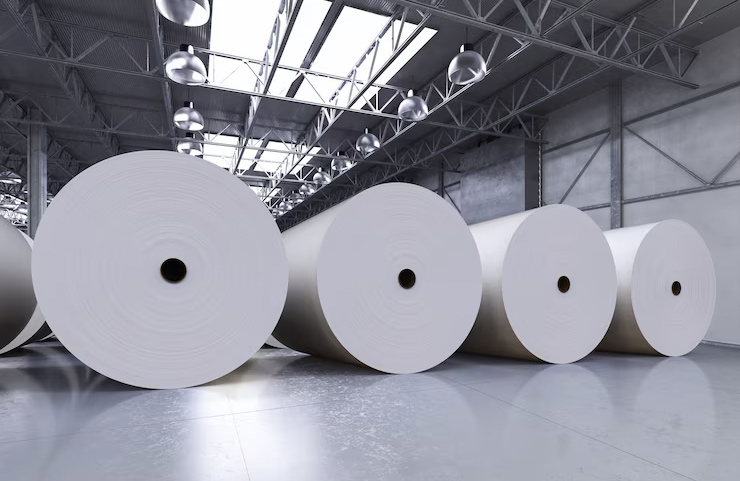
Handheld packaging machines are essential tools for securing heavy paper rolls, large box pallets, and compressed waste paper blocks. The constant tension profile preserves paper edge integrity during long transit.
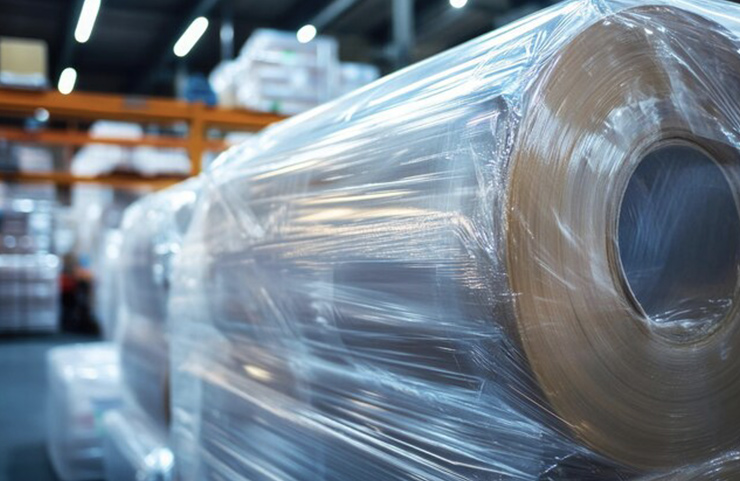
Friction-welded joints provide stable retention for hot, abrasive, and highly heavy aluminum ingots, extrusions, and coils. Eliminating physical metal clips prevents damage to surface finishes.
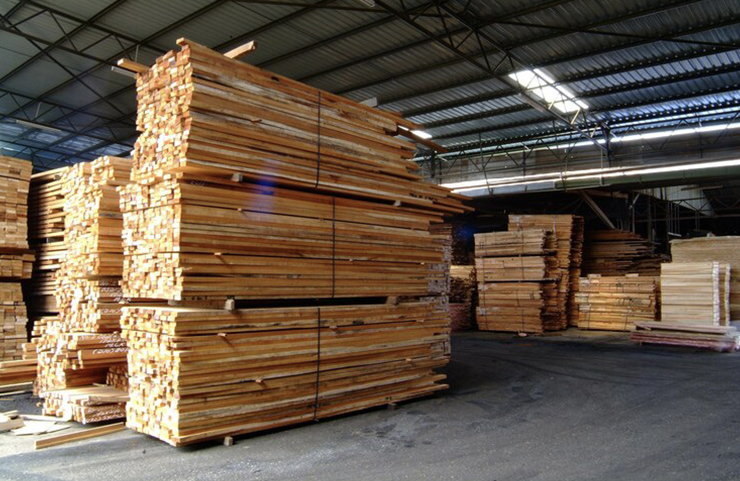
Securing rough timber, wood panels, and pallets. As wood shrinks during drying, the elastic recovery of heavy-duty PET straps secured by pneumatic friction balers prevents cargo relaxation.

Pneumatic strapping serves as a critical structural reinforcement for high-weight machinery boxed inside wood crates. This ensures robust outer security, replacing steel nails which could shear off under lateral load shifts.

Securing natural stone slabs, ceramic tiles, and heavy building blocks. The pneumatic friction welding baler delivers massive tension, preventing individual slabs from shifting and fracturing inside shipping containers.
For corporate purchasing agents representing heavy industries, procurement is not merely an acquisition event; it is an exercise in risk mitigation. When analyzing pneumatic friction welding balers from Chinese suppliers, look for the following engineering indicators:
The core of any pneumatic tool is the cylinder body. Low-grade suppliers utilize cast-aluminum cylinders that develop internal micro-fissures within 10,000 cycles under 0.8 MPa pressure. Look for manufacturers like Handpack who utilize CNC-milled aerospace-grade alloys to ensure pressure stability over hundreds of thousands of cycles.
Pneumatic friction tools feature three primary wear parts: the welding plate (vibrator tooth), the tension wheel, and the cutting blade. In raw stone or steel mill environments, these parts face rapid degradation. Ask suppliers for exact metallurgy specifications—e.g., hardened carbon-steel compounds—and verify whether the tools allow for tool-less or low-time field replacement to prevent operational bottlenecks.
Pneumatic tools require clean, lubricated air. Sourcing engineers should check if the supplier provides robust guidelines on the deployment of Air Filtration, Regulation, and Lubrication (FRL) units. A supplier with true Expertise and Trustworthiness (E-E-A-T) will guide you through the correct pressure ratings (usually 5 to 7 bars) to prevent motor blowouts.
We utilize ground-breaking innovation and advanced materials, creating structural competitive advantages for both ourselves and our distribution clients.
We prioritize fact-based solutions, delivering detailed pneumatic engineering calculations and resolving real-world packaging failure points.
Ergonomic handle layouts, center-of-gravity balancing, and simple operation patterns built specifically with field operators in mind.
Steady, reliable manufacturing capacity ensures stable lead times, allowing our distribution partners to confidently command local markets.
The industrial strapping landscape is rapidly evolving. We identify three distinct macro trends shaping the next decade of heavy-duty packing:
Future pneumatic balers will integrate digital transducers to monitor actual line pressure, tension, and joint temperature during the weld cycle. This prevents joint failures caused by unexpected drops in compressor line pressures.
Operator fatigue is a key driver of workforce turnover. In high-frequency logistics lines, tools must be as light as possible. R&D centers are replacing heavy iron casings with lightweight magnesium-aluminum alloys, pushing the total weight of pneumatic friction balers below 4.5kg without compromising structural frame strength.
Modern production facilities require multi-material tools. The industry is moving towards smart universal heads capable of switching from PP to PET materials with simple mechanical tool adjustments. This allows one tool to serve dual functions on the packing line.
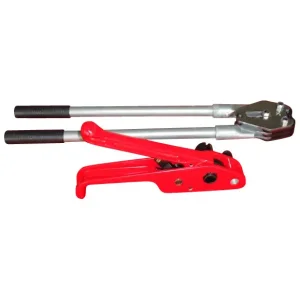
 Handpack