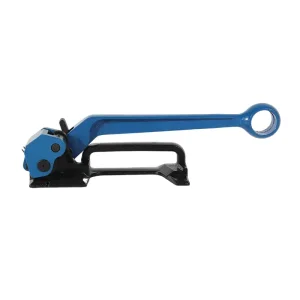
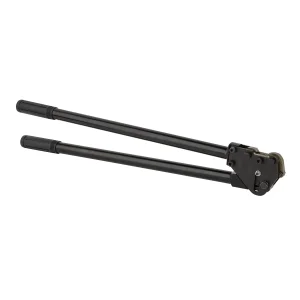
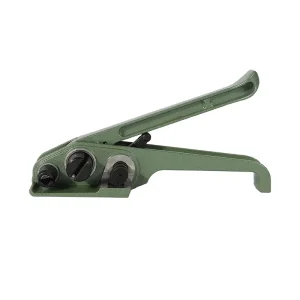
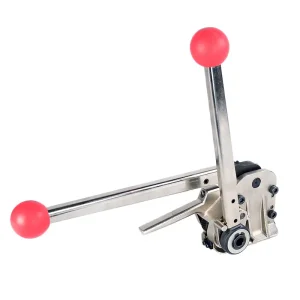
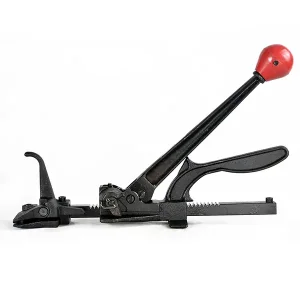
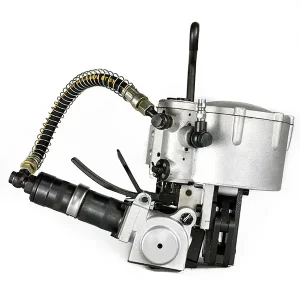
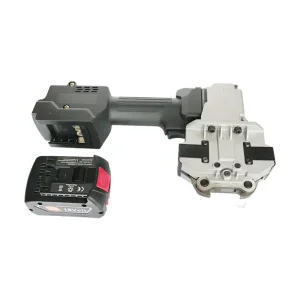
Engineered for absolute tensile reliability, heavy-duty durability, and seamless manual or pneumatic operations.
In the contemporary global logistics, manufacturing, and raw material distribution networks, heavy industry is increasingly reliant on mechanical, pneumatic, and electric industrial banding machines to maintain packaging integrity under extreme distribution conditions. From intermodal maritime cargo transport to high-speed automation lines in metallurgical plants, industrial banding serves as the primary system of load stabilization and structural unitization.
As enterprise-level buyers shift their operations toward intelligent, reliable, and ergonomic tooling, the criteria for selecting manufacturing partners have dramatically transformed. Modern operations demand high-integrity systems that can reliably cycle through thousands of operations under grueling environmental temperatures, dusty mills, and humid shipyard atmospheres without loss of tensioning force or friction-welding consistency. Suppliers must prove they possess advanced machining centers (CNC), verified metallurgical trace records, and full quality compliance portfolios.
Enterprise procurement executives in primary metal refining, pulp and paper processing, and structural timber distribution evaluate equipment vendors based on several critical metrics:
Different industries have disparate physical and environmental constraints. Selecting an industrial banding supplier involves matching technical capability with operational environments:
For the Metallurgical and Structural Steel Industry, structural loads are heavy, hot, and sharply contoured. The strapping tool must be capable of applying high tension forces (e.g., GZA-32 pneumatic combination steel strapping machines) to cold-rolled or hot-rolled structural steel coils. The tensioners and sealers must withstand heat conduction and severe abrasive dust.
For the Pulp, Paper & Corrugated Carton Sector, packaging tension must be applied uniformly without slicing into the structural fiber edges. Operators in high-speed wrapping systems benefit from battery-powered, handheld PP/PET friction weld tools (like the DD160 or DD190 series), which feature highly adjustable digital tension controls and electronic seal time configurations.
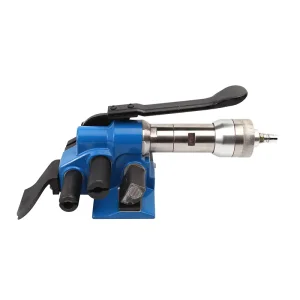
For the Global Timber and Woven Webbing Logistics, composite fiber straps are preferred due to their high impact absorption. Here, high-tension pneumatic cord strap tensioners (like the XW50 series, capable of handling 50mm wide heavy-duty lashing straps) provide the extreme securing forces necessary to anchor massive logs, bulk lumber packs, and industrial machinery onto transport flatbeds.
Exploring the shift from traditional manual mechanical linkages to intelligent IoT-enabled battery and heavy pneumatic systems.
The engineering behind industrial strapping tools is undergoing a silent revolution. While mechanical hand tools remain essential for auxiliary operations and remote fields, smart automated handheld machinery has become the standard in modern warehousing and manufacturing.
Replacing metal seals with friction heat joints. By using high-frequency vibrating motion under pressure, the polymer layers are melted and fused together in under 3 seconds, delivering clean, recyclable, and highly cost-effective joint connections.
Transitioning to brushless DC motors powered by high-capacity lithium-ion batteries. These power plants ensure consistent torque delivery even under low-charge levels, while smart battery management systems prevent overheating and maximize cycle lifetimes.
For extreme strapping forces required by steel mill coils, pneumatic cylinder design has evolved with multi-stage air distribution chambers. This provides maximum clamping torque with lower air pressure requirements and increases wear resistance.
The future technical roadmap targets smart integration. Tools are now being equipped with Bluetooth and RFID interfaces. These systems record critical sealing telemetry: real-time tension levels, seal weld temperature, and total cycles. This data allows QA managers to trace load stability parameters down to the individual package level, establishing full compliance chains.
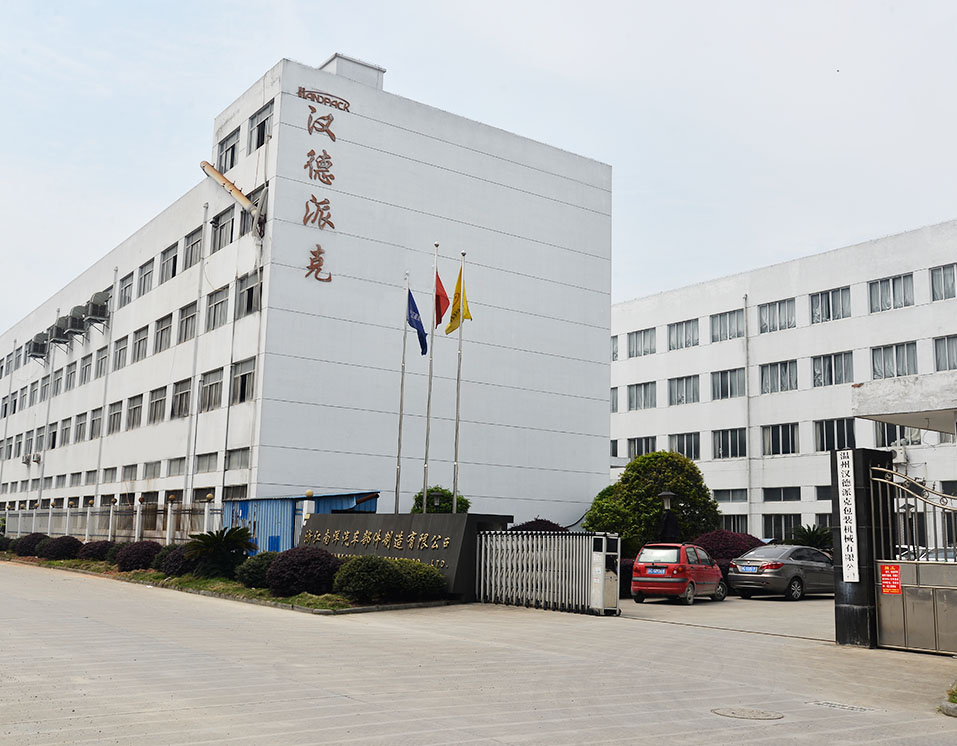
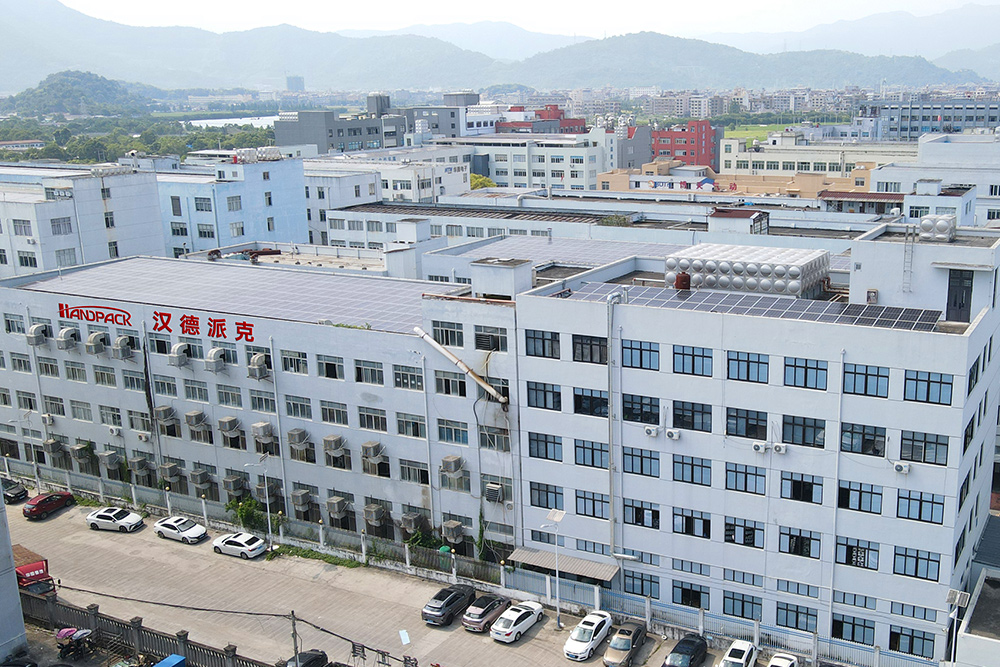
Established on March 14, 2008, Wenzhou Handpack Machinery Co., Ltd. has developed into a professional manufacturer of handheld packaging machinery. Located in the Tiancheng Industrial Park, Yueqing City, Wenzhou, the company spans a modern industrial facility covering 12,535 square meters.
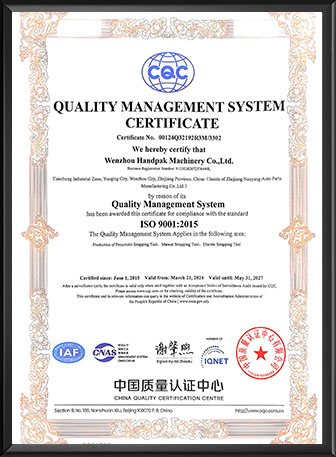
Handpack specializes in the complete design, engineering, and global distribution of advanced strapping systems for PET, PP, and steel bands. Our product catalog spans dozens of models across three main domains: pneumatic, manual, and energy-storage electric strapping machines. Engineered with CNC-machined components and manufactured under strict ISO9001 guidelines, Handpack machinery delivers performance, safety, and operational ergonomics.
With strong research and development capabilities, Handpack continuously brings new solutions to market. Our products are exported to global markets including North America, Europe, Southeast Asia, and South America, earning an international reputation for durability and technical support.
Driving packaging excellence across global supply chains through dedication and modern manufacturing standards.
Helping enterprises take off with every bit of strength by providing secure packaging solutions.
Honesty forever, trust in the future. We build transparent relationships with global partners.
Pursue value, create value, realize value. Every design improvement targets buyer ROI.
Innovation, Integrity, Pragmatism, and Efficiency. Continuous improvement in tooling design.
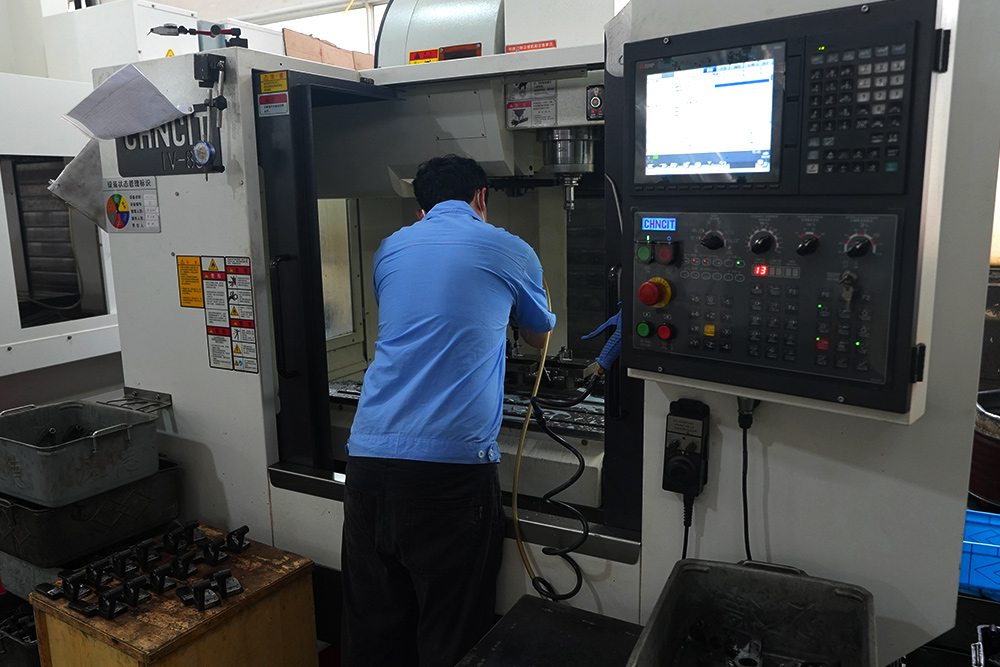
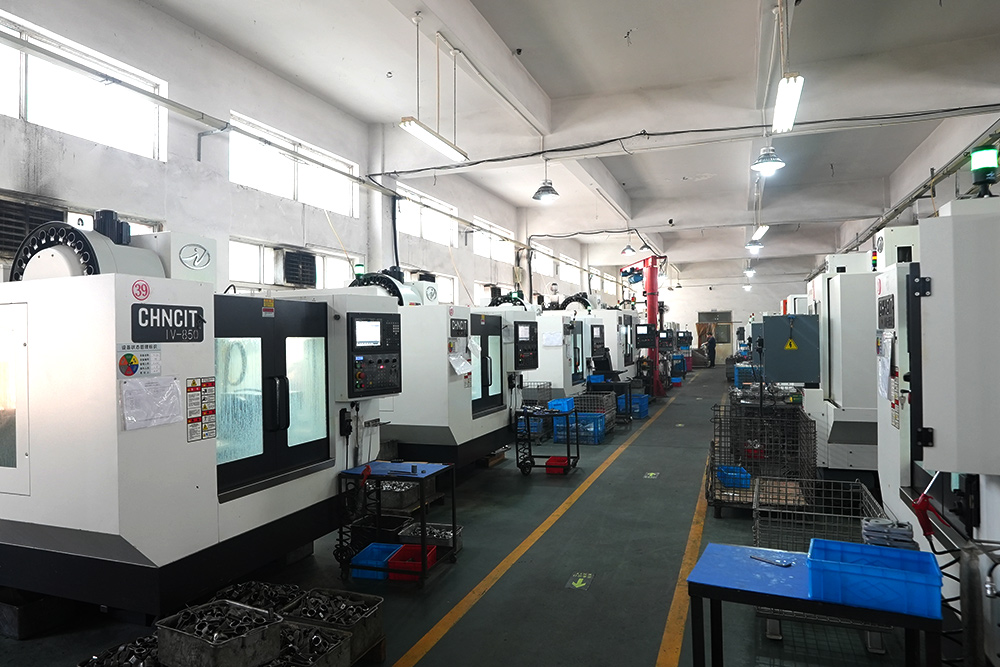
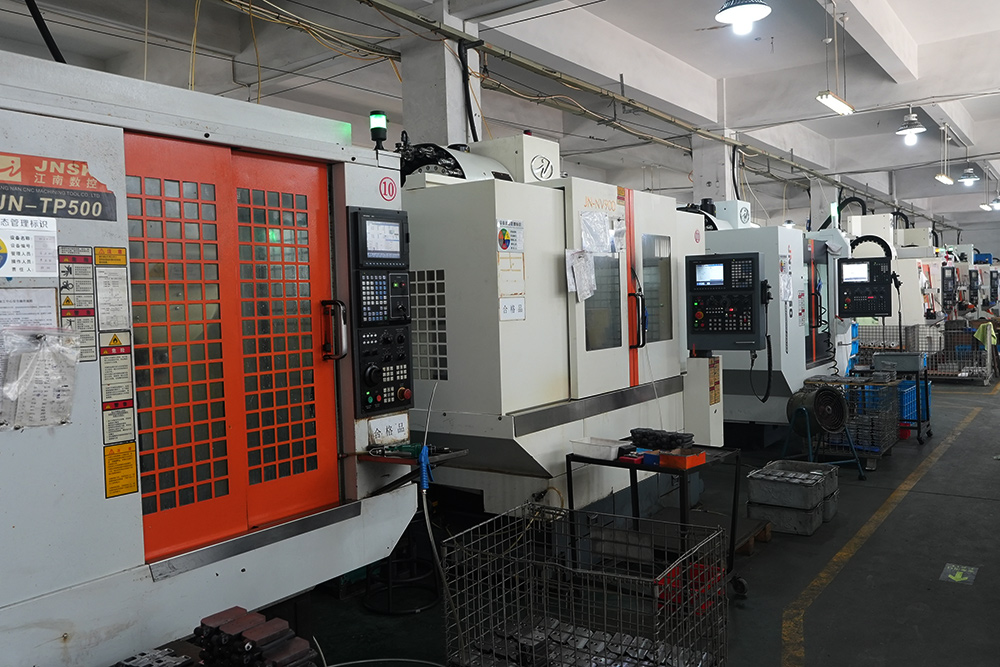
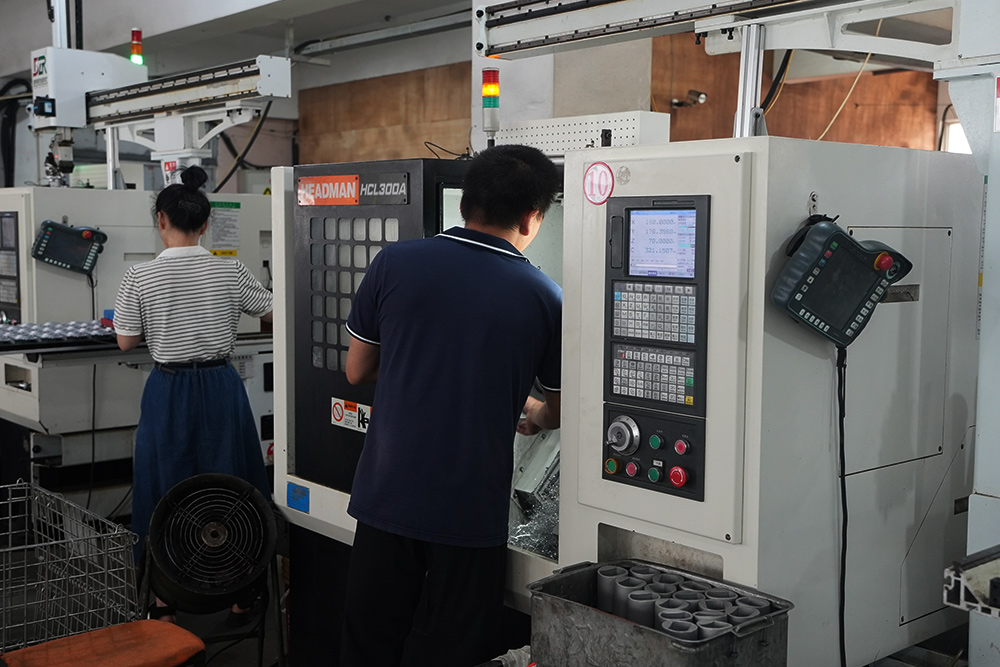
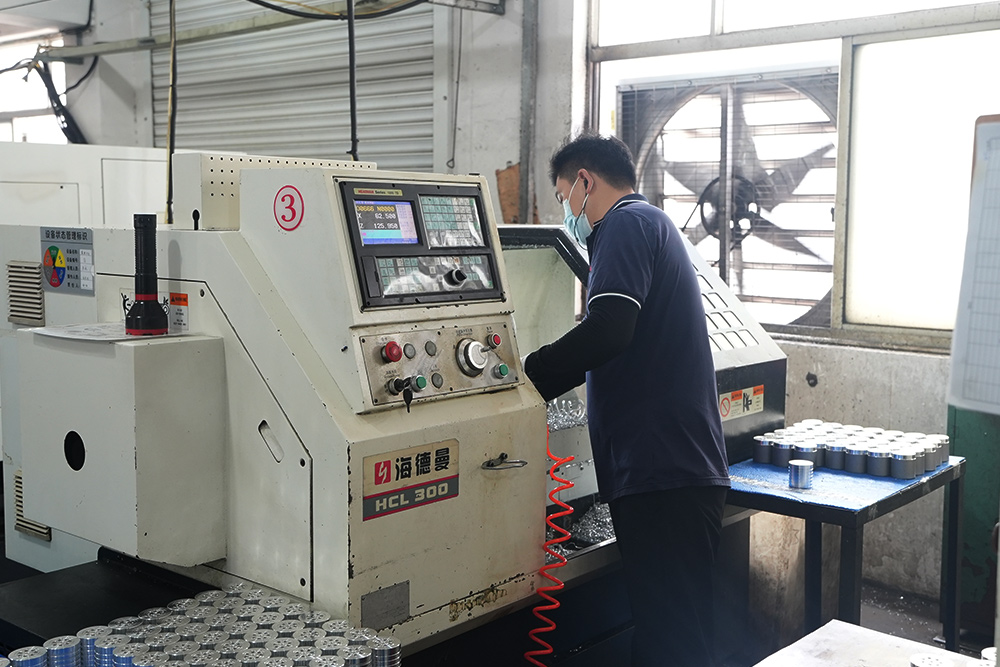
Using advanced CNC machinery to ensure tight dimensional tolerances and mechanical reliability.
Handpack prioritizes every aspect of our manufacturing process. We utilize computerized numerical control (CNC) machining centers to produce key internal parts, including tension wheels, cutter blades, and vibrating friction welding plates.
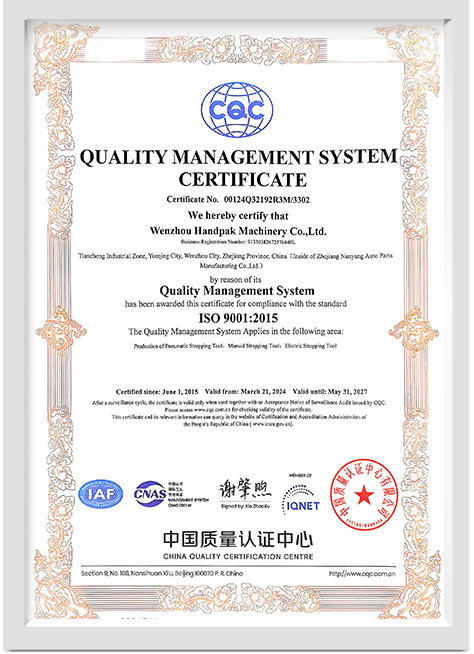
Operating under strict ISO9001 guidelines, we implement multi-stage quality control checks at raw material entry, processing, and assembly stages. Every tool is subjected to physical drop tests, electrical insulation checks, and tensile strain profiling before dispatch.
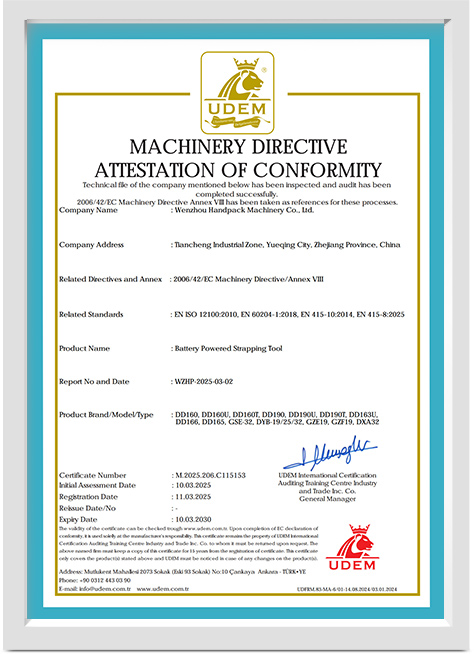
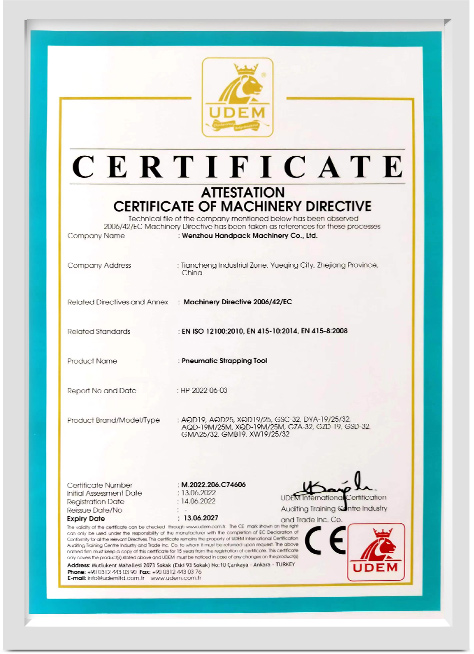
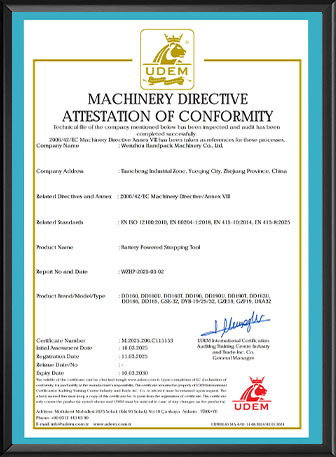
Handpack tools conform to international CE product regulations and meet stringent European standards.
From construction materials to metal coils, Handpack tools deliver the required tension and security across key sectors.
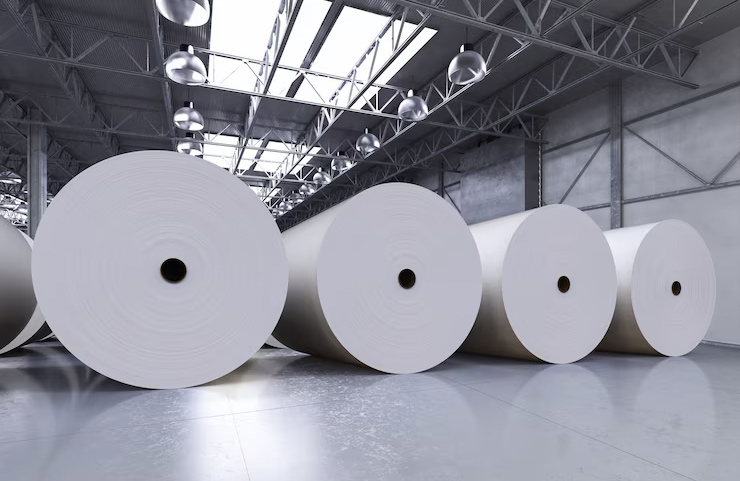
Essential for securing paper rolls, boxing corrugated cardboards, and strapping compressed recycled paper bales for transport.
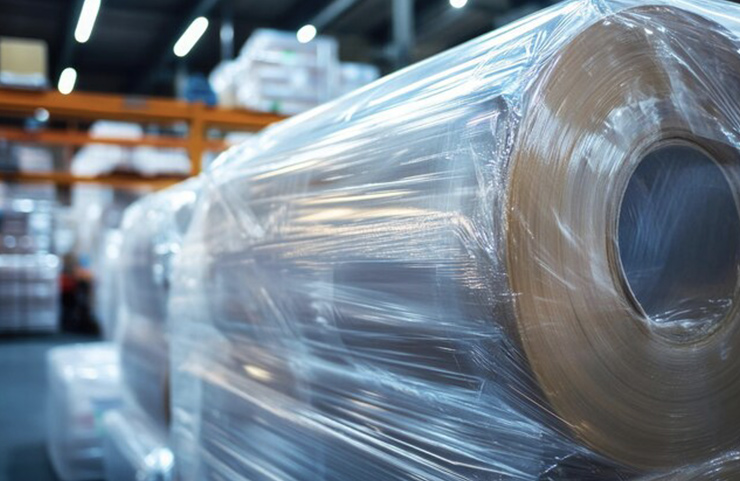
Used to bundle heavy aluminum profiles, coils, and ingots, preventing shift-induced damage in shipping yards.
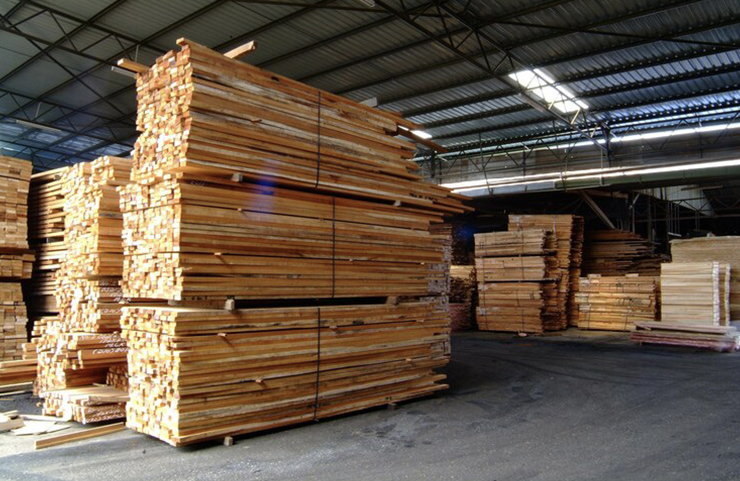
Maintains secure holding tension on shifting wood planks, composite panels, and structural timber during logistics.
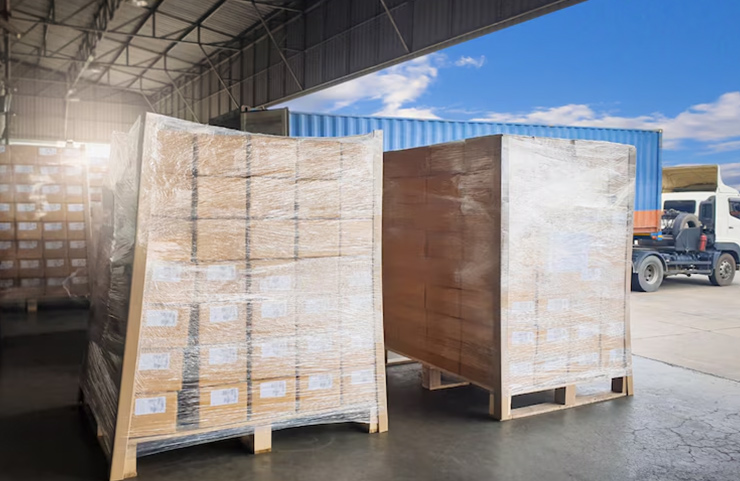
Works in tandem with traditional fastners to reinforce heavy wooden crates and export containers, safeguarding valuable machinery.
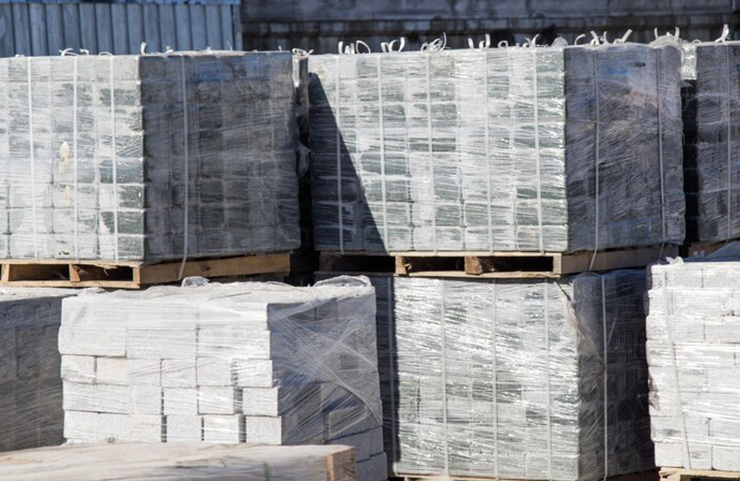
Applies high-tension secures on marble, granite slabs, and structural stones, preventing fractures caused by friction.
For global operations, purchasing high-performance tools is only half the battle. Reliability relies on accessible technical support, timely spare parts distribution, and compliance documentation. Handpack has established a global distributor network designed to minimize downtime for industrial enterprises.
Wear-and-tear components, including cutting knives, tension rollers, and welding pads, are stocked in regional hubs. This ensures parts can be delivered quickly, minimizing production downtime.
All import documentation—including CE certificates, ISO declarations, and certificates of origin—is prepared by our team. This streamlines customs clearance and ensures regulatory compliance.
Get professional answers about selecting, operating, and maintaining industrial strapping machinery.
Pneumatic tools are powered by compressed air, providing high tension and consistent operation, making them suitable for stationary production lines. Battery-powered tools are highly portable and run on lithium-ion batteries, allowing operators to move freely around shipping yards and warehouses without air hoses.
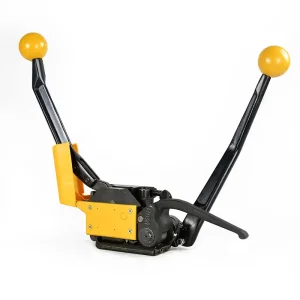
Sealless tools (such as the A333) lock the steel strap layers together using a series of nested die punches. This creates an interlocking joint, eliminating the need for separate metal buckles. This design lowers consumable costs and simplifies the packaging process.
Yes, PET strapping can replace steel for many heavy loads. PET offers high tension retention and shock absorption. However, for extremely heavy, hot, or sharp loads (like structural steel coils or heavy machinery), steel strapping remains the industry standard.
Regularly clean debris from the tension wheel and feed wheel using a steel wire brush. Check for wear on the gripping teeth and cutting blades, and ensure proper alignment of the strap feed. Pneumatic systems should be lubricated regularly with pneumatic oil.
Friction welding uses mechanical vibration to generate localized heat, fusing polymer strap layers (PP/PET) together. The resulting weld joint provides high strength and is highly resistant to moisture, UV rays, and extreme outdoor storage temperatures.
The width depends on the load weight and target tensile strength. Light parcels use 9-16mm strapping. Heavy timber packs, paper rolls, and brick pallets require 19mm systems. Extreme steel coils or large stone blocks require high-capacity 25mm or 32mm strapping.
Premium pneumatic, electric, and manual combinations designed to optimize packaging and logistics throughput.
 Handpack